Jay pressnell
Jay Pressnell is an artist and educator whose multidisciplinary practice explores storytelling, history and community. Working across painting, animation, design, and immersive digital technologies including VR and AR, he stimulates engaging works both personally and with his students, preserving and bringing stories to life.Painting & Commissioned Work
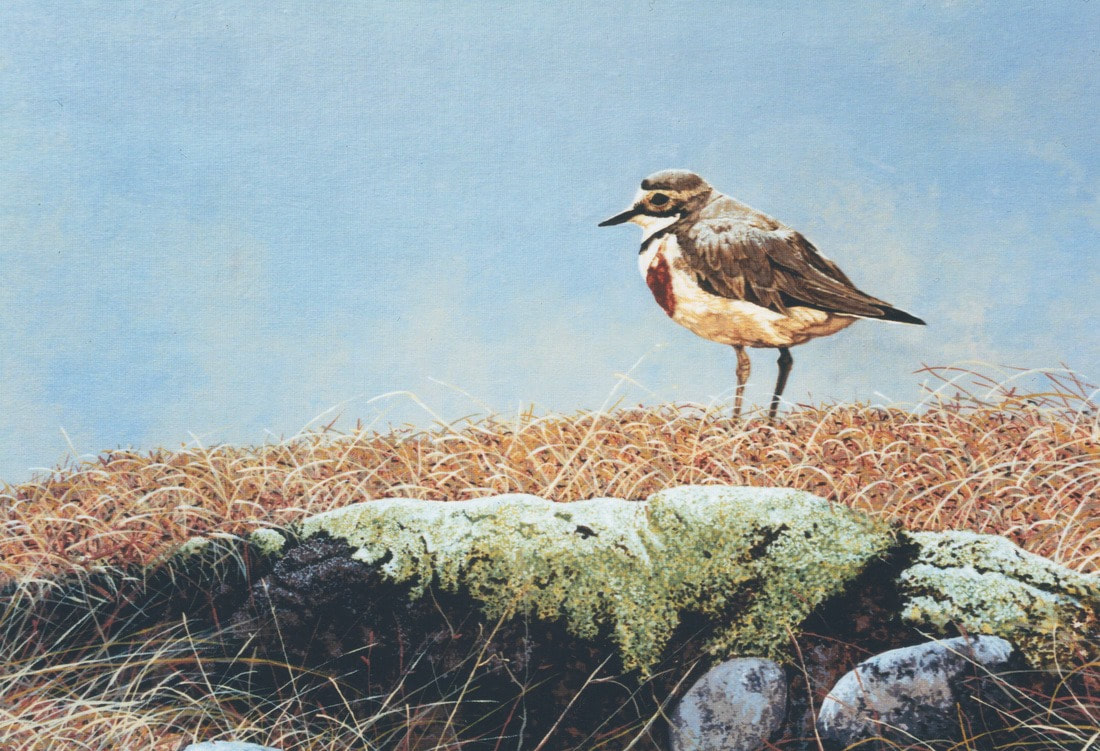
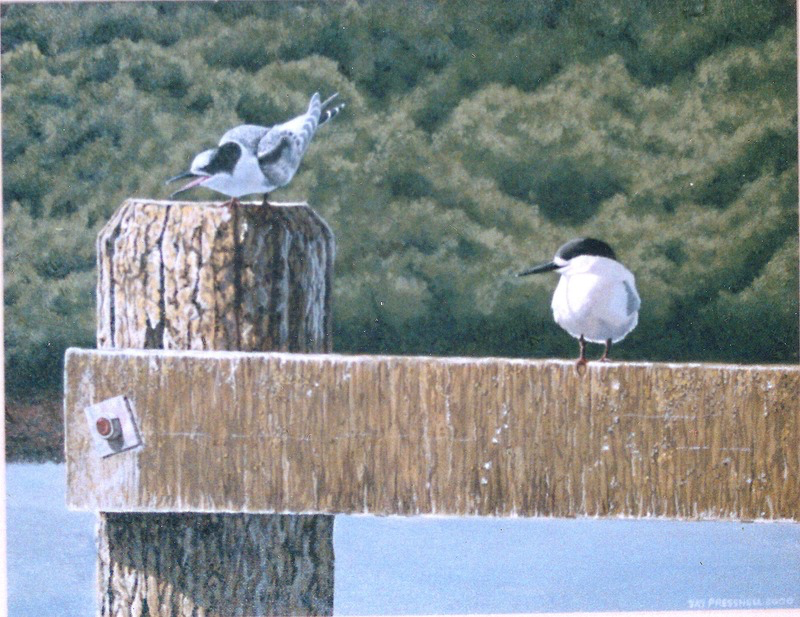
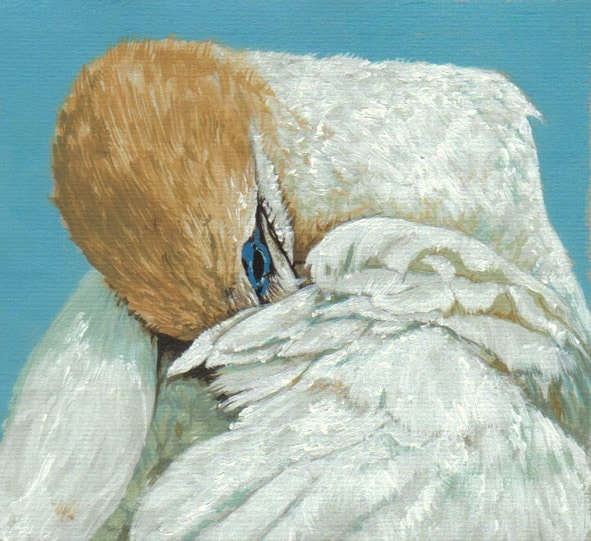
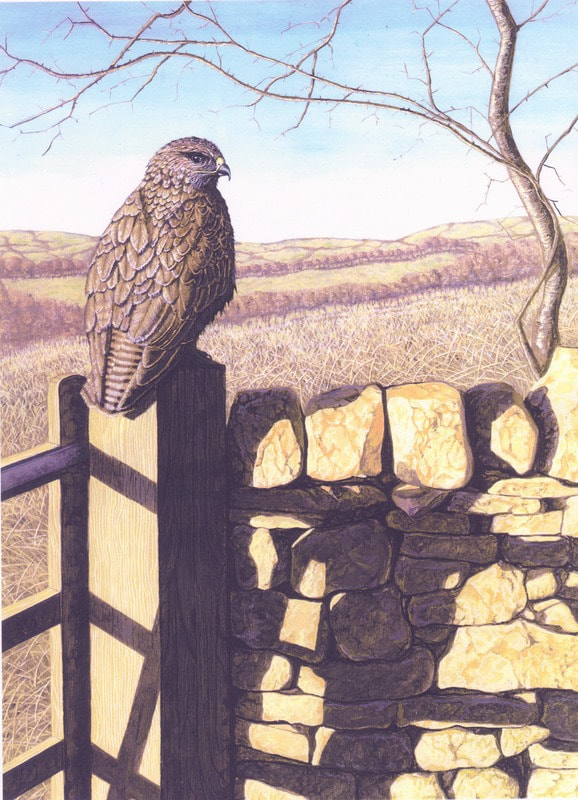
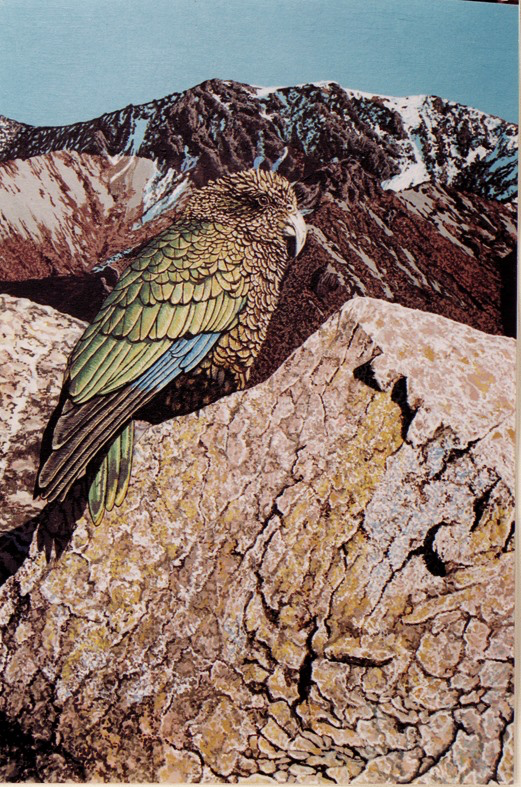
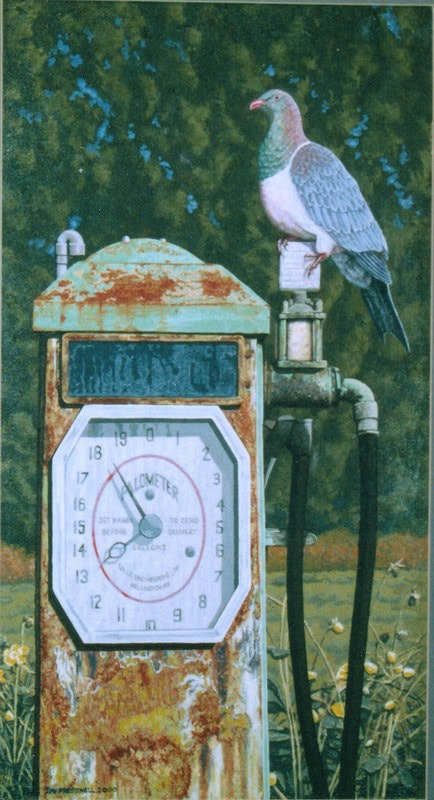
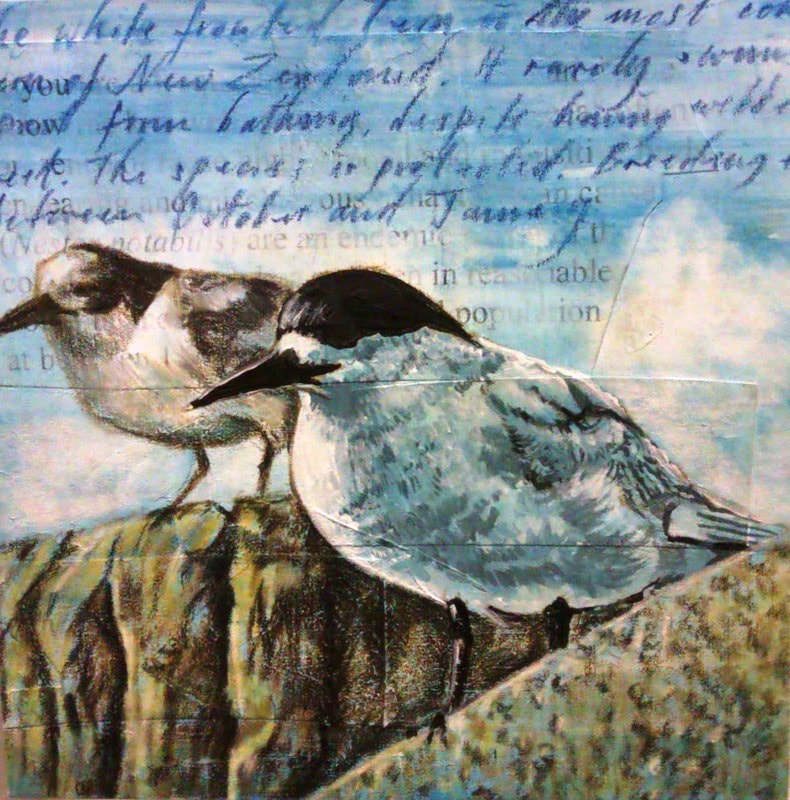
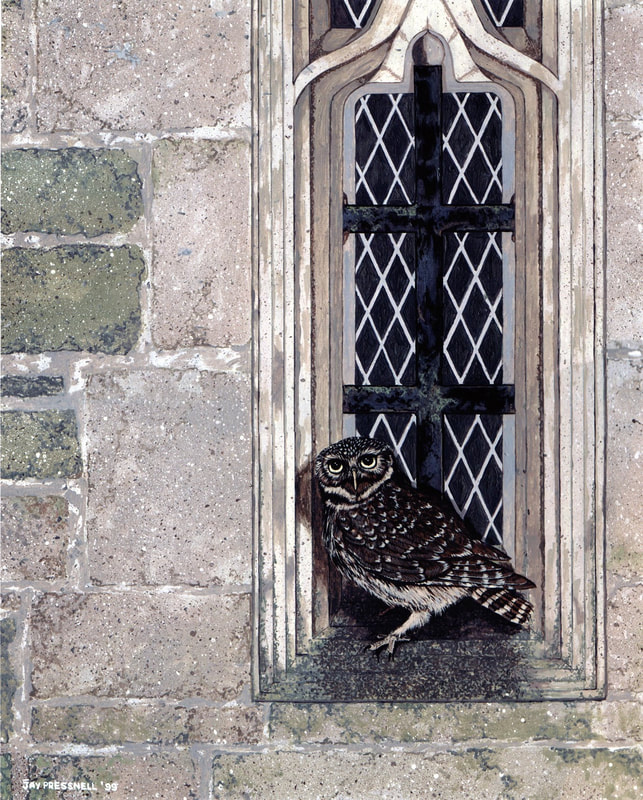
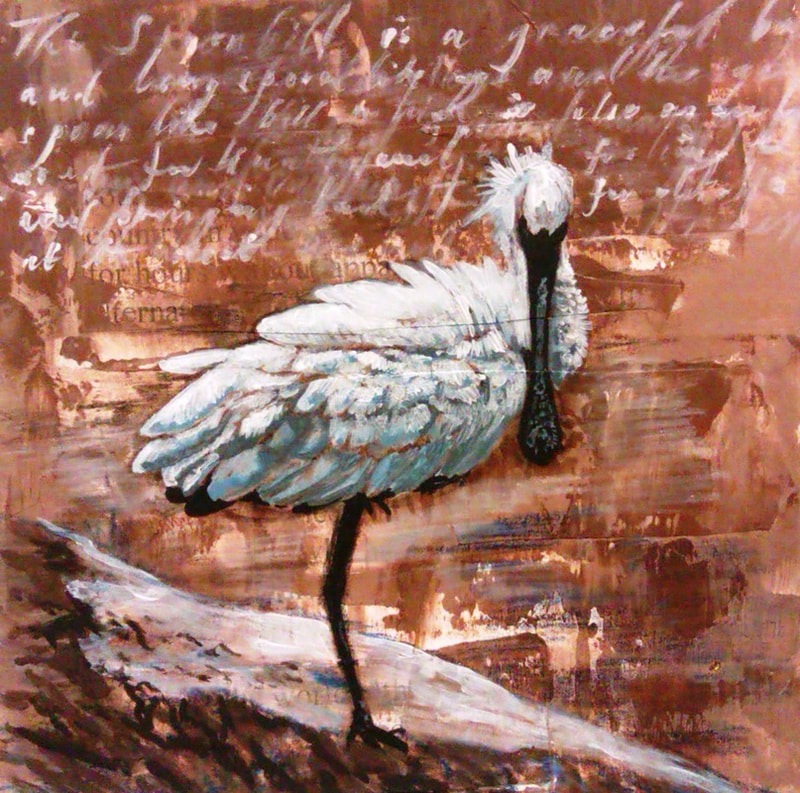
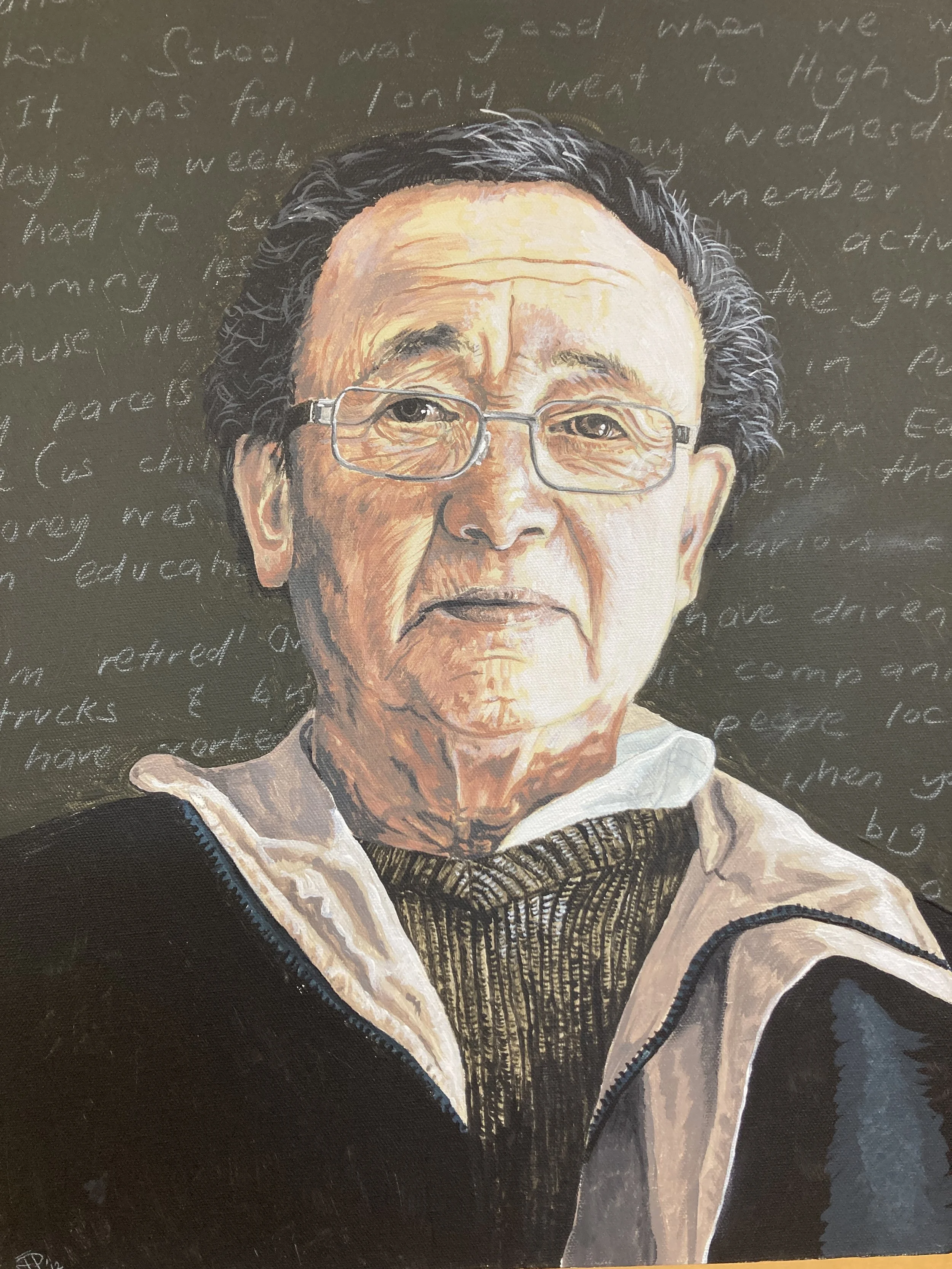
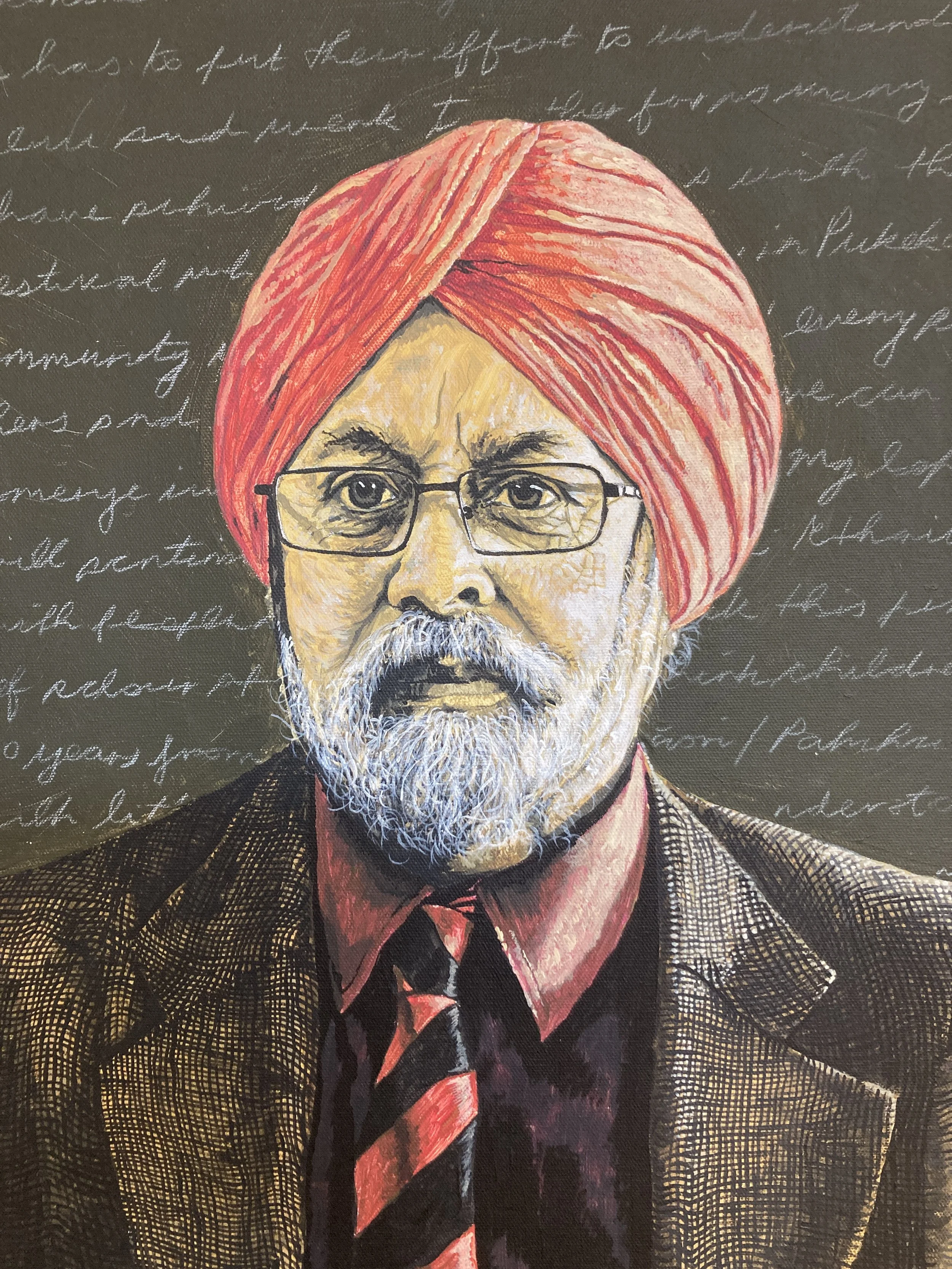
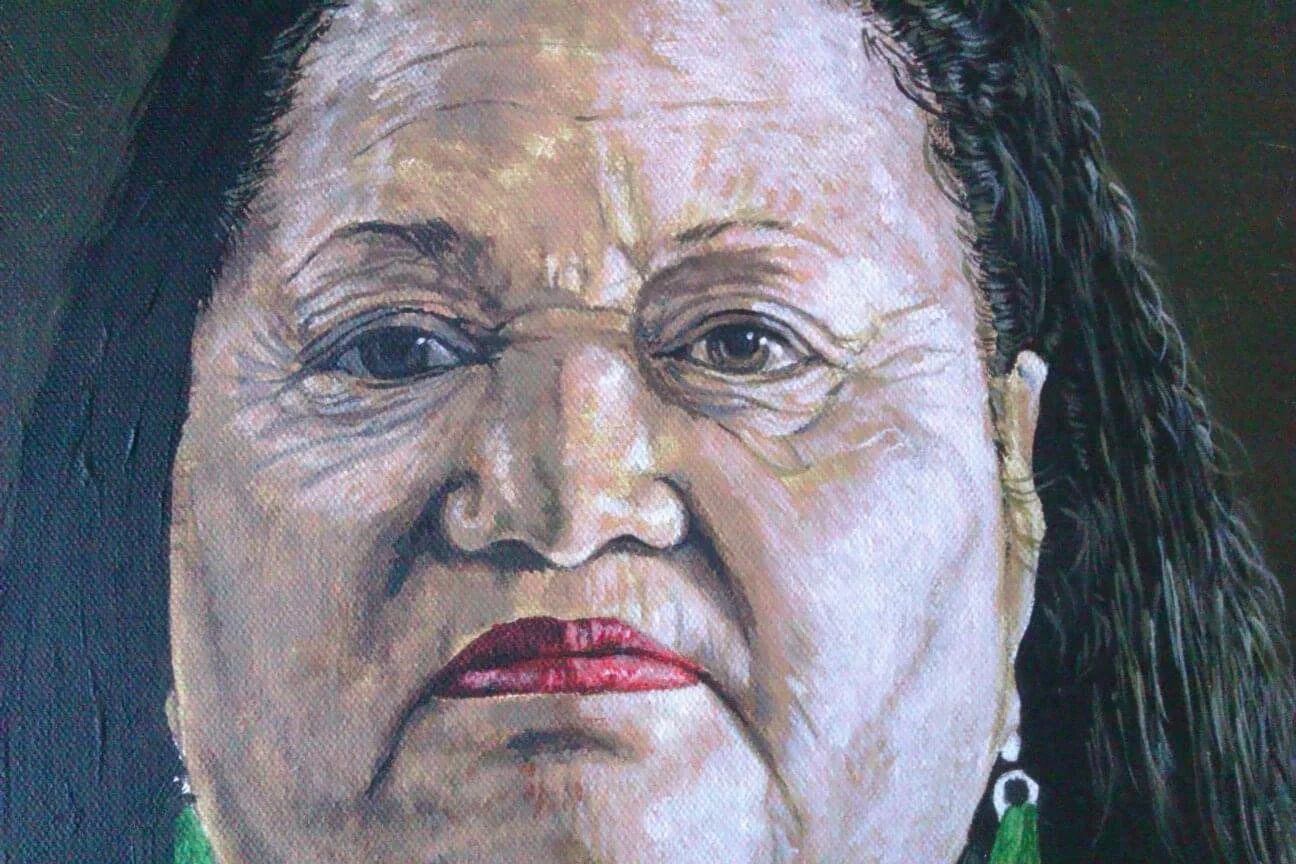
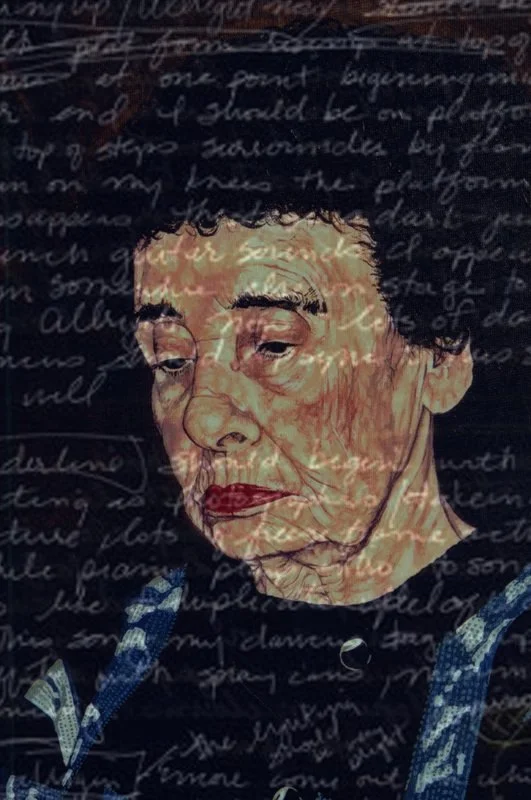
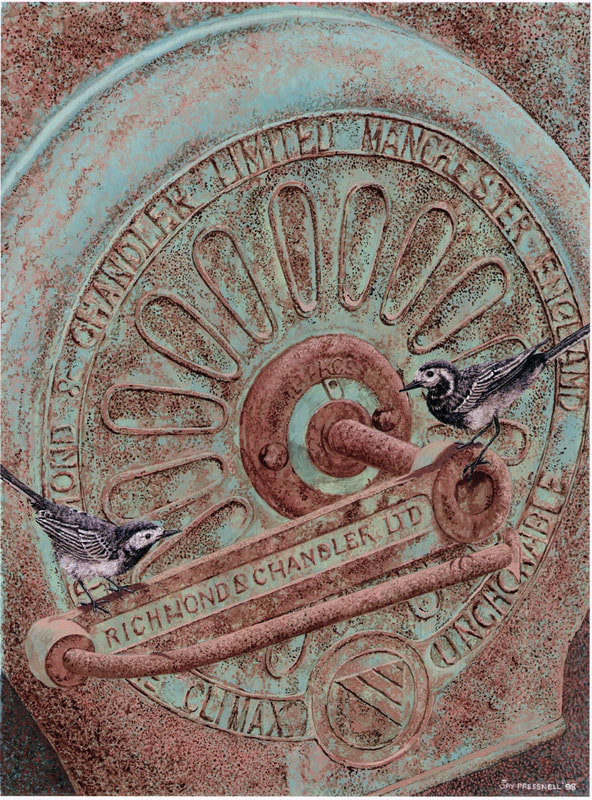
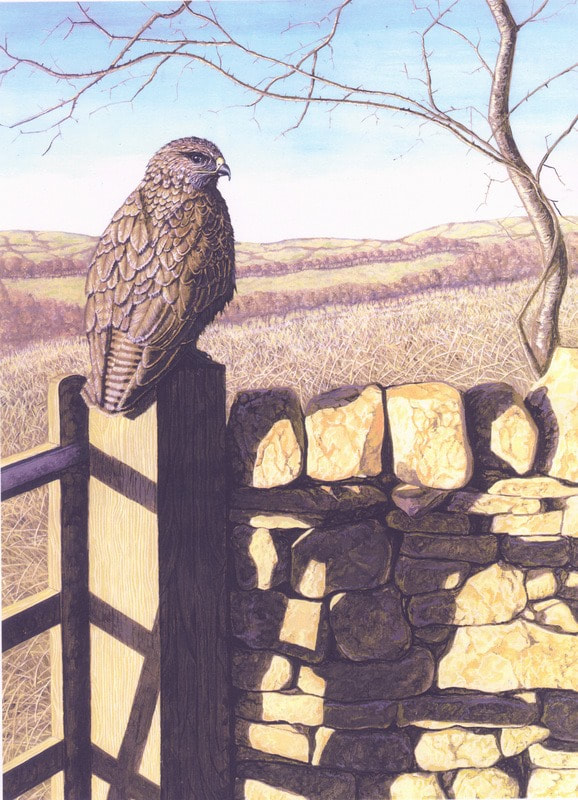
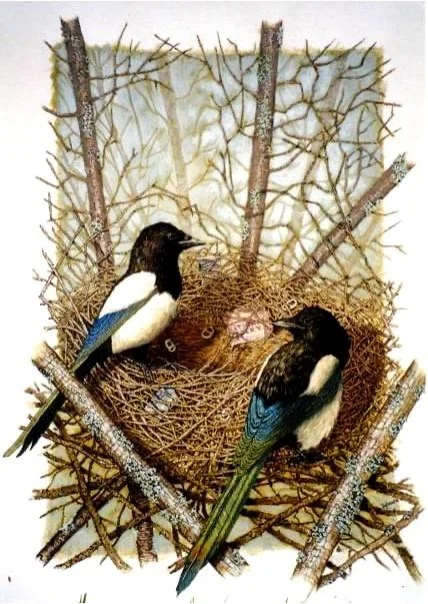
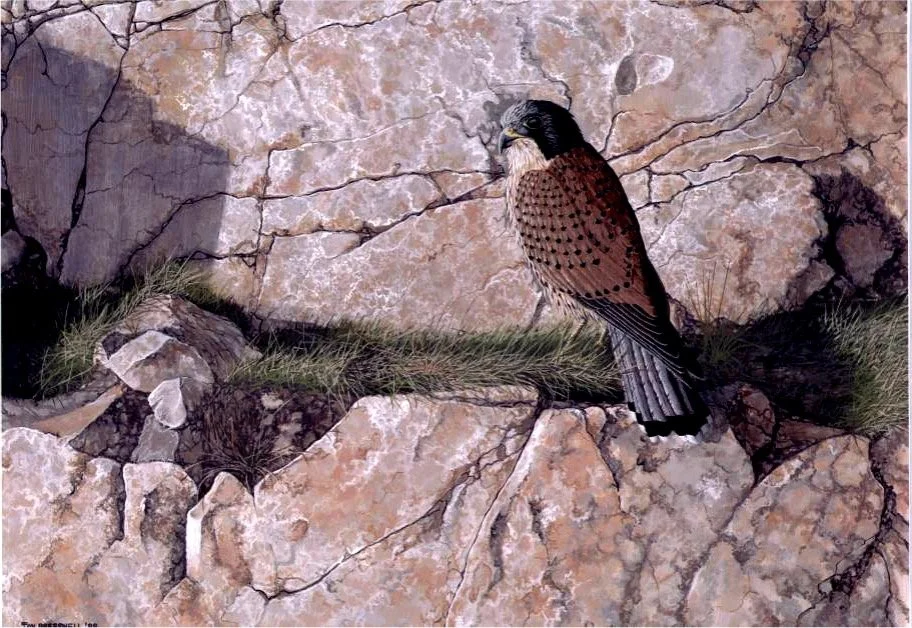
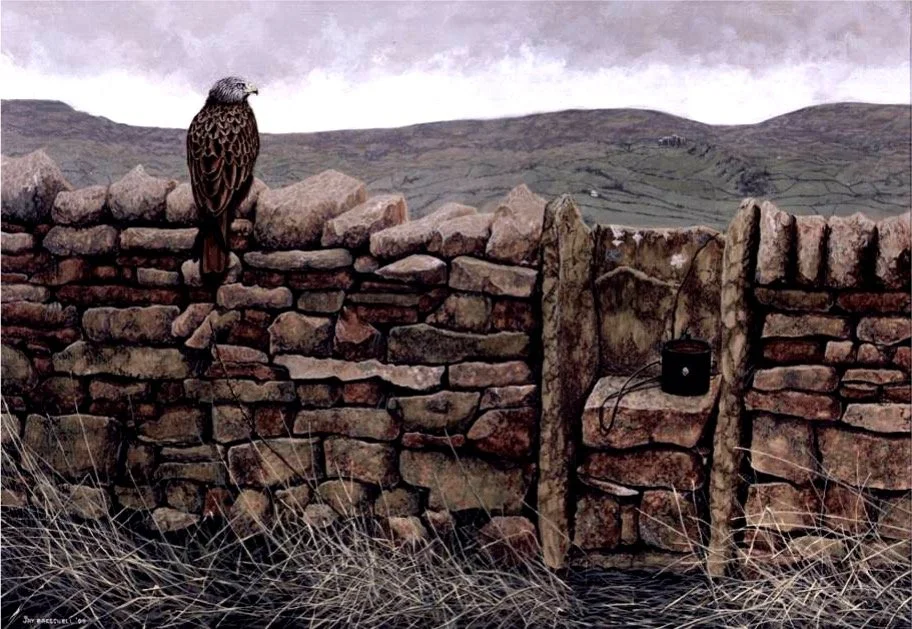
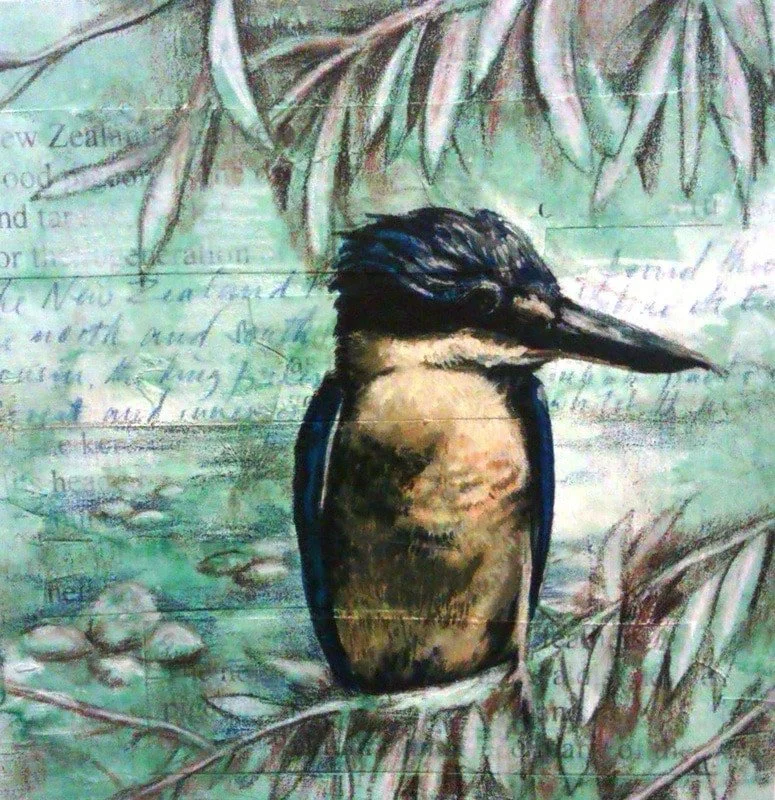
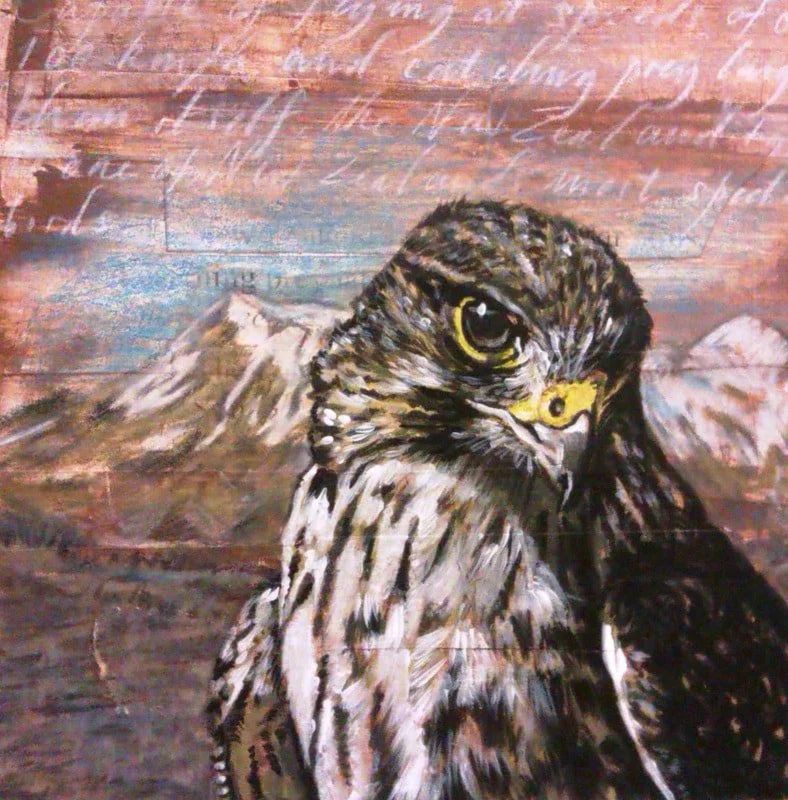
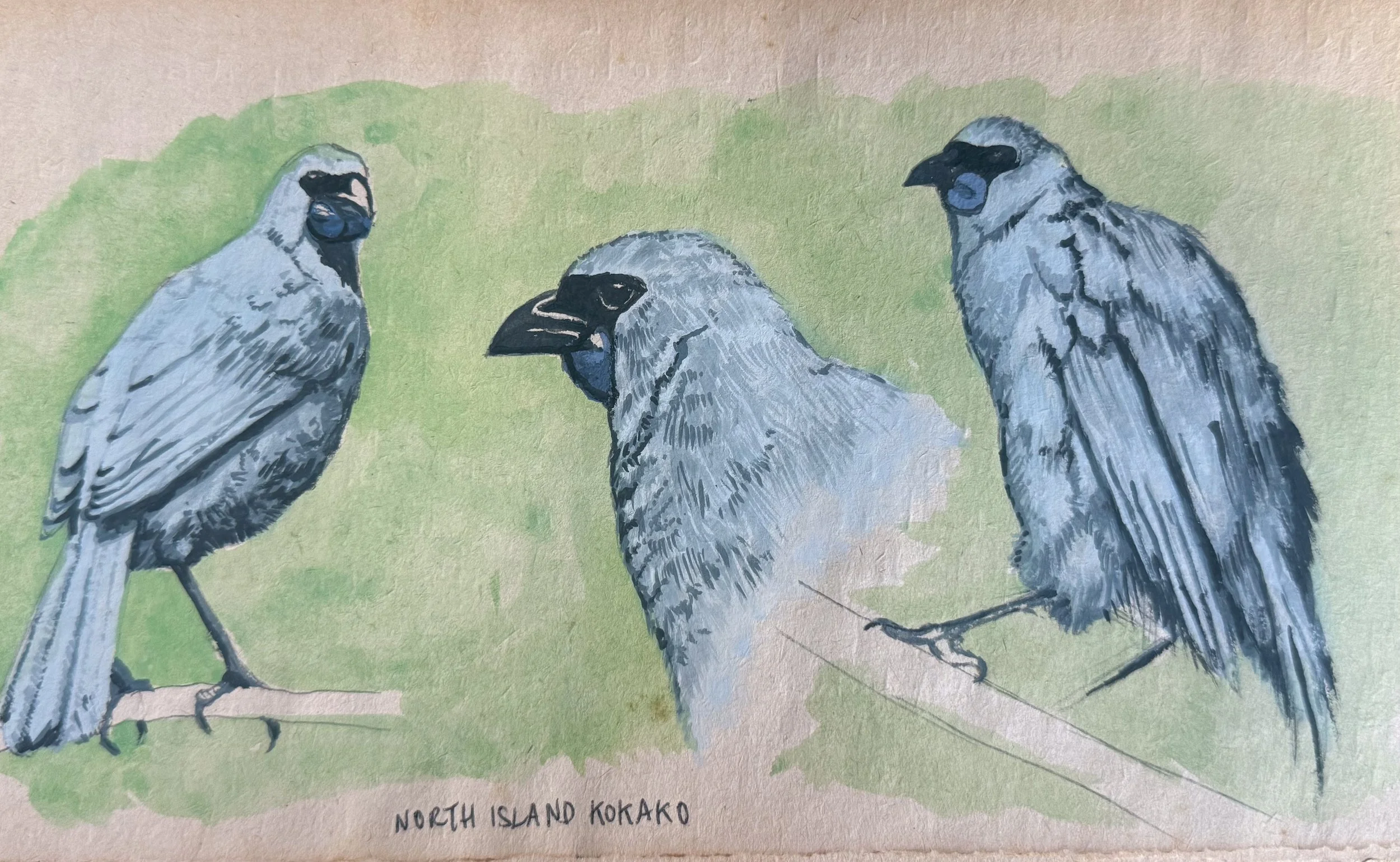
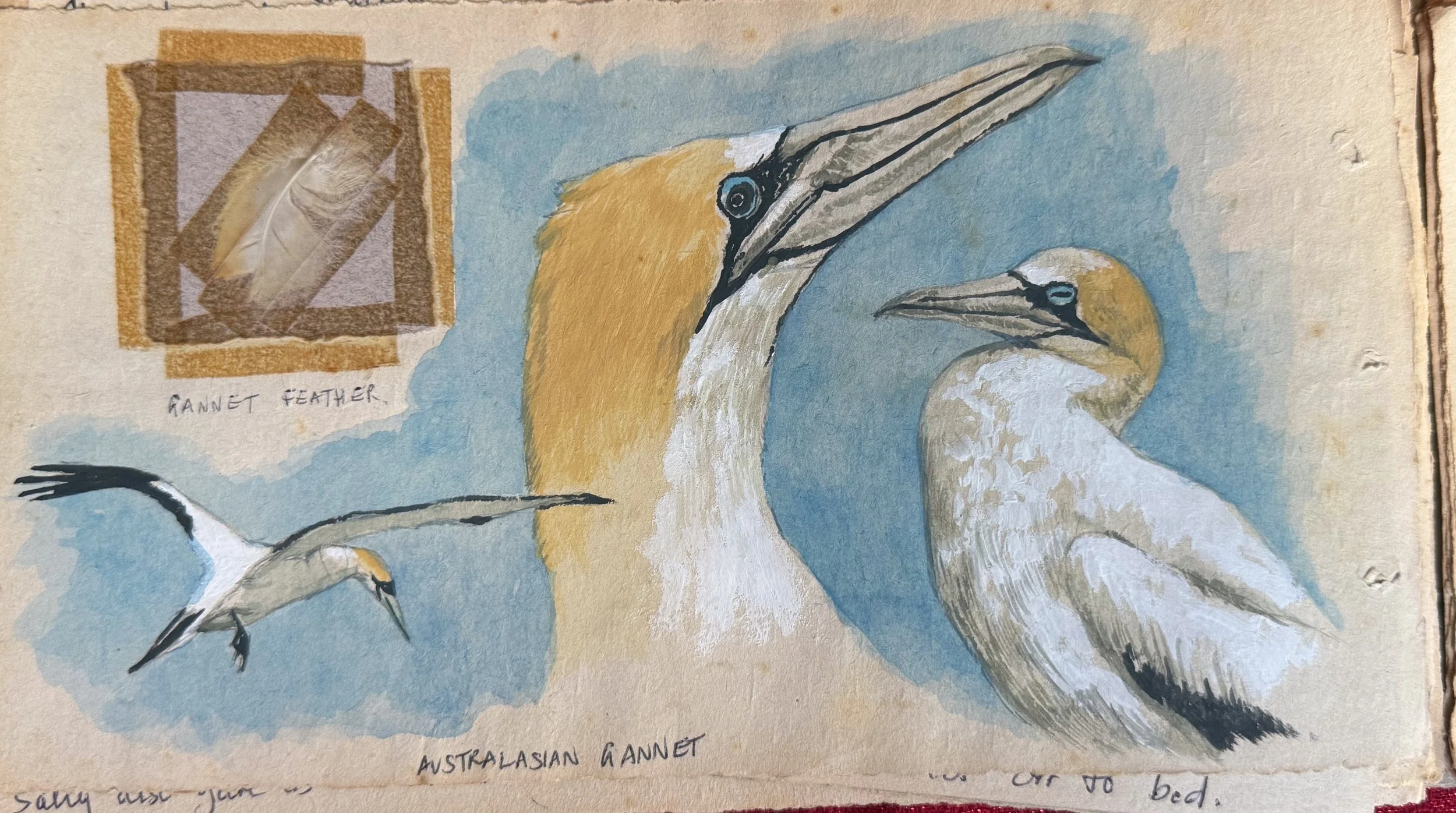
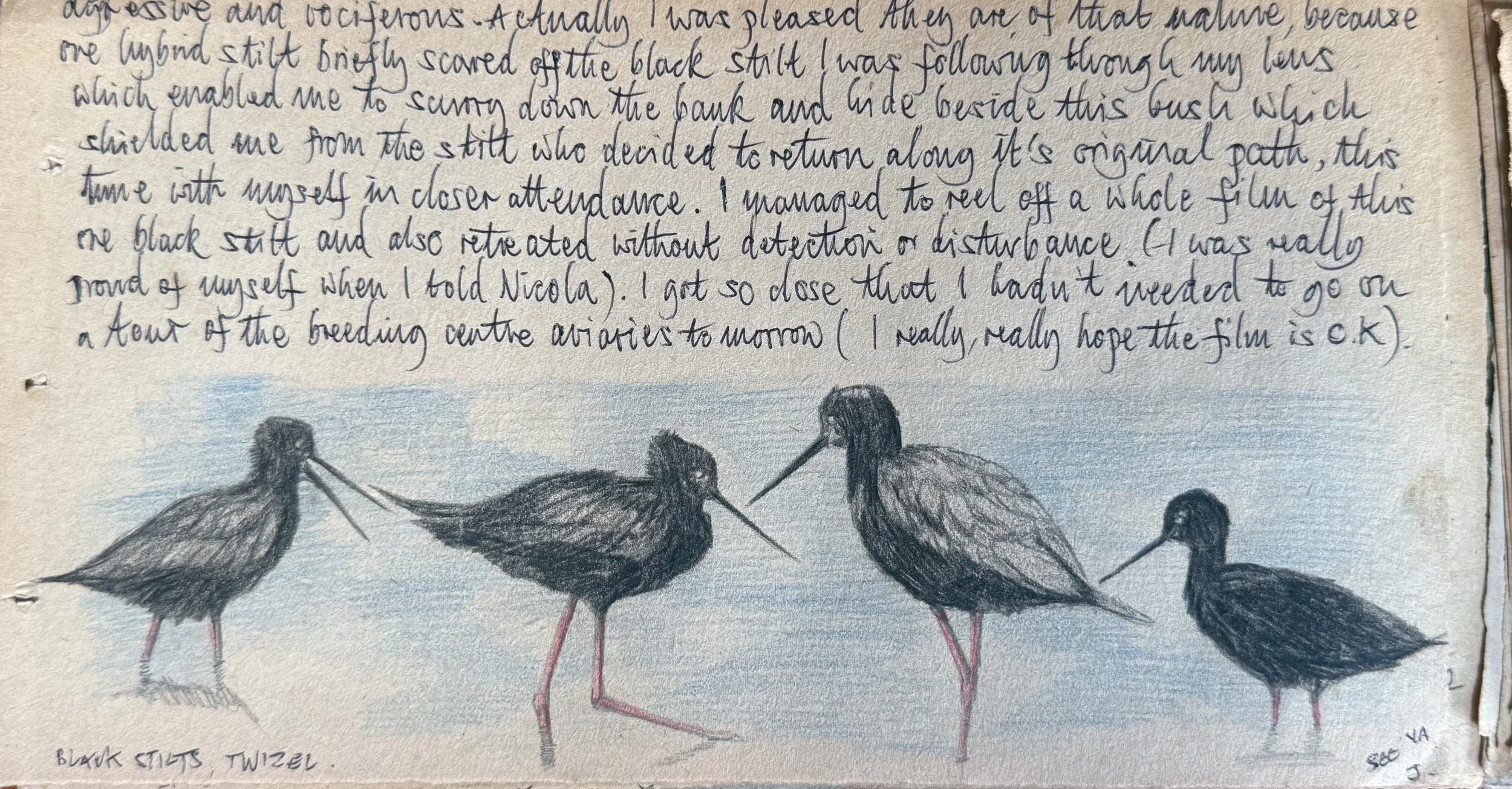
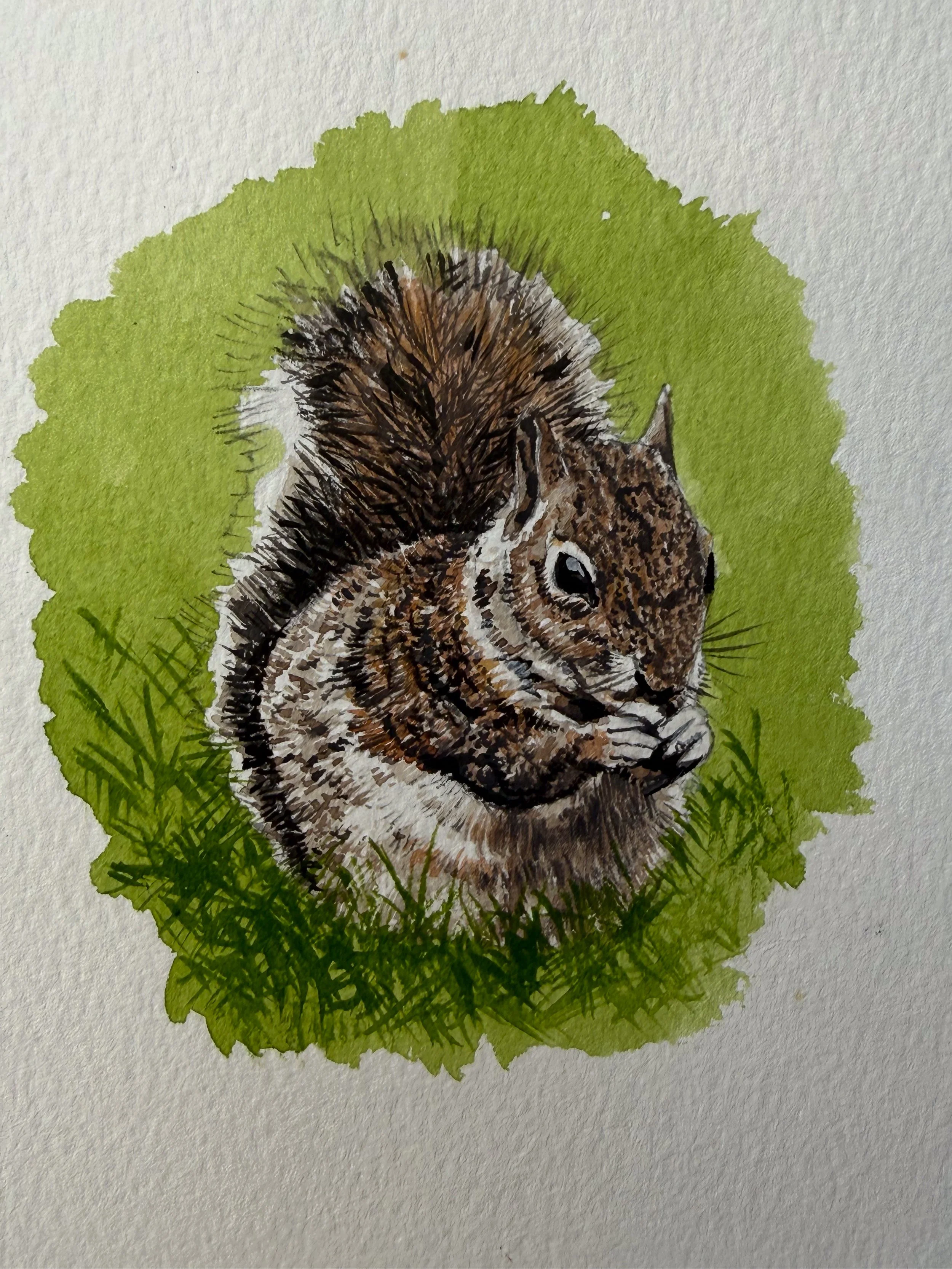
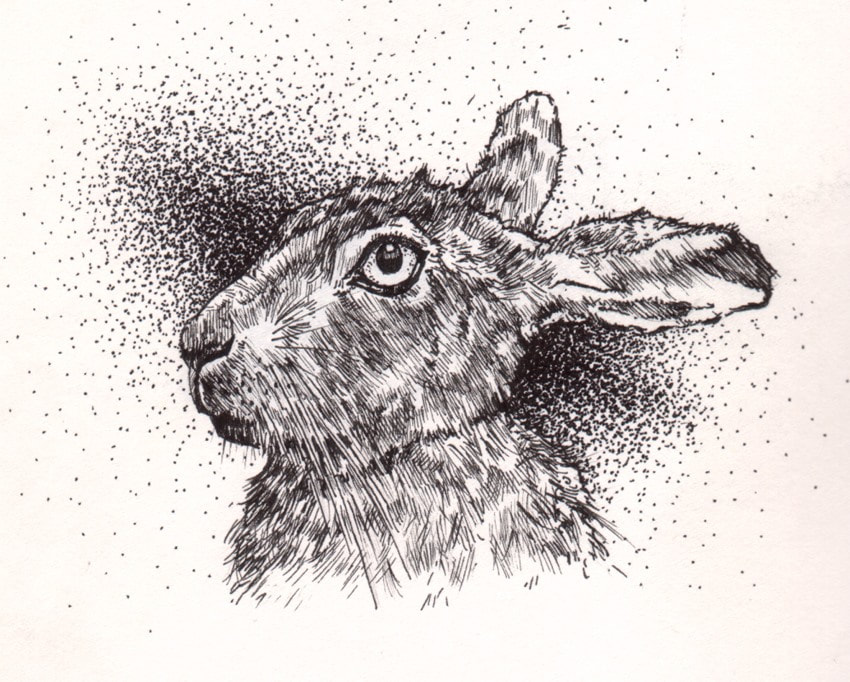
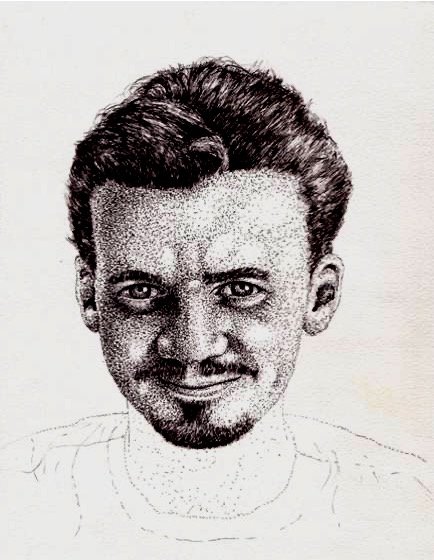
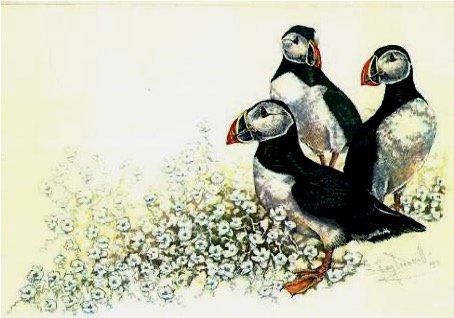
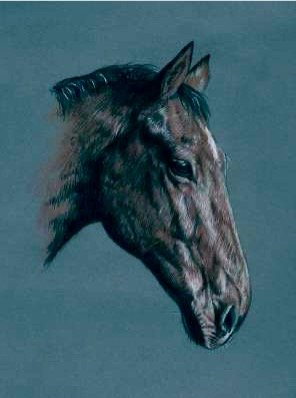
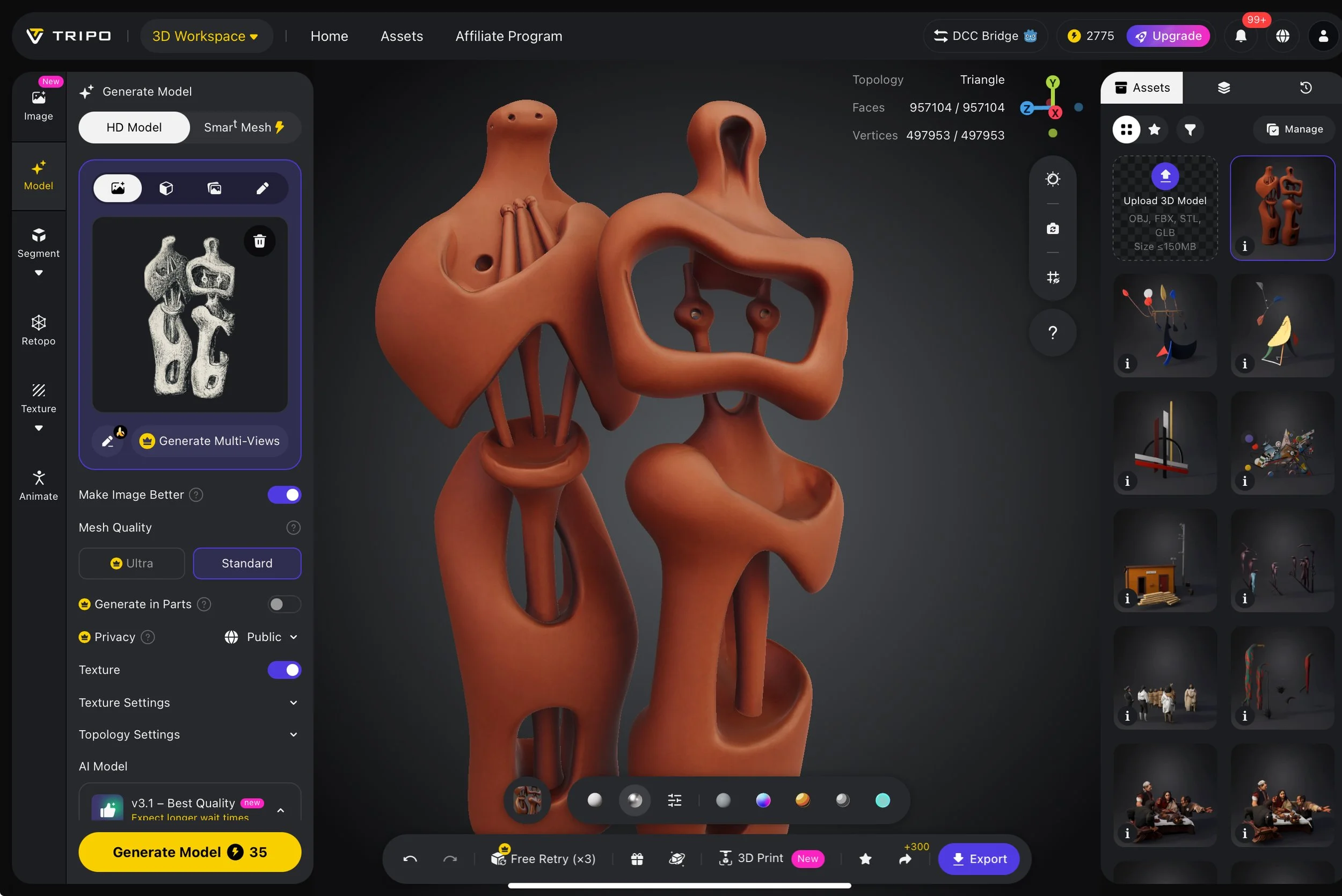
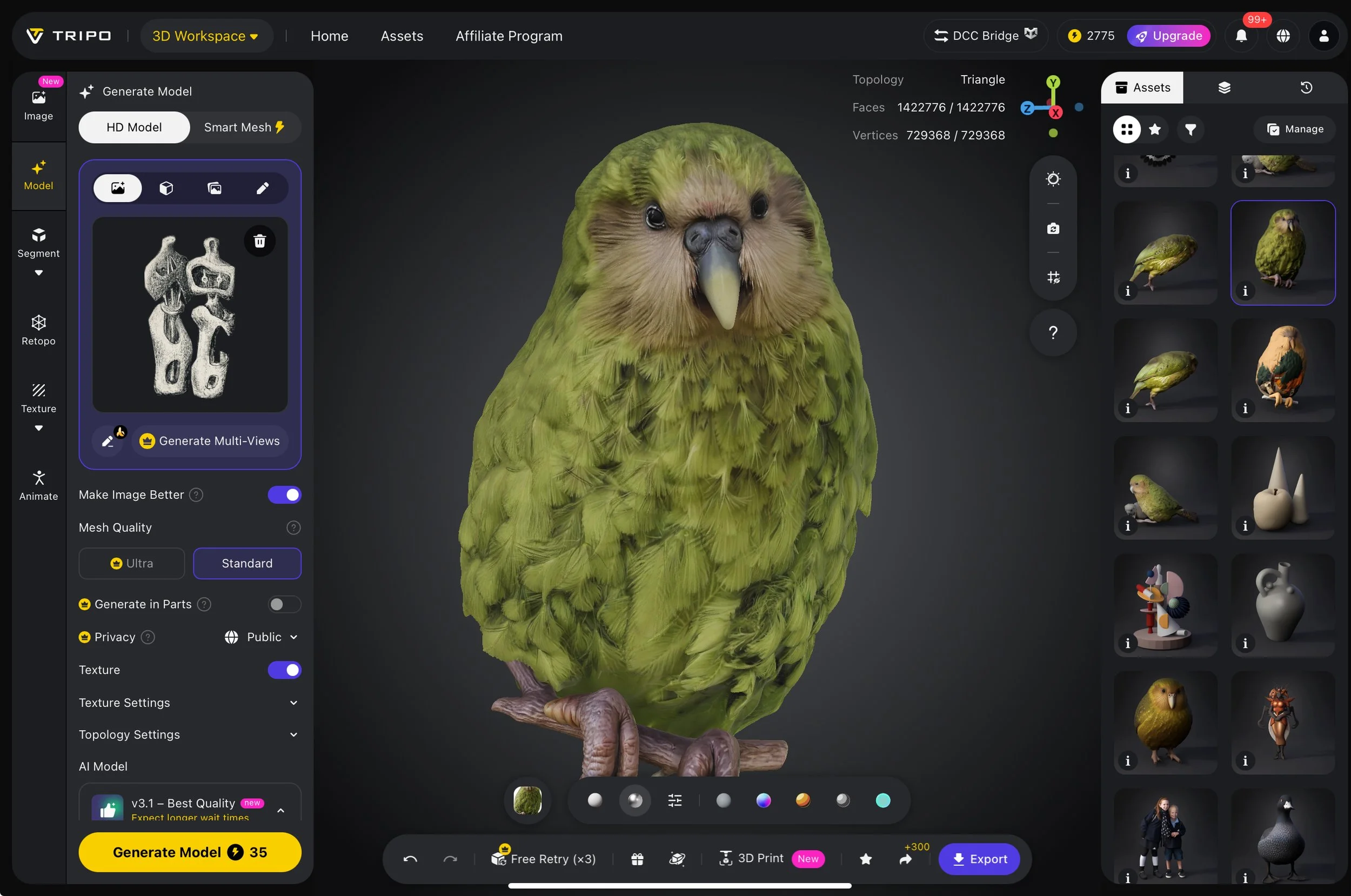
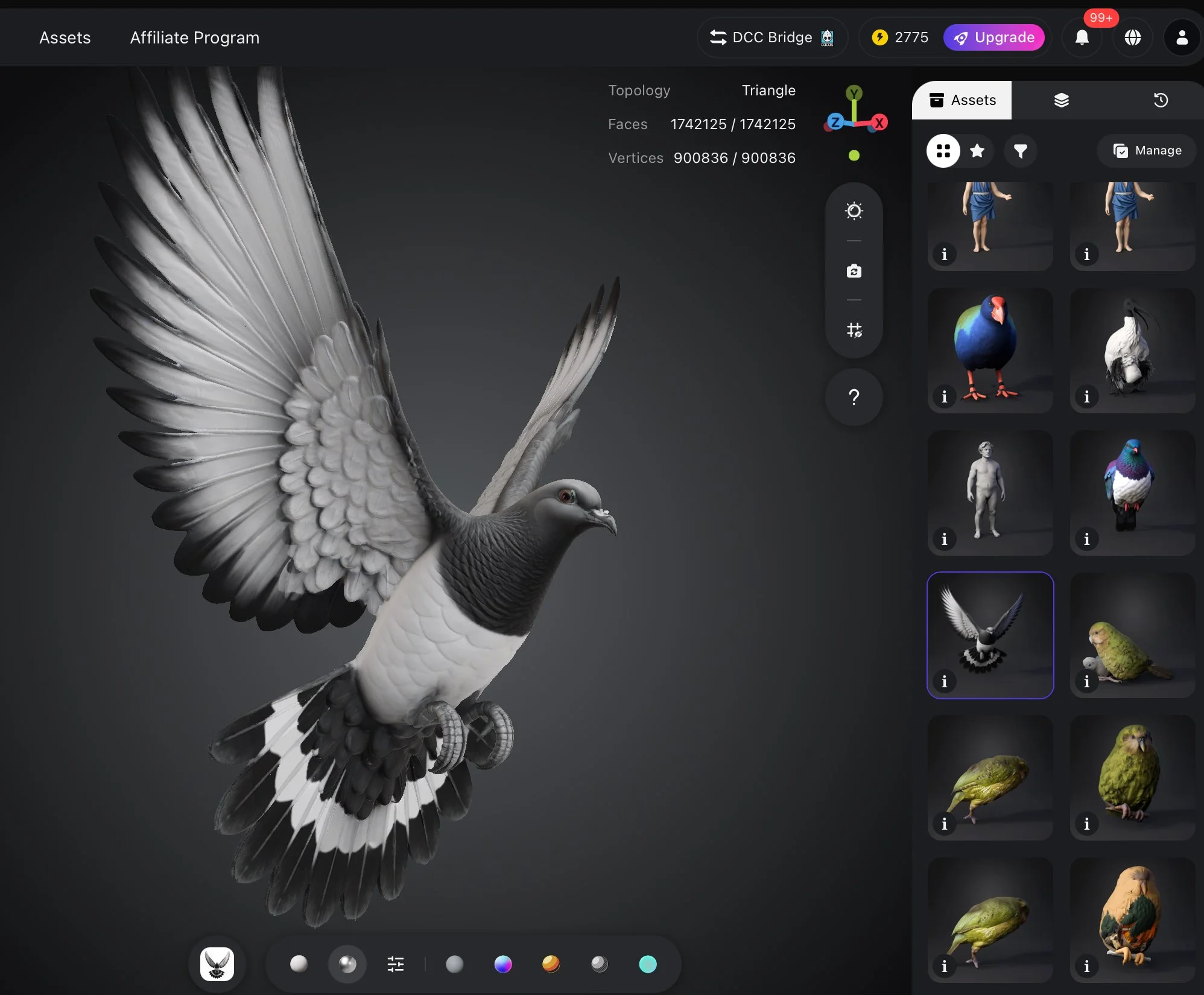
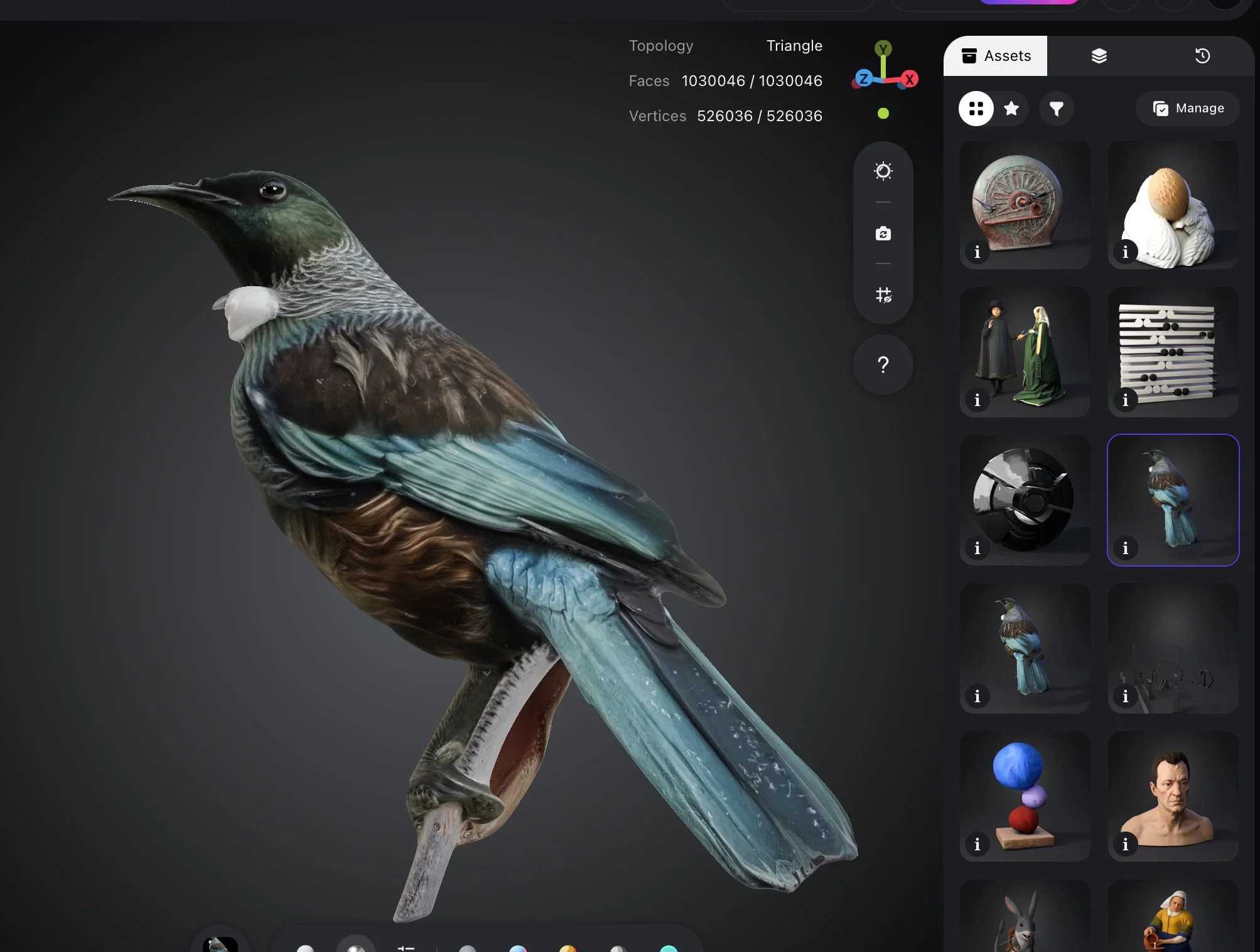
Portraits, Birds & Stories in PaintA collection of original paintings and commissioned works exploring people, nature and the stories that connect us. From detailed portraits and bird illustrations to expressive paintings, each work is created with a focus on character, detail and personal connection.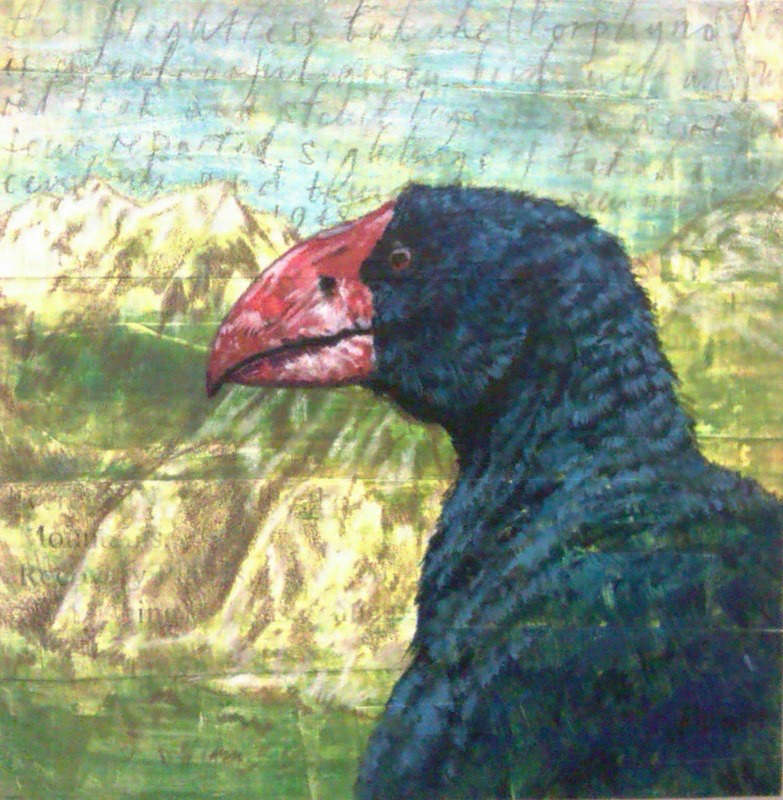
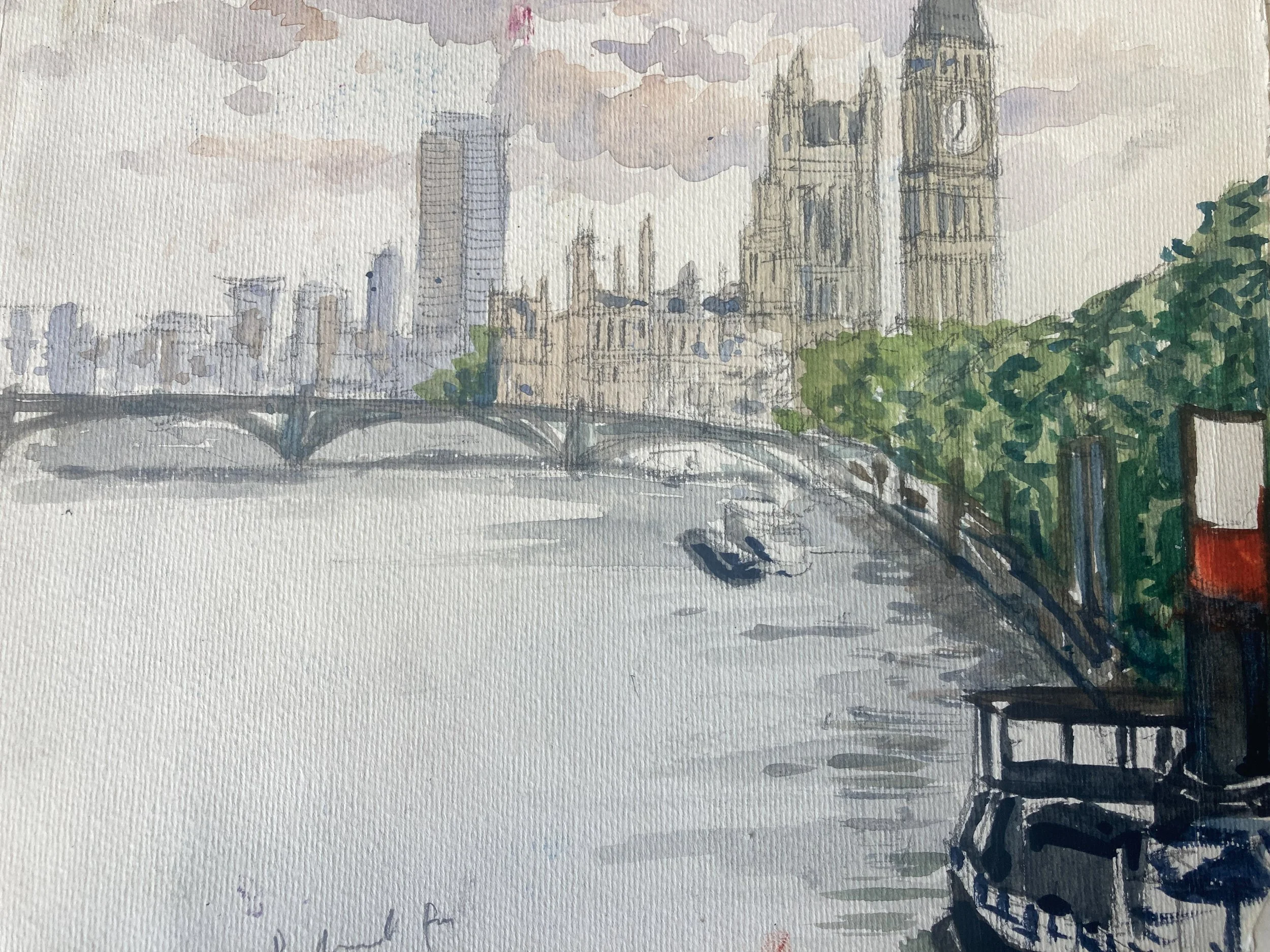
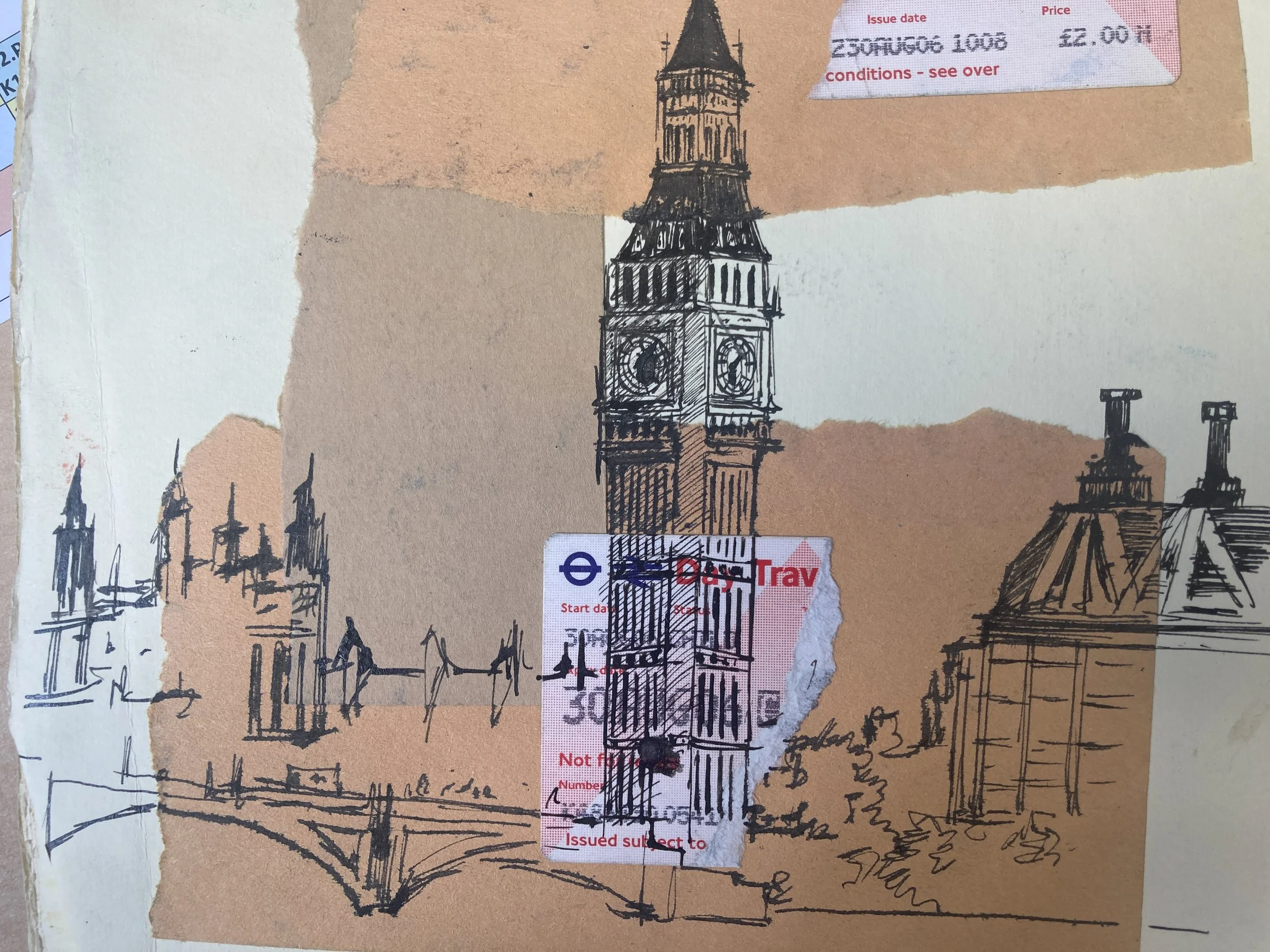
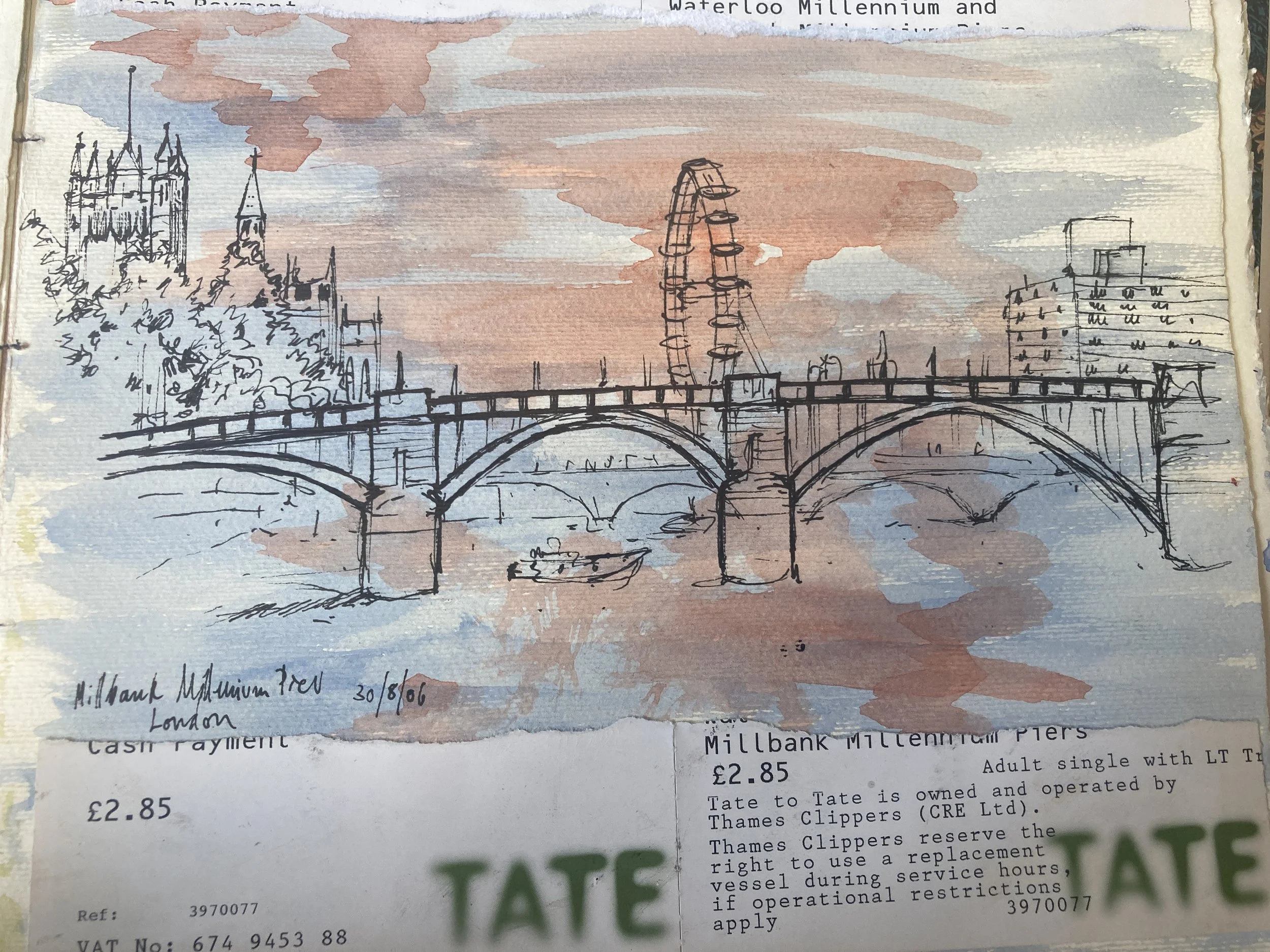
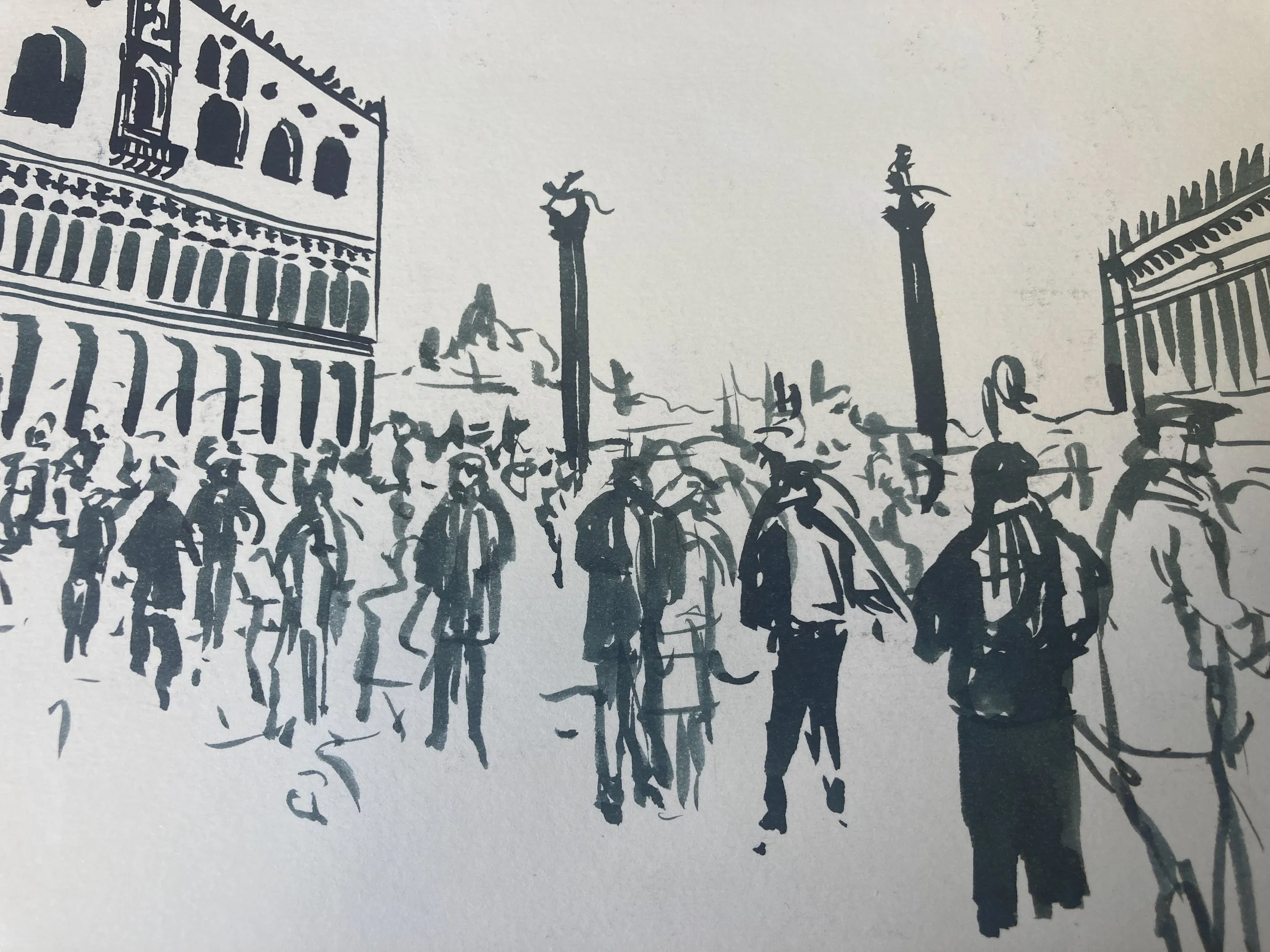
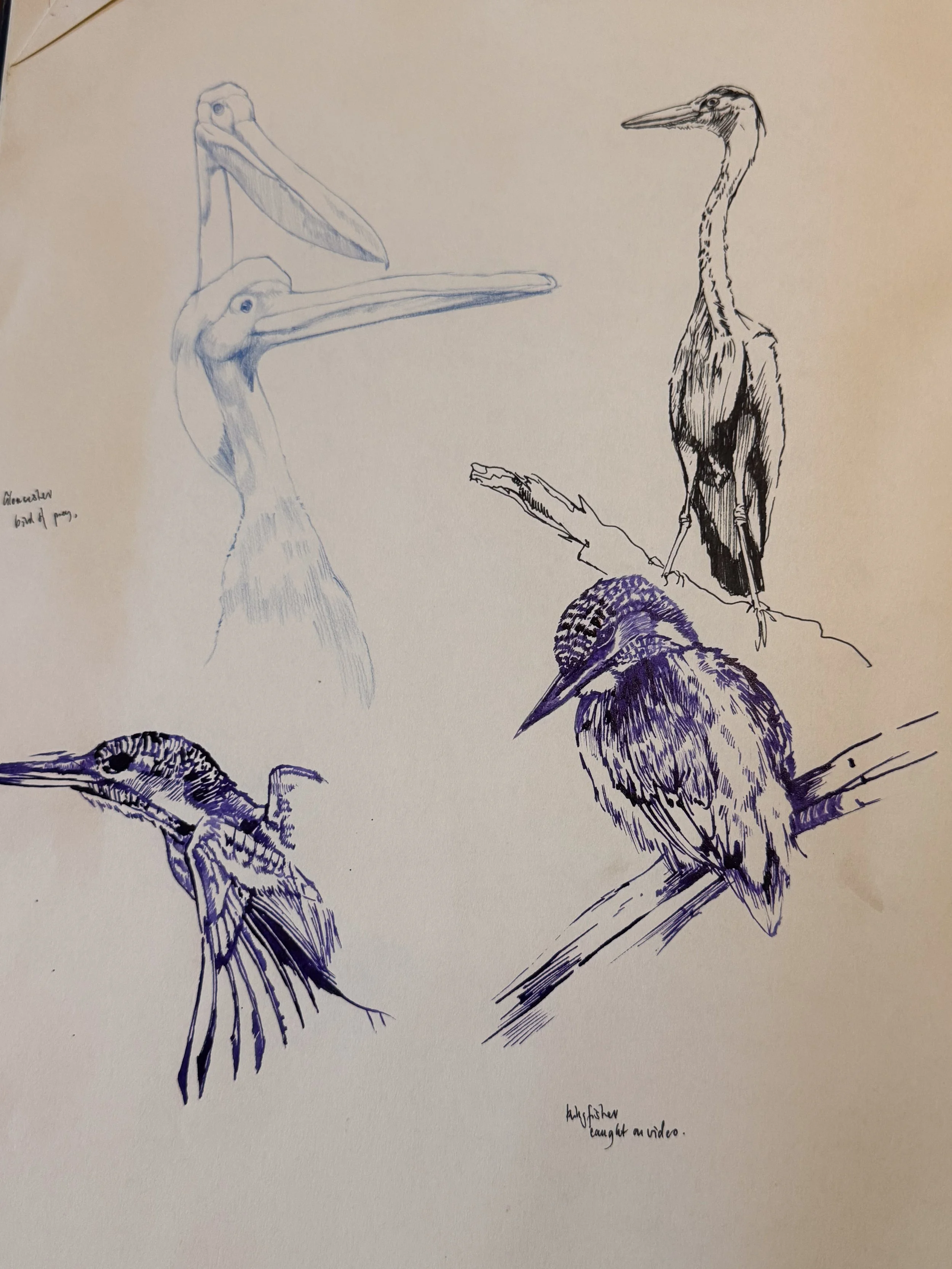
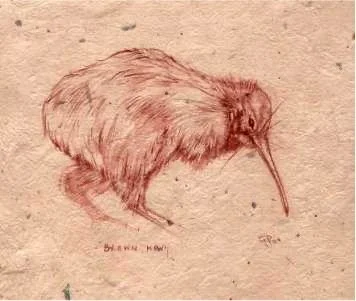
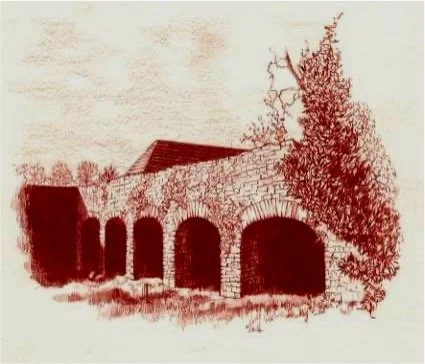
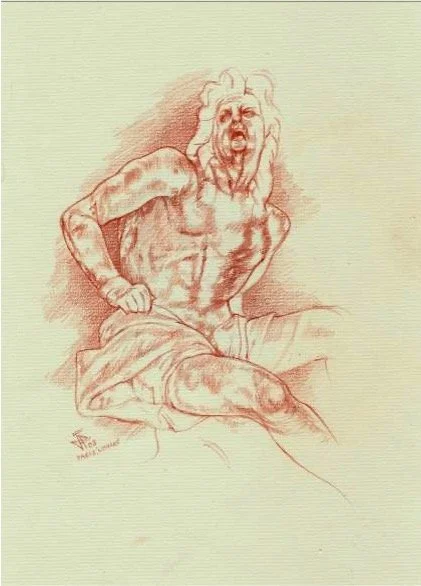
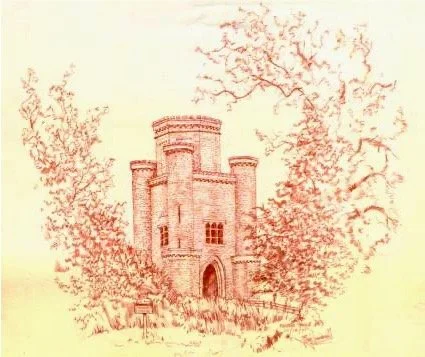
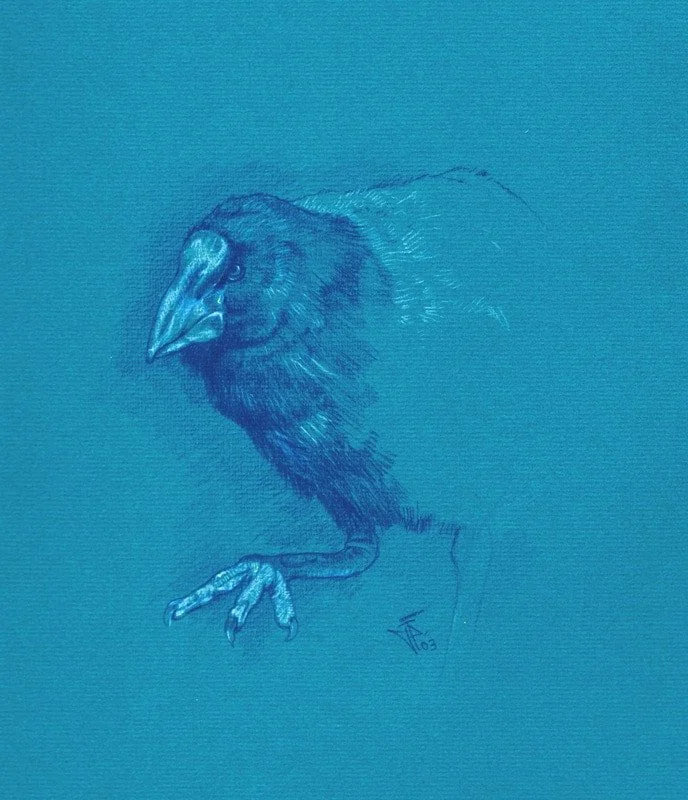
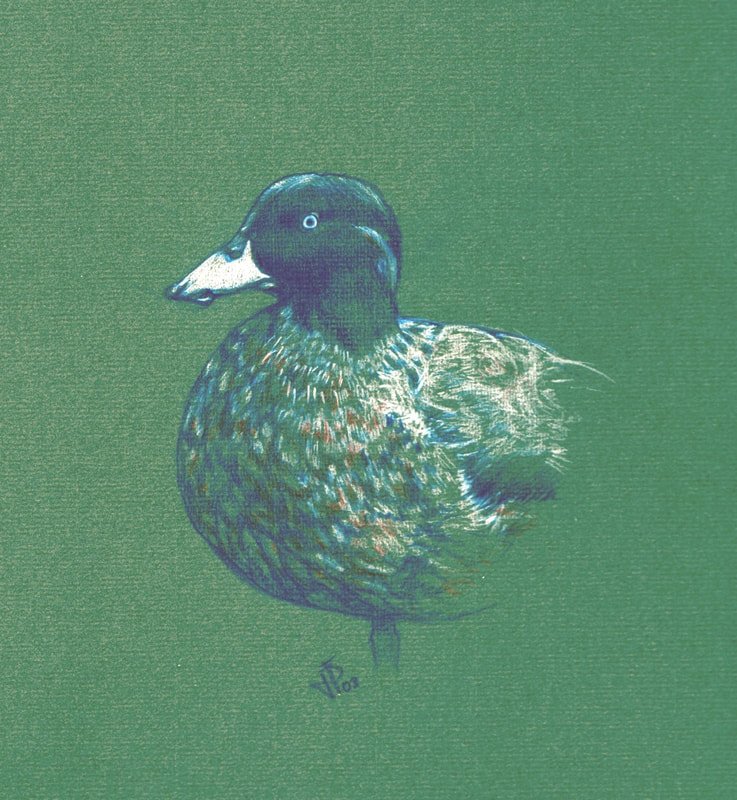
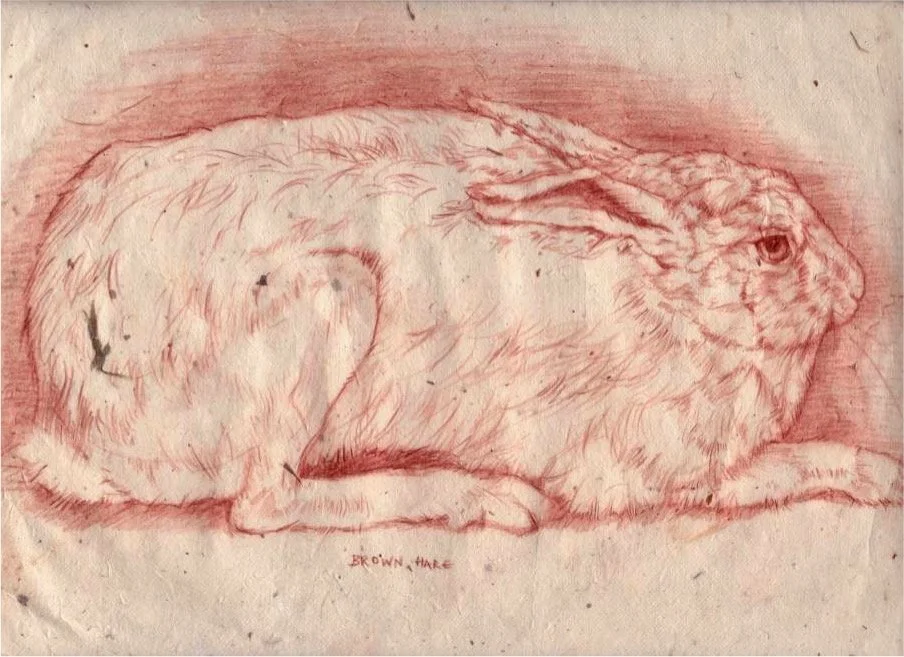
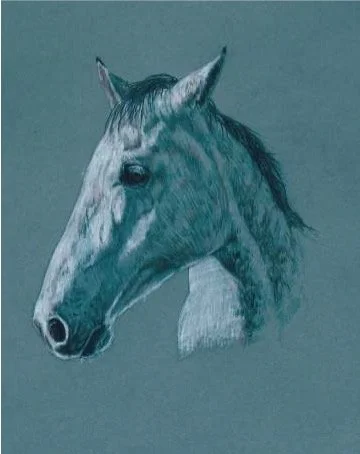
Fieldwork & Illustration
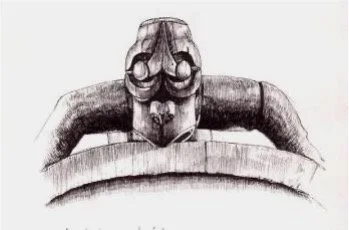
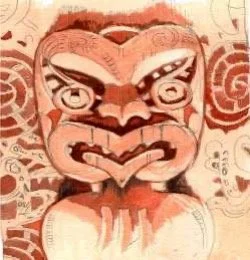
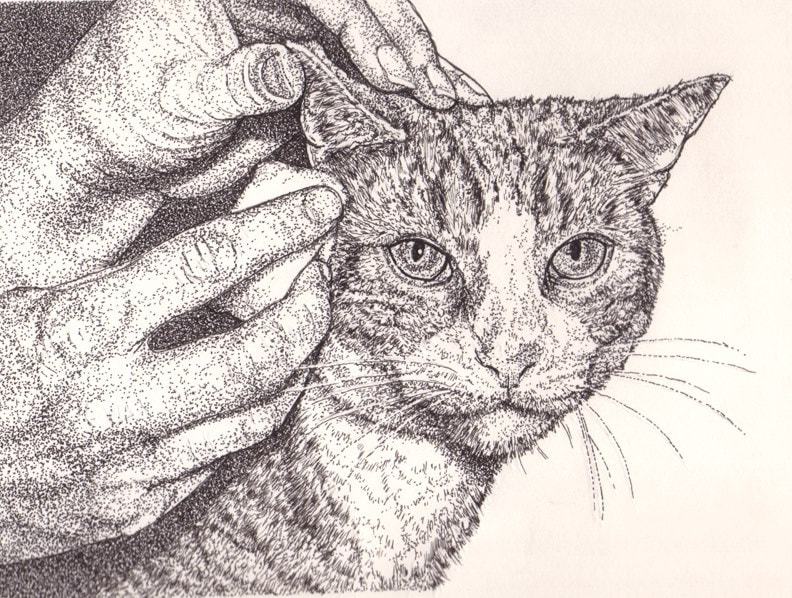
Observing, Recording & Bringing Stories to LifeFieldwork and illustration combine observation, research and creative practice to explore people, places, nature and history. Through sketching, documentation and visual storytelling, these works capture details and experiences from the field and translate them into engaging visual narratives.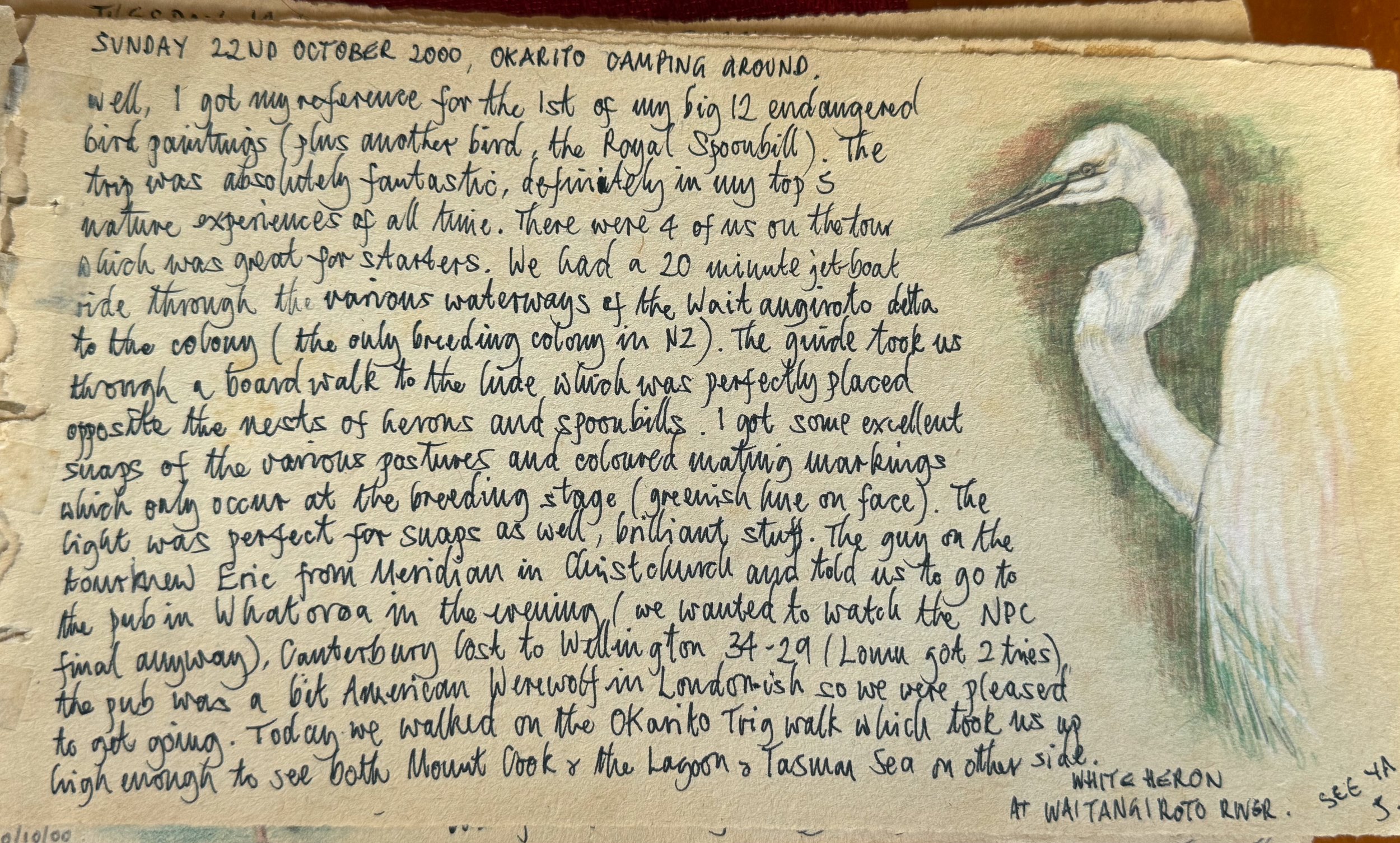

Curriculum & Creative Design
Designing creative, engaging learning experiences.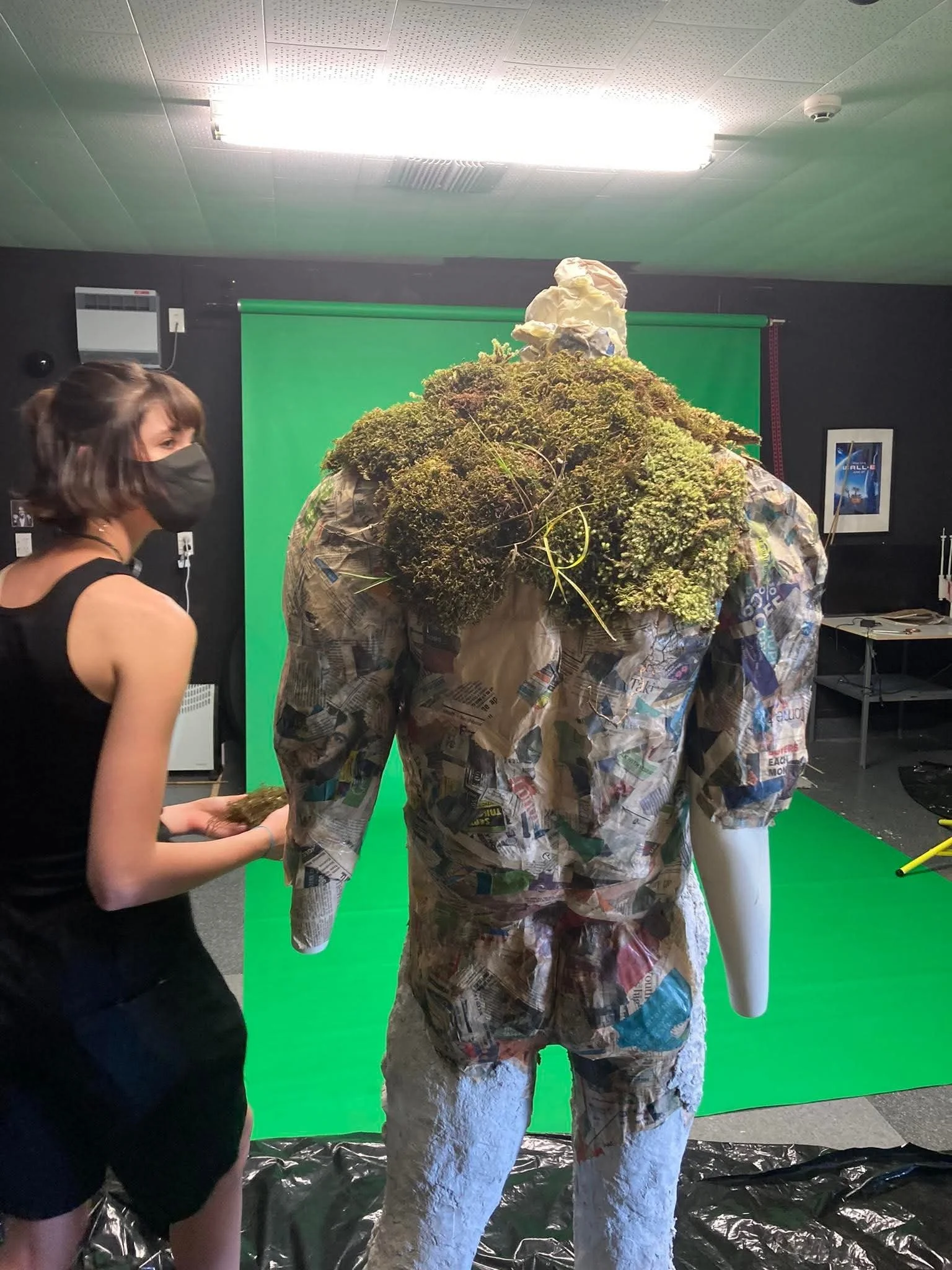
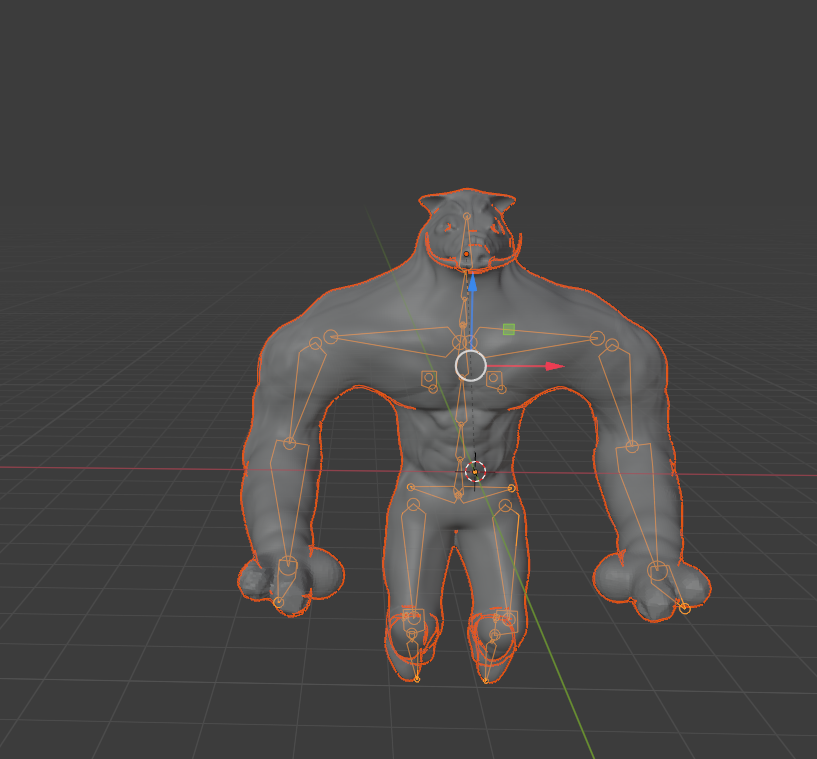
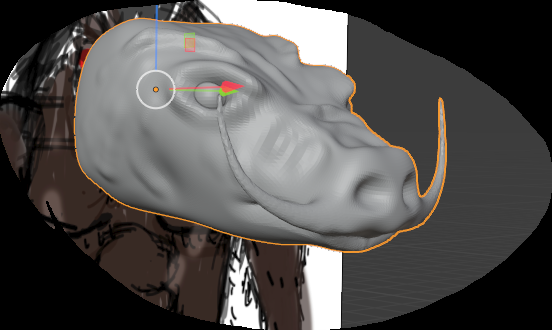
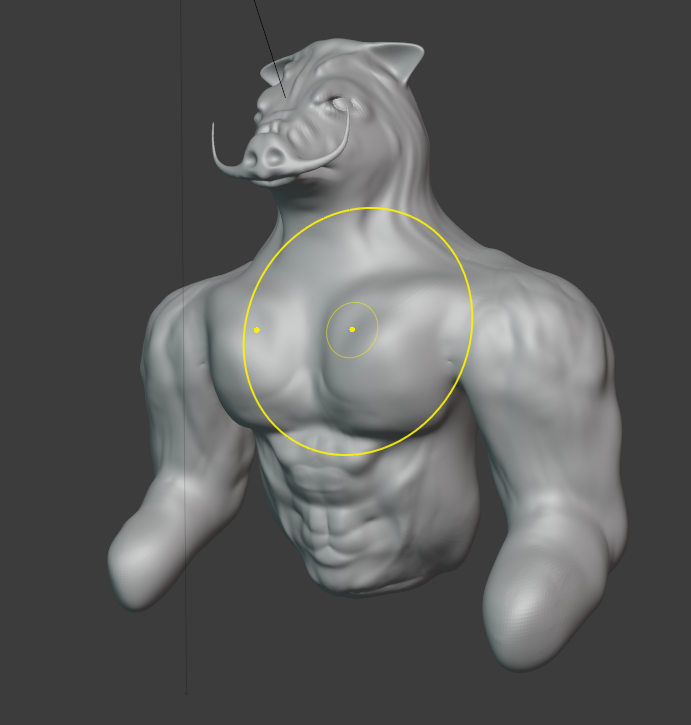
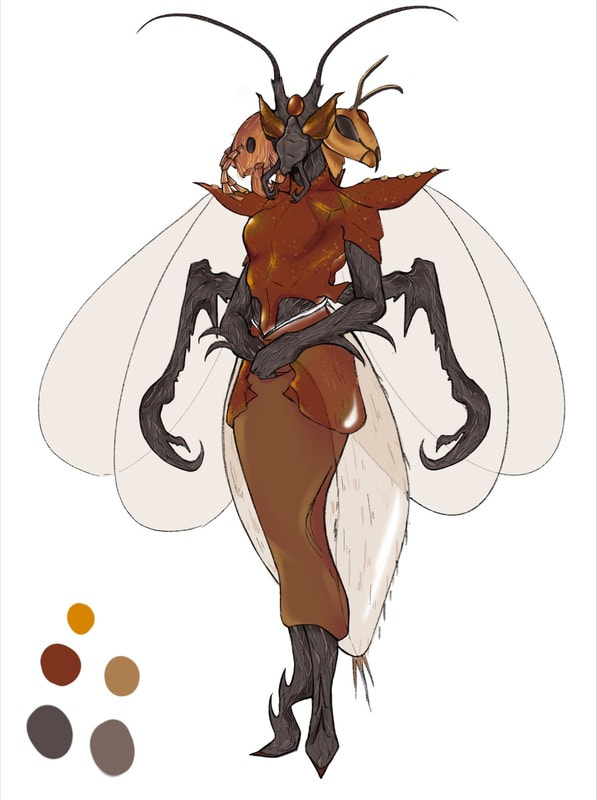
Creative Teaching Portfolio
Building my design practice through NCEAEducation, Innovation & Creative Practice
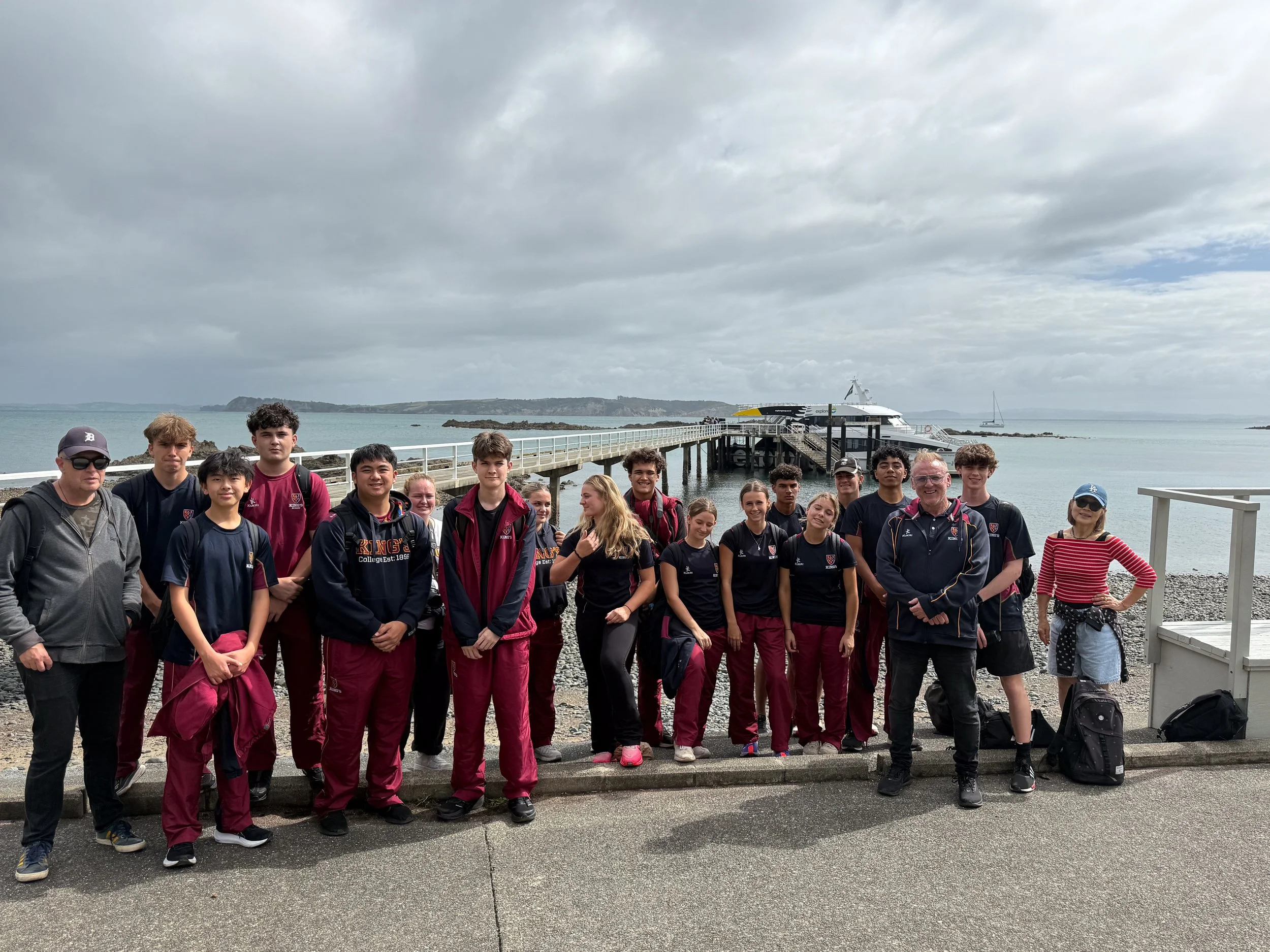
My practice sits at the intersection of art education, emerging technology, creative storytelling and community engagement. Throughout my career, I have explored ways of combining traditional art-making with digital tools to create meaningful, future-focused learning experiences.This portfolio brings together two connected areas of practice: Pedagogy in Action and Creative Practice & Research. Together, they demonstrate how creative thinking, technology and cultural storytelling can be used to engage students, preserve stories and create new ways of experiencing art and place.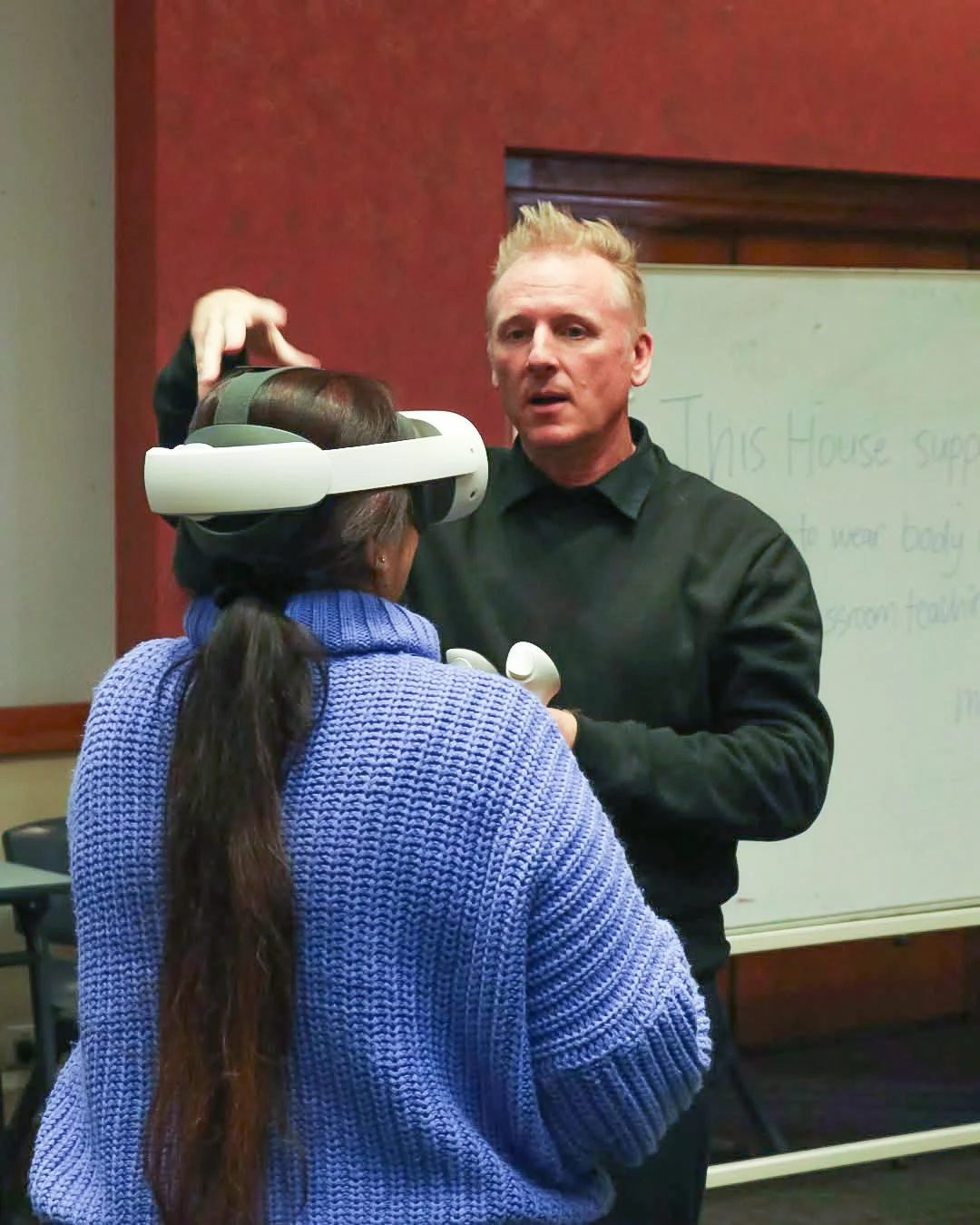
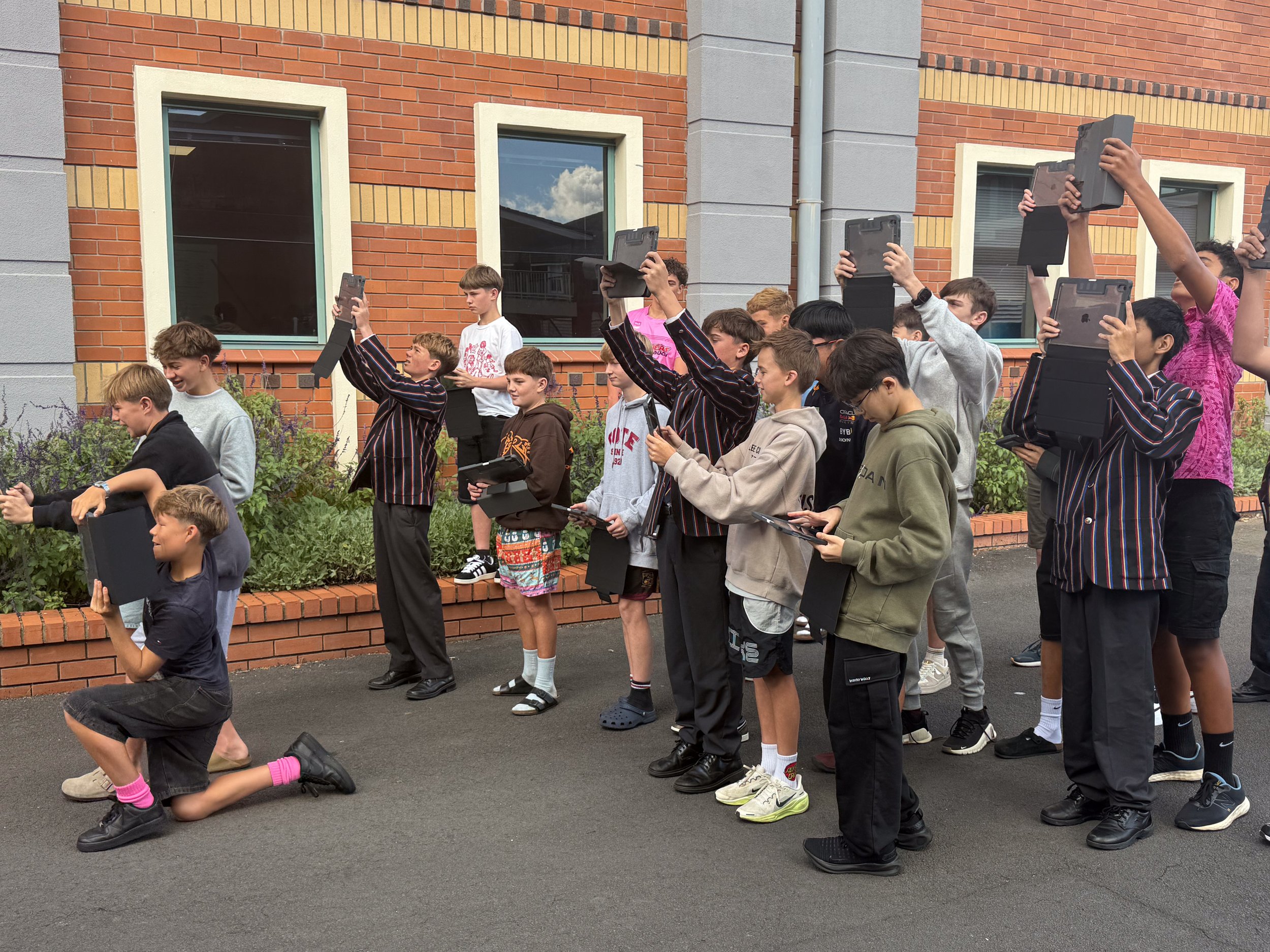
The Future-Focused Studio
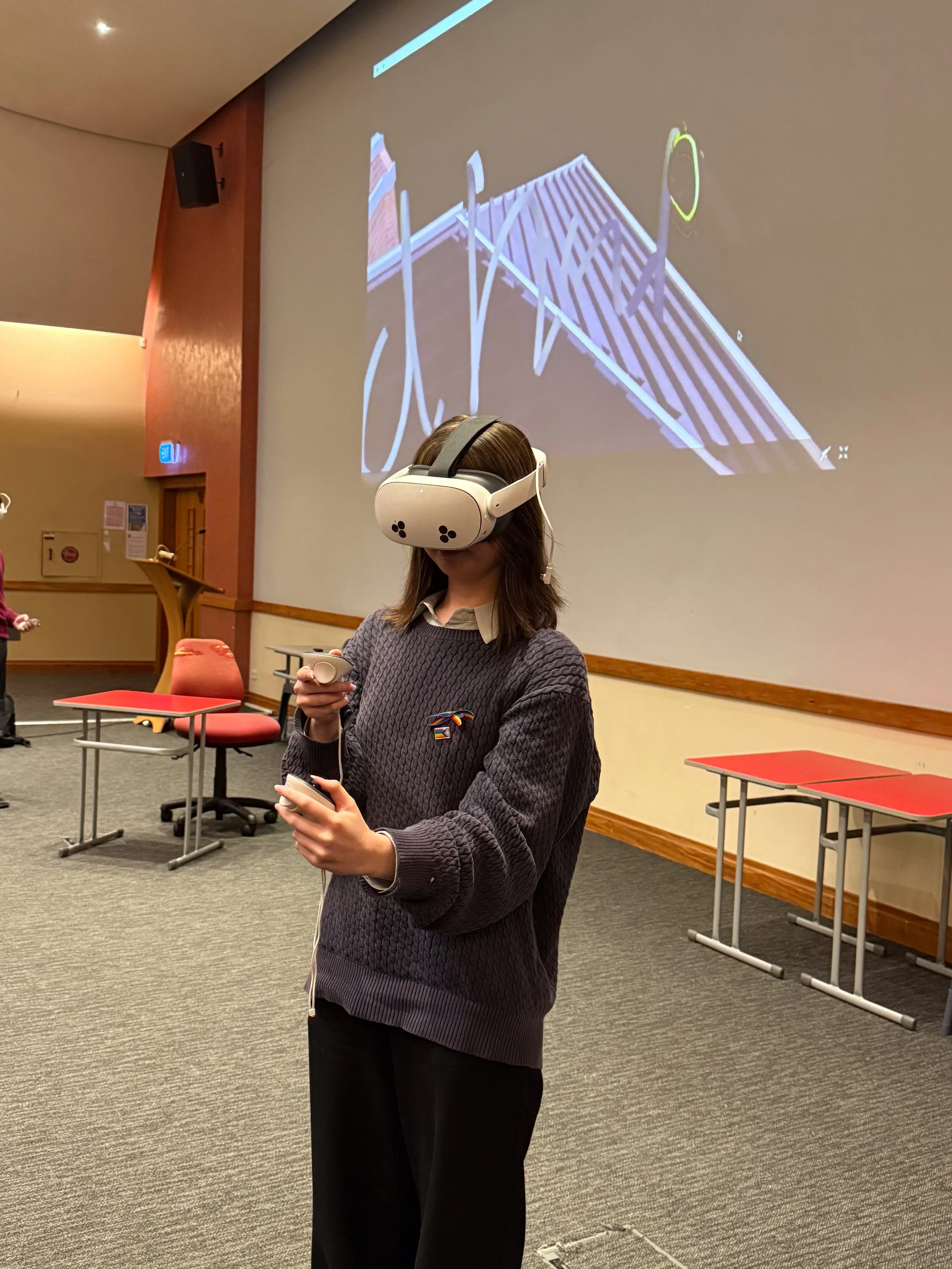
I believe the art classroom should be a place where students are encouraged to experiment, take creative risks and explore the possibilities of emerging technology.

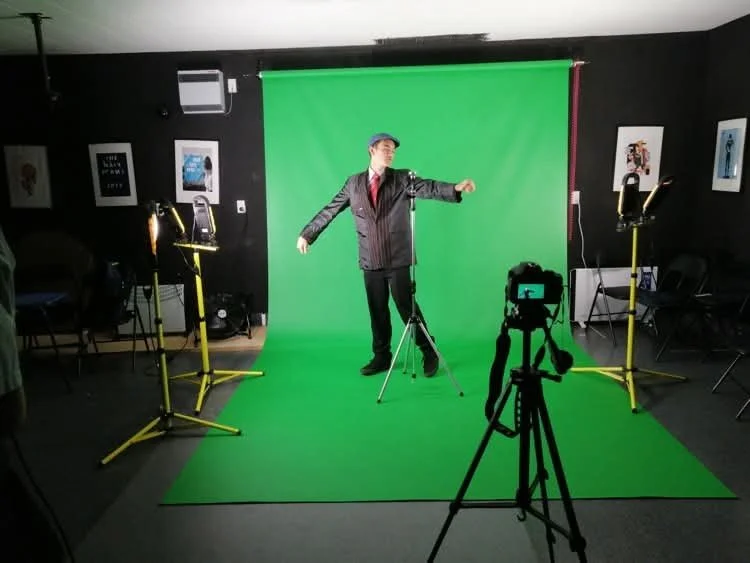
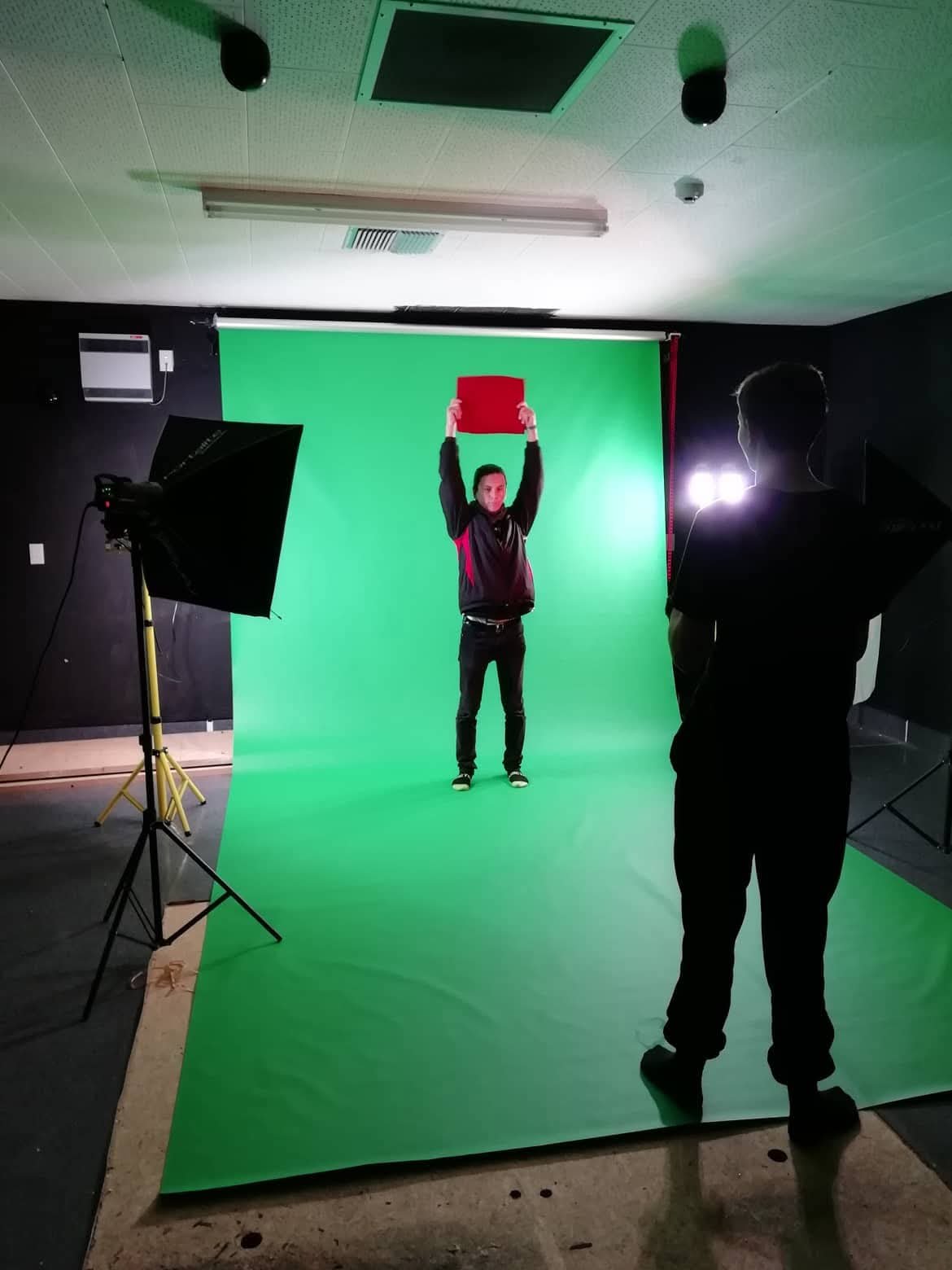
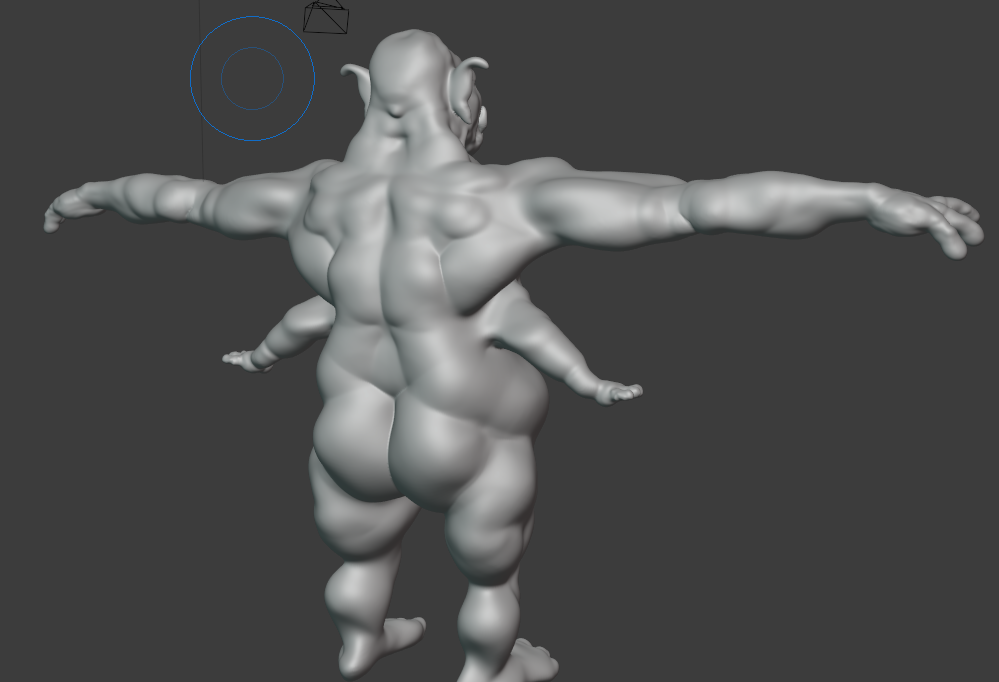
My teaching practice incorporates 3D modelling, virtual reality, augmented reality, green-screen production, visual effects, animation and digital design alongside traditional art disciplines. These technologies are not used simply for their novelty; they provide students with new ways to investigate ideas, construct narratives and communicate their thinking.
3D Art History & Spatial Learning
Through 3D modelling and digital reconstruction, students explore artworks and historical environments in ways that extend beyond the traditional classroom.

Students have created spatial reconstructions and interactive environments based on significant artworks and cultural references, allowing them to investigate composition, perspective, space and visual storytelling from entirely new perspectives.
Bringing Art History to LifeBringing Art History to Life
Bringing Art History to Life
Reimagining significant artworks through 3D, VR and interactive technologies. By bringing celebrated works and artists into new digital spaces, these projects make art history more accessible, engaging and open to exploration.
Exploring iconic artworks from Aotearoa New Zealand and around the world through 3D modelling and digital technologies. These projects transform familiar works into immersive experiences, offering new ways to explore, understand and engage with art history.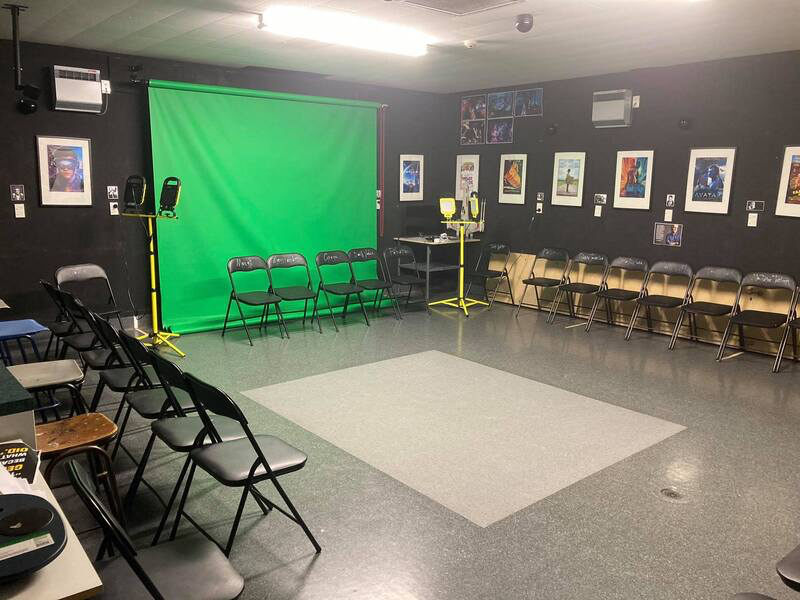
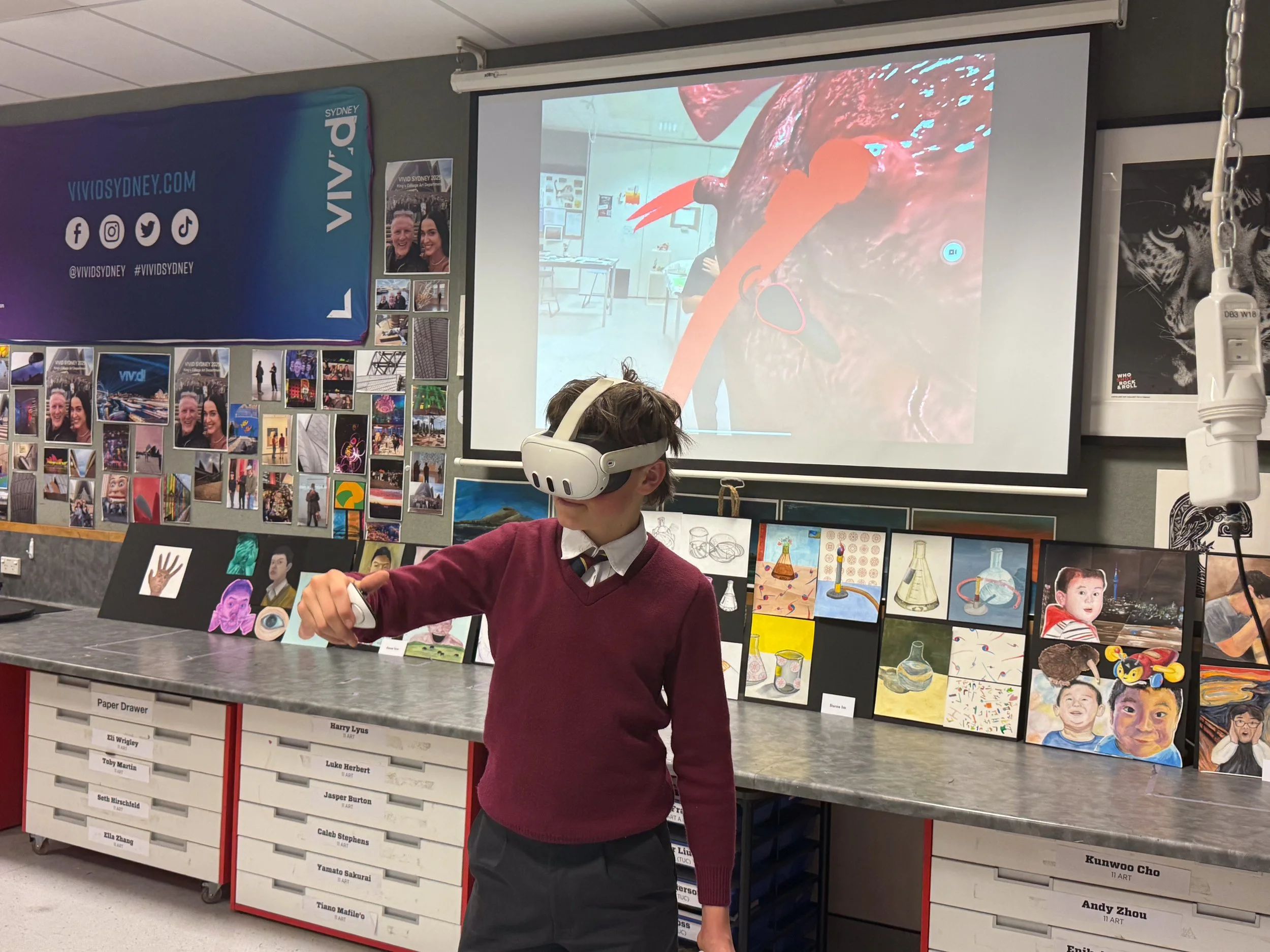
Immersive World-Building & Visual Effects
Students are encouraged to combine physical and digital production techniques to create complex visual narratives.

Projects incorporating green-screen filmmaking, visual effects, animation, digital compositing and virtual reality painting allow students to move between disciplines and develop a broader understanding of contemporary creative practice.

The emphasis is on process as much as the finished work — developing an idea, experimenting with technology, solving creative problems and ultimately communicating a story.
Augmented Reality Sculpture
Augmented reality provides students with an opportunity to connect physical sculpture with digital environments.

Through AR projects, students develop physical artworks that can be experienced through digital layers, allowing sculpture to exist simultaneously within the physical and virtual world.

These projects encourage students to consider place, interaction, audience and technology as part of the creative process.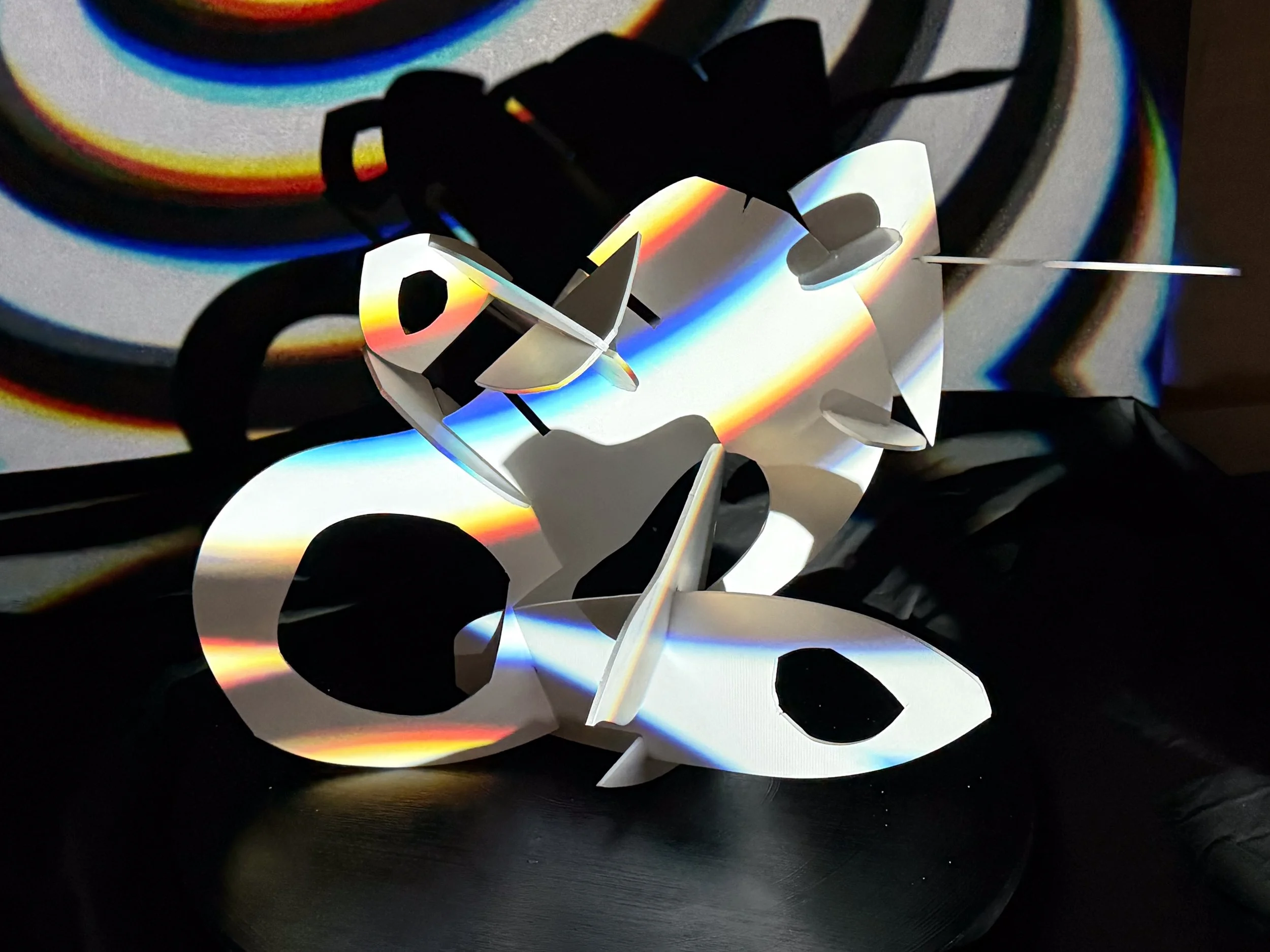
Senior Academic Practice & Student Outcomes
Developing Creative Excellence
My teaching practice is grounded in a balance between creative freedom, academic rigour and strong technical foundations.

Students are supported to develop their own creative voice while building the practical, analytical and critical skills required to succeed in senior visual arts qualifications.

Cambridge & NCEAPaintingPhotographyDesignSculptureAnimationDigital Media
Assessment & Moderation
My experience in assessment and national moderation has informed a teaching approach that places clear expectations around creative development, technical skill, critical thinking and resolved outcomes.

Understanding assessment from both the teacher and moderator perspective allows students to make informed creative decisions while maintaining ownership of their individual practice.

The goal is not simply to achieve an assessment outcome, but to develop students who understand why they are making decisions and can articulate the thinking behind their work.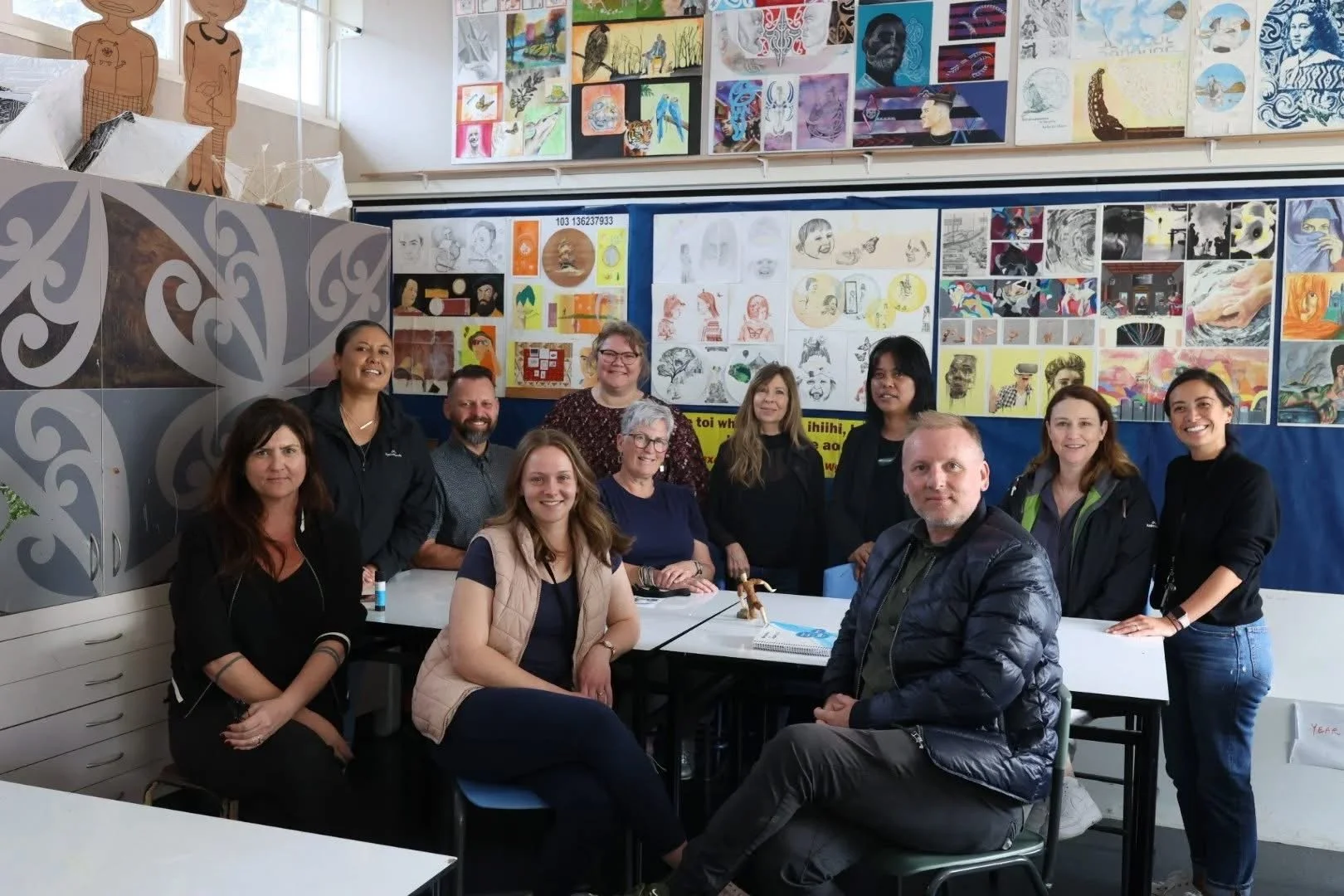
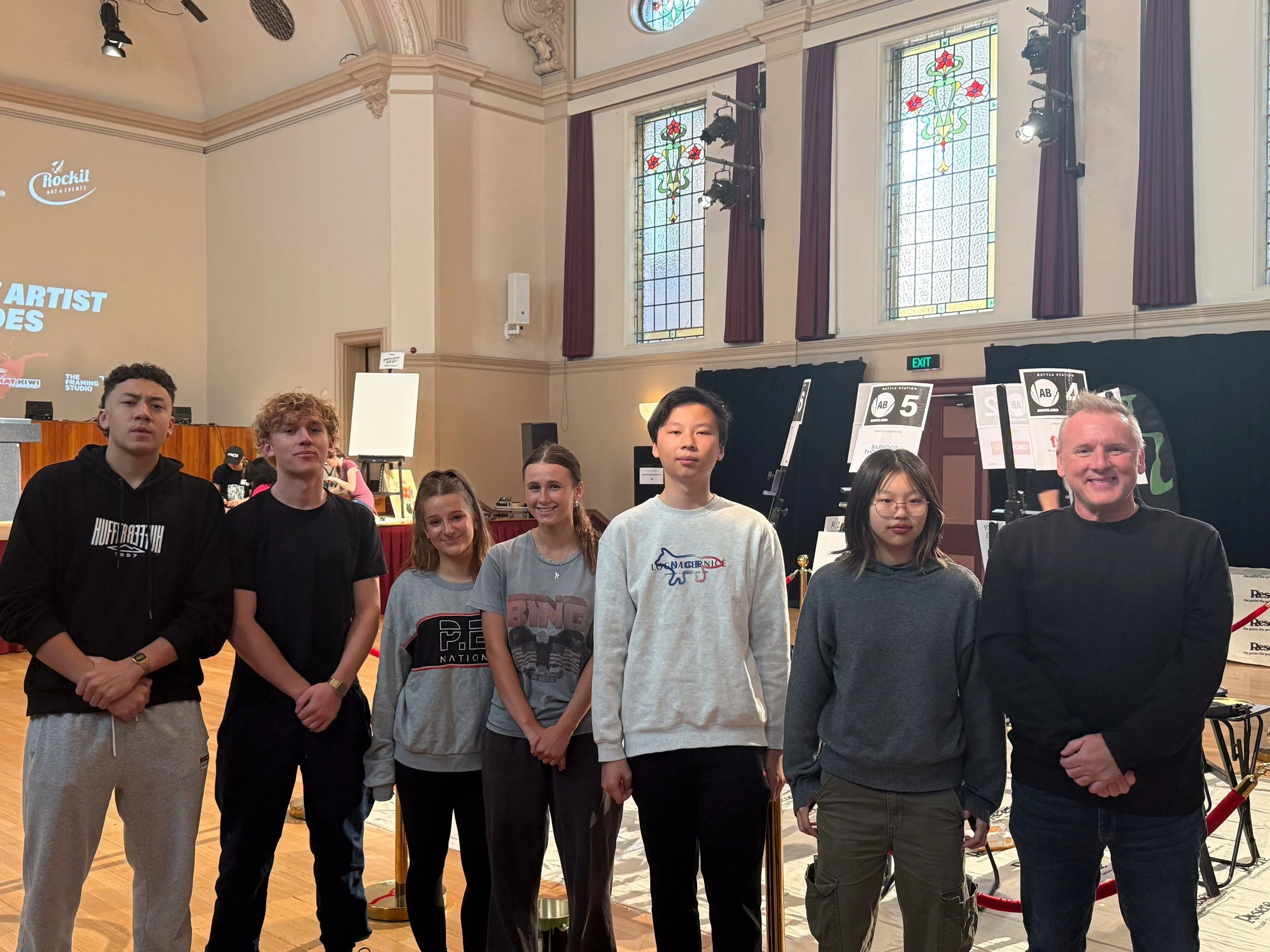
Thought Leadership & Creative Education
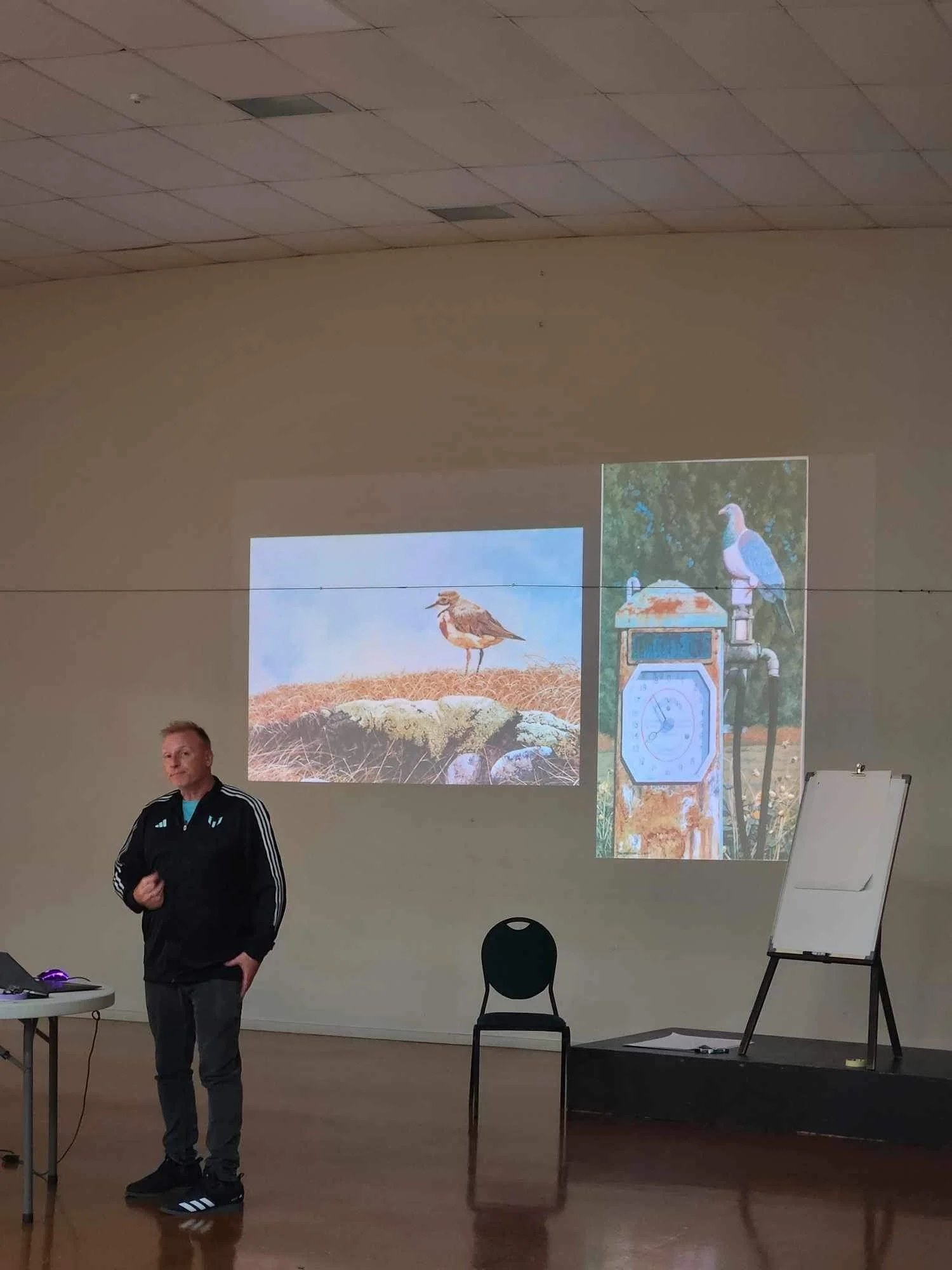
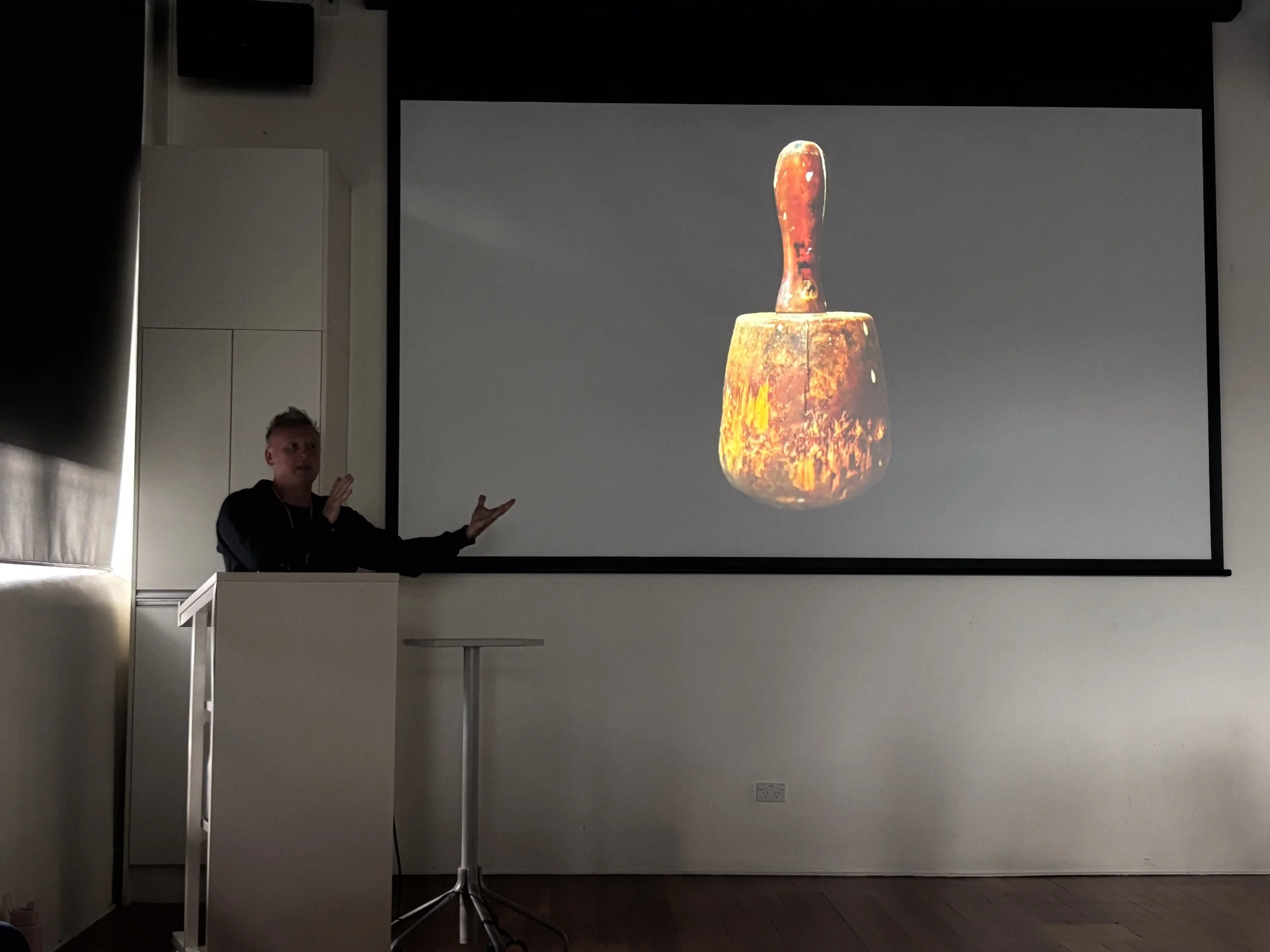
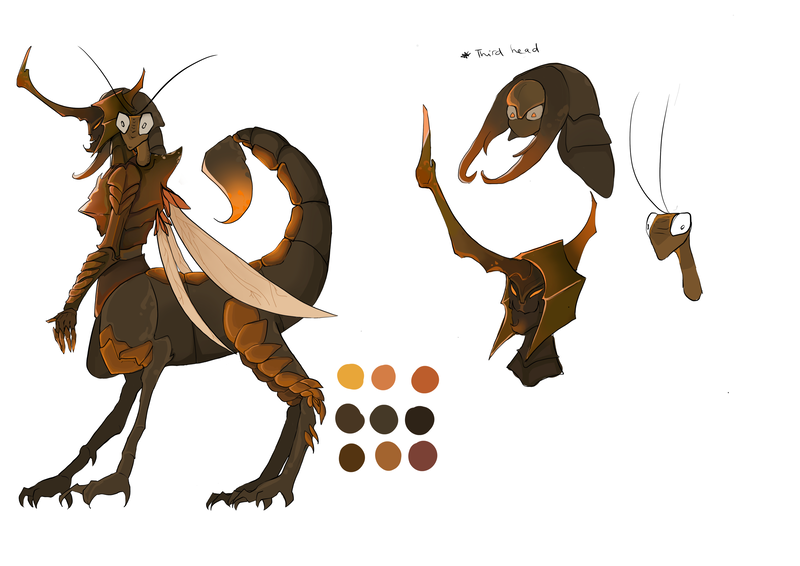
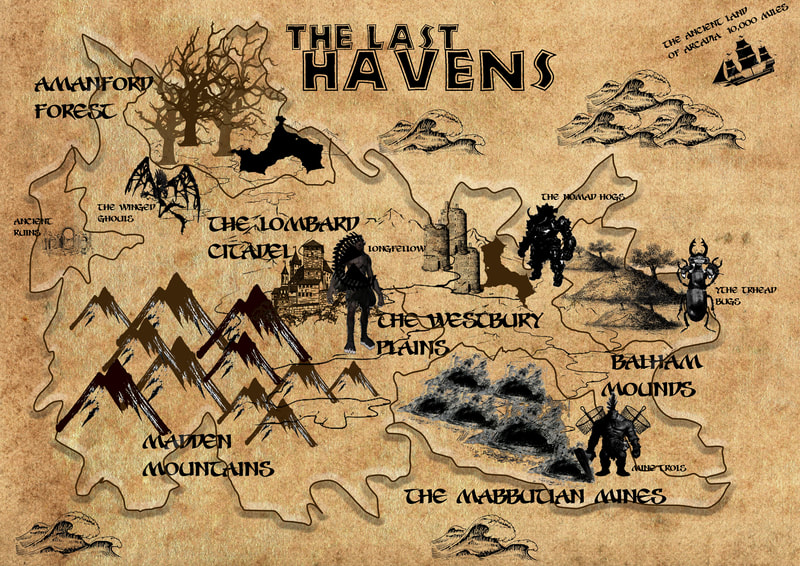
Sharing Practice
Alongside classroom teaching, I have contributed to the wider visual arts education community through conference presentations, professional development and the creation of teaching resources.

I have delivered six national conference presentations exploring contemporary approaches to visual arts education, digital technologies, animation and design.
Animation & Design Resources
I have developed visual guides, teaching resources and unit materials designed to make complex creative and digital processes accessible to both teachers and students.

These resources support educators in integrating contemporary design and technology into their own programmes while maintaining strong foundations in visual arts practice.
Thought Leadership & Creative Education
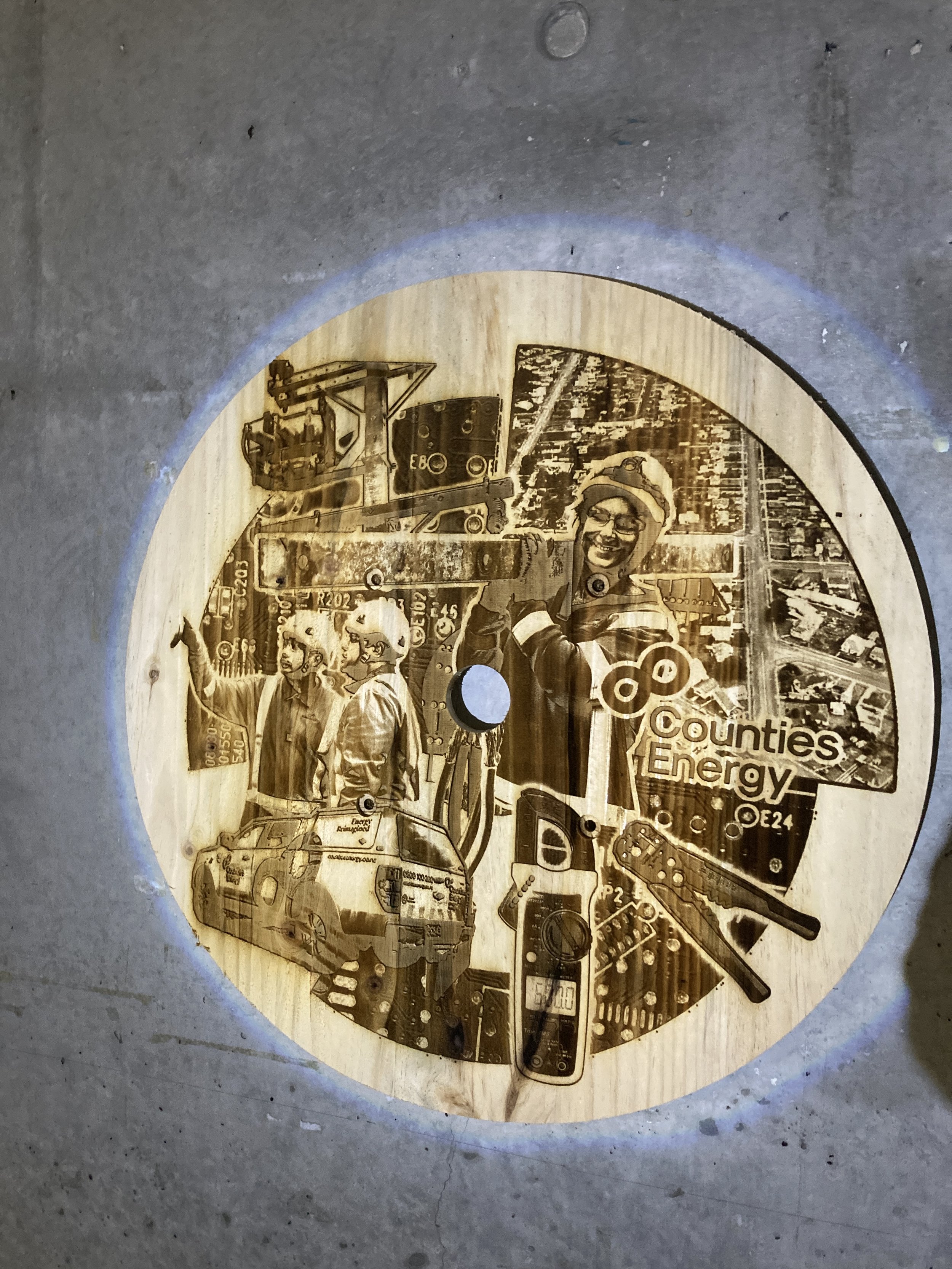
Masters Research — Interactive AR & Digital Archiving
My creative research explores the relationship between place, memory, technology and storytelling.

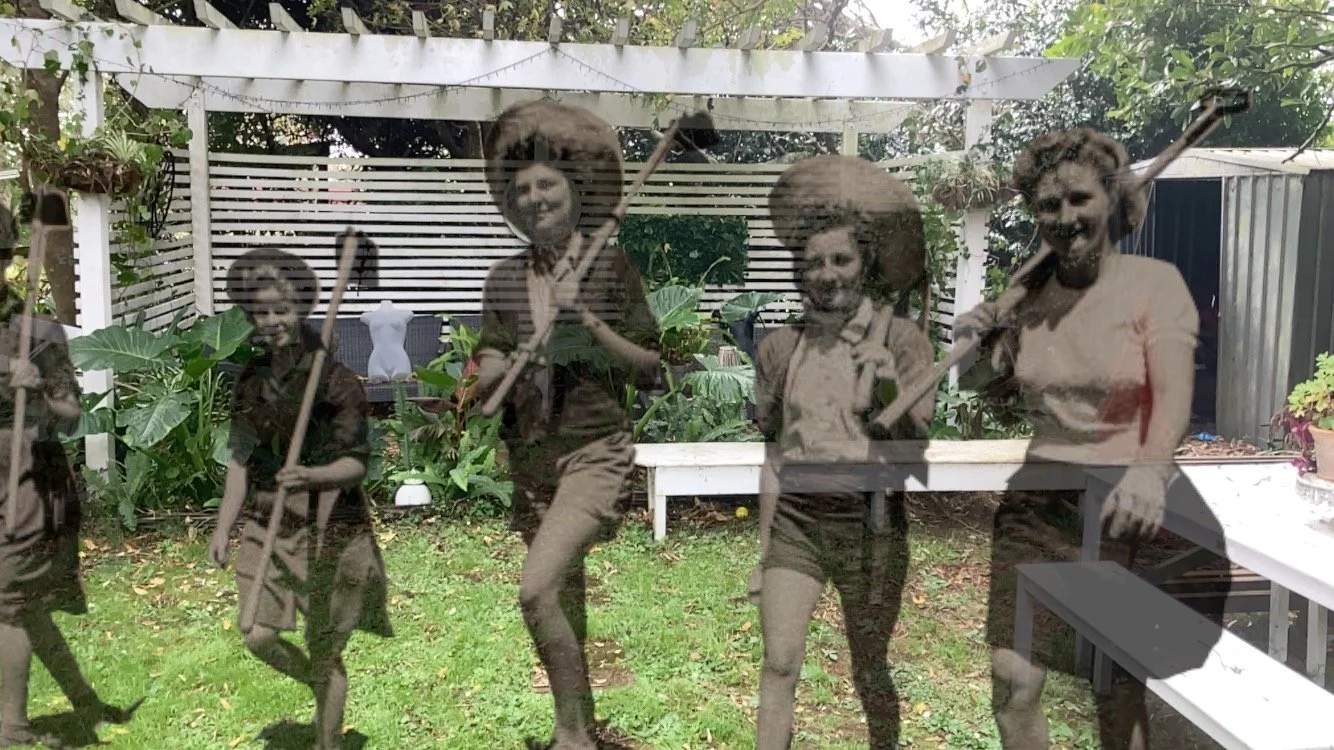
A key area of this research has been the use of augmented reality and interactive digital environments to document and reinterpret historic spaces, community stories and cultural histories.

Rather than simply preserving information, these projects explore how technology can allow audiences to experience, interact with and reconnect with place.

Digital Interactive Archives

Through digital archiving, historic public spaces and community narratives can be documented and presented through interactive experiences.

Projects combine research, photography, 3D modelling, spatial design, oral histories and augmented reality to create accessible digital records of places and stories.
Traditional & Documentary Arts
Storytelling Through Image, Film & Illustration
While technology is an important part of my practice, it remains grounded in the fundamental principles of observation, storytelling, visual communication and human connection.

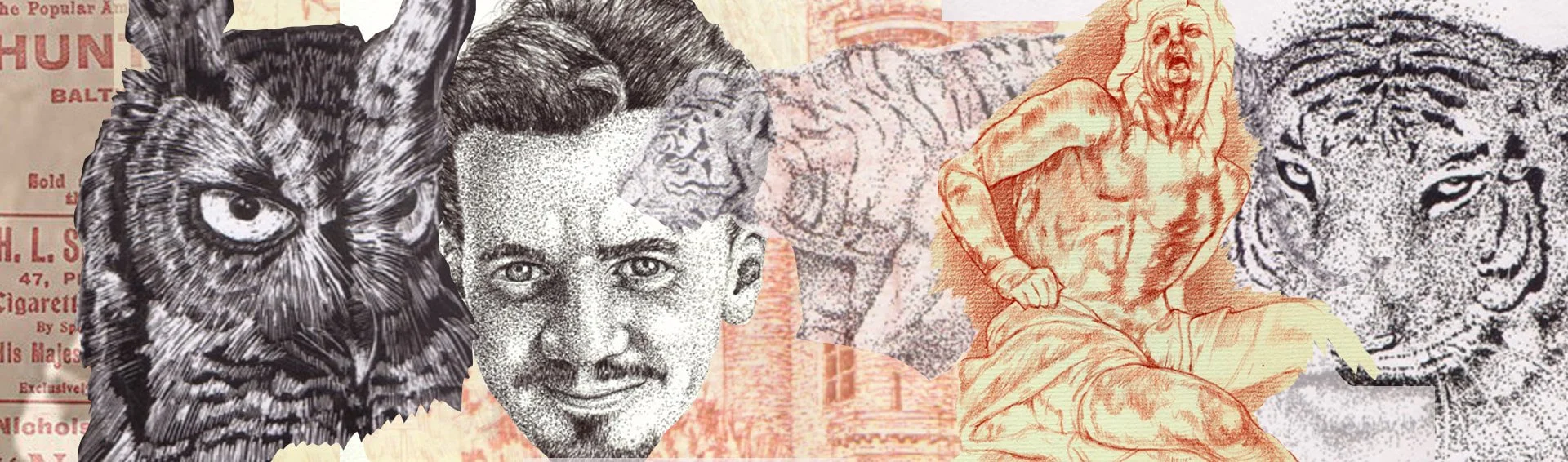
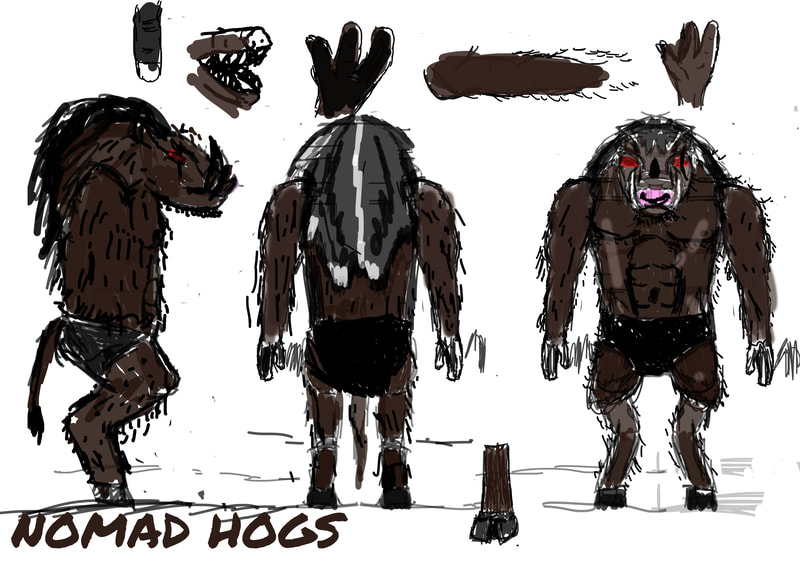
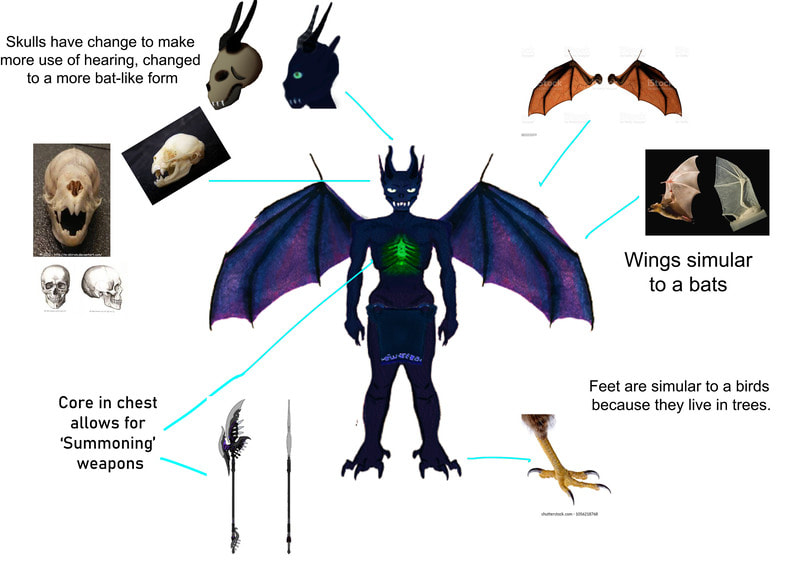
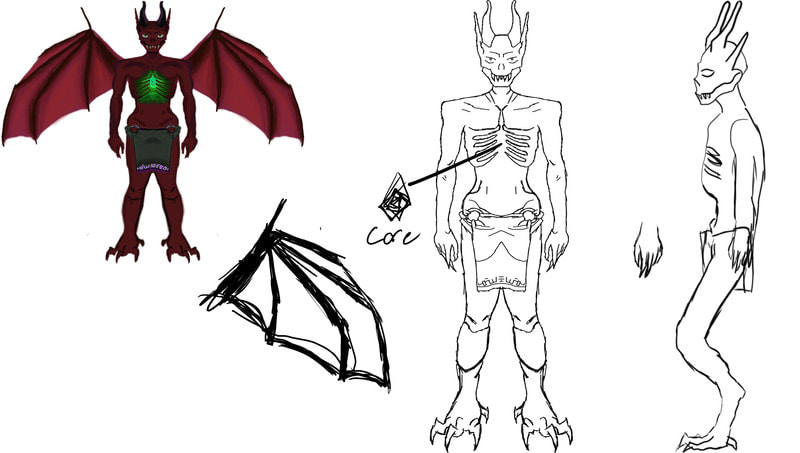
My creative work continues to explore documentary filmmaking, illustration, photography, community projects and collaborative art-making.

Documentary Film

Documentary filmmaking provides a way of recording people, places and stories while allowing audiences to experience them through a personal and visual lens.

This section presents selected documentary projects, including film stills, trailers and behind-the-scenes material, demonstrating the process from initial concept and research through to production and final edit.

Illustration & Community Practice

Collaboration and community engagement are central to my creative practice.

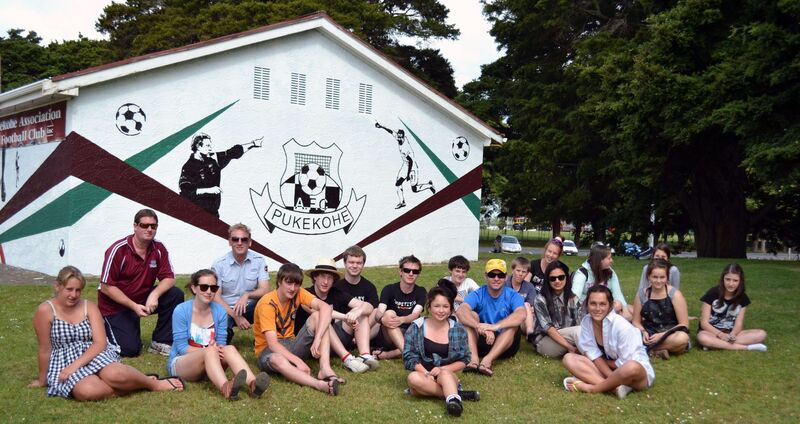
My work has included public murals, community art installations, illustration and collaborative creative projects, bringing together artists, students and wider communities to create work that reflects shared stories and identities.

These projects demonstrate the role of art beyond the classroom — as a tool for connection, identity, storytelling and community participation.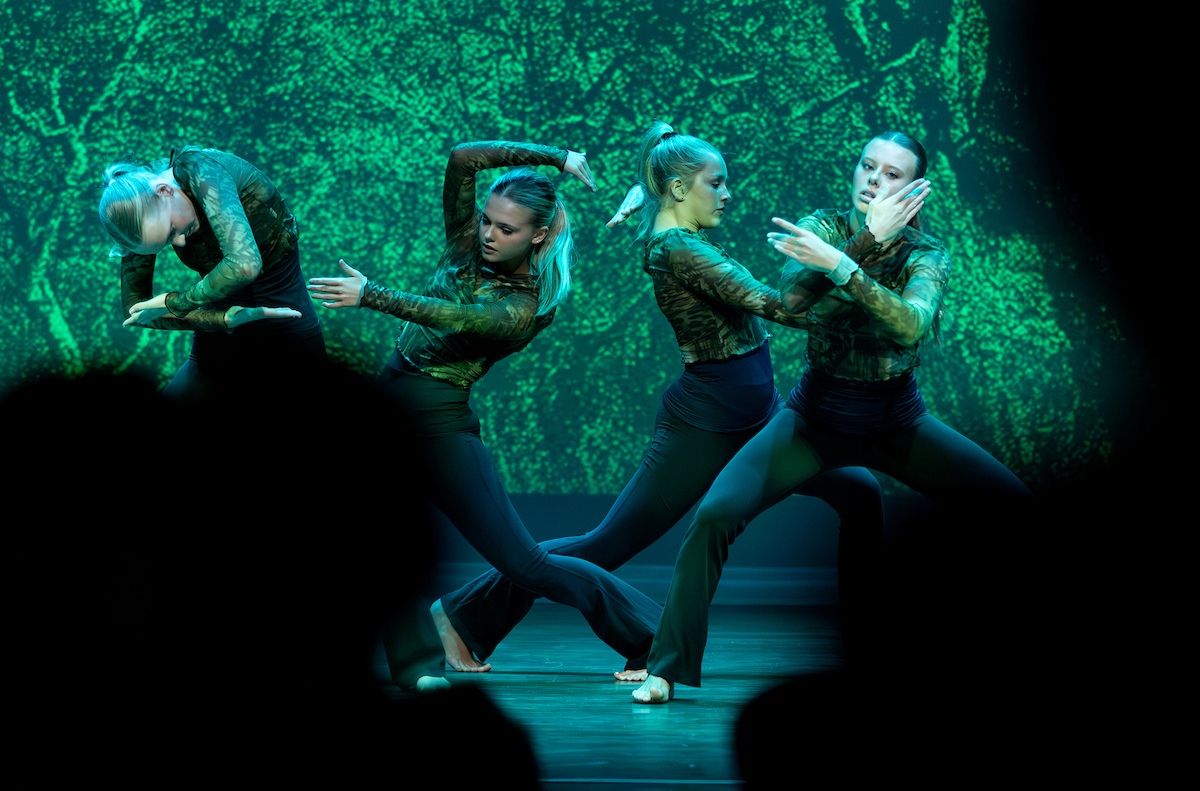
A Practice Built Around Possibility
Across teaching, research and personal creative practice, my work is driven by a simple belief: creative education should prepare young people not only to understand the world around them, but to imagine what it could become.

By combining traditional art disciplines with emerging technologies, I aim to create learning environments where students can experiment, collaborate and develop their own creative voice.

Whether through a painting, a film, a sculpture, an augmented reality experience or an immersive digital environment, the focus remains the same — to use creativity as a way of understanding people, places and ideas, and to give students the tools to communicate their own stories.