nicola pressnell
Creative Practice & Teaching Portfolio
Creative, Inclusive & Future-Focused Primary Practice
My teaching practice sits at the intersection of creative learning, evidence-informed pedagogy, inclusive education and community engagement.

With more than 13 years of experience in New Zealand primary education, I have predominantly worked with young learners in Years 0–2, developing strong foundations in literacy, numeracy, social development and independence. My practice is grounded in the belief that children learn best when they feel known, supported and empowered to be curious.

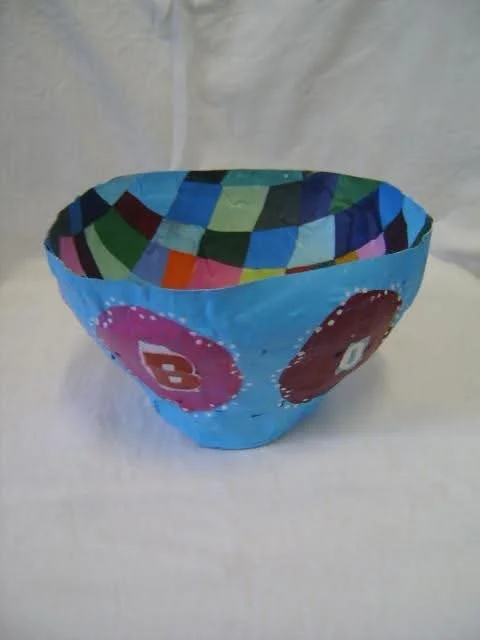
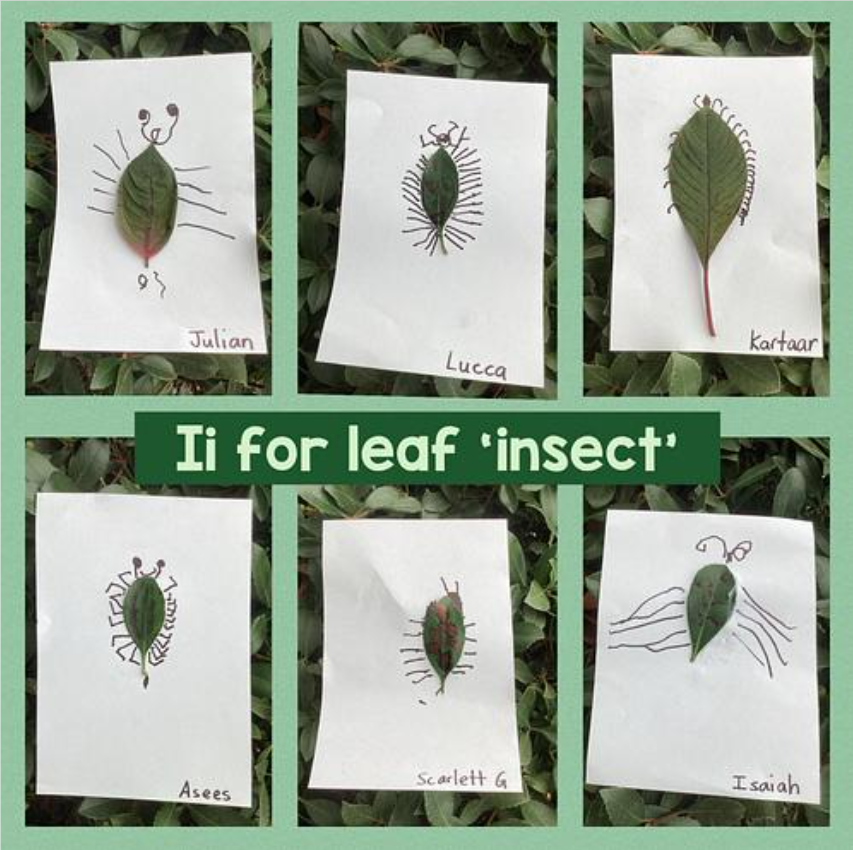
Alongside my classroom teaching, my background in Art & Design has continued to influence the way I approach learning. I use creativity, visual arts, play, inquiry and hands-on experiences to help young children make sense of the world and develop confidence as learners.

This portfolio brings together four connected areas of practice:

Pedagogy in Action | Creative Learning | Inclusive Practice | Community & Leadership

Together, they demonstrate my commitment to creating engaging learning environments where children can develop academically, socially and creatively.
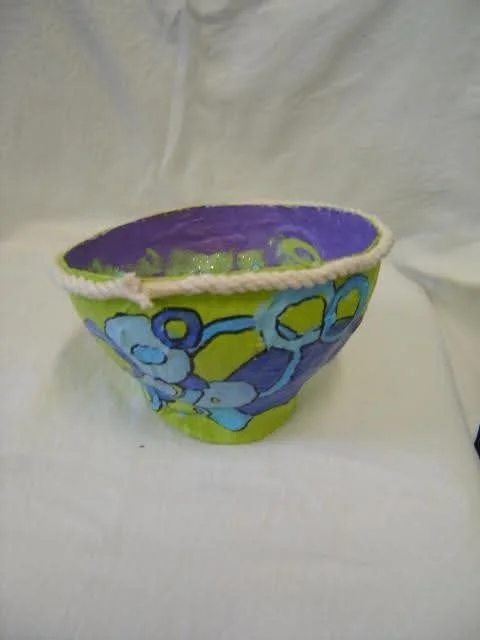
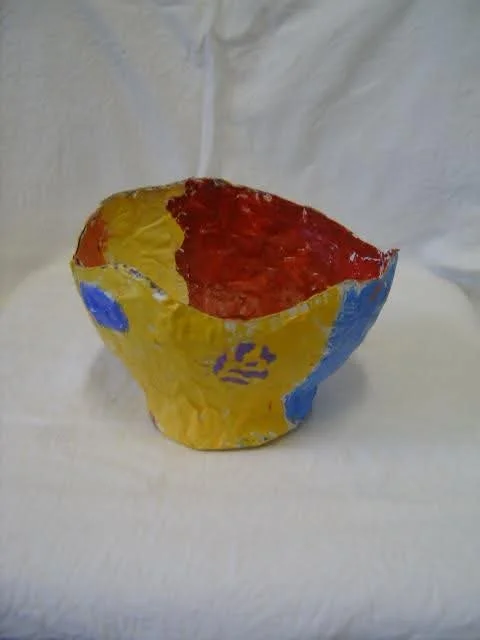
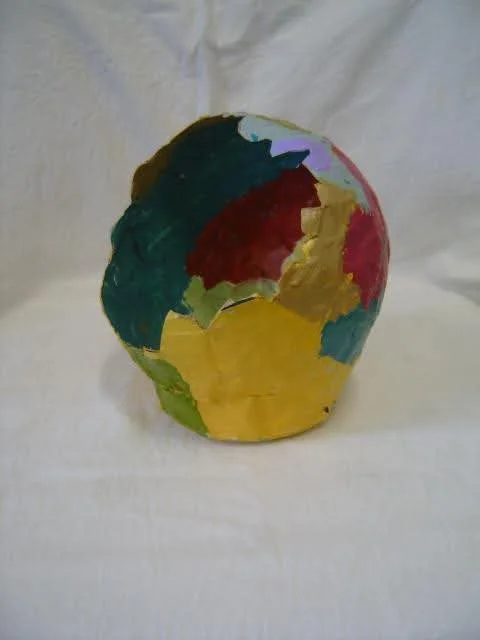
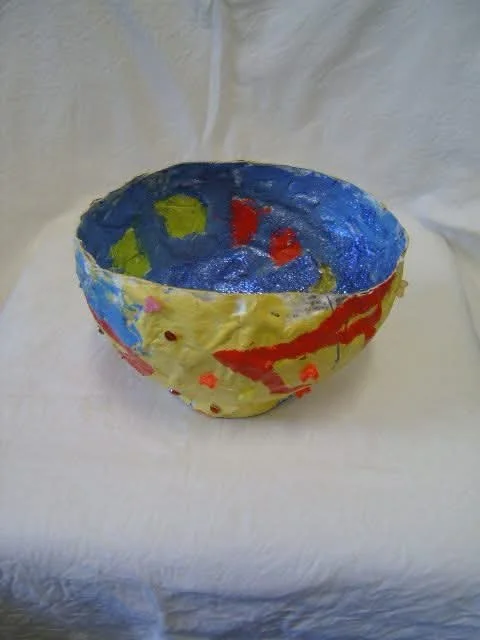
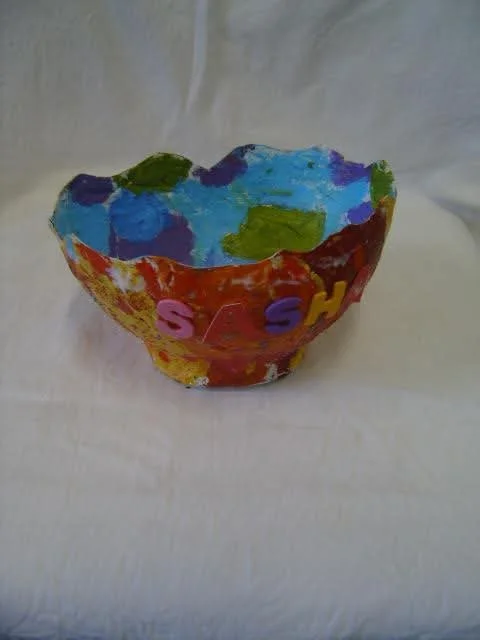
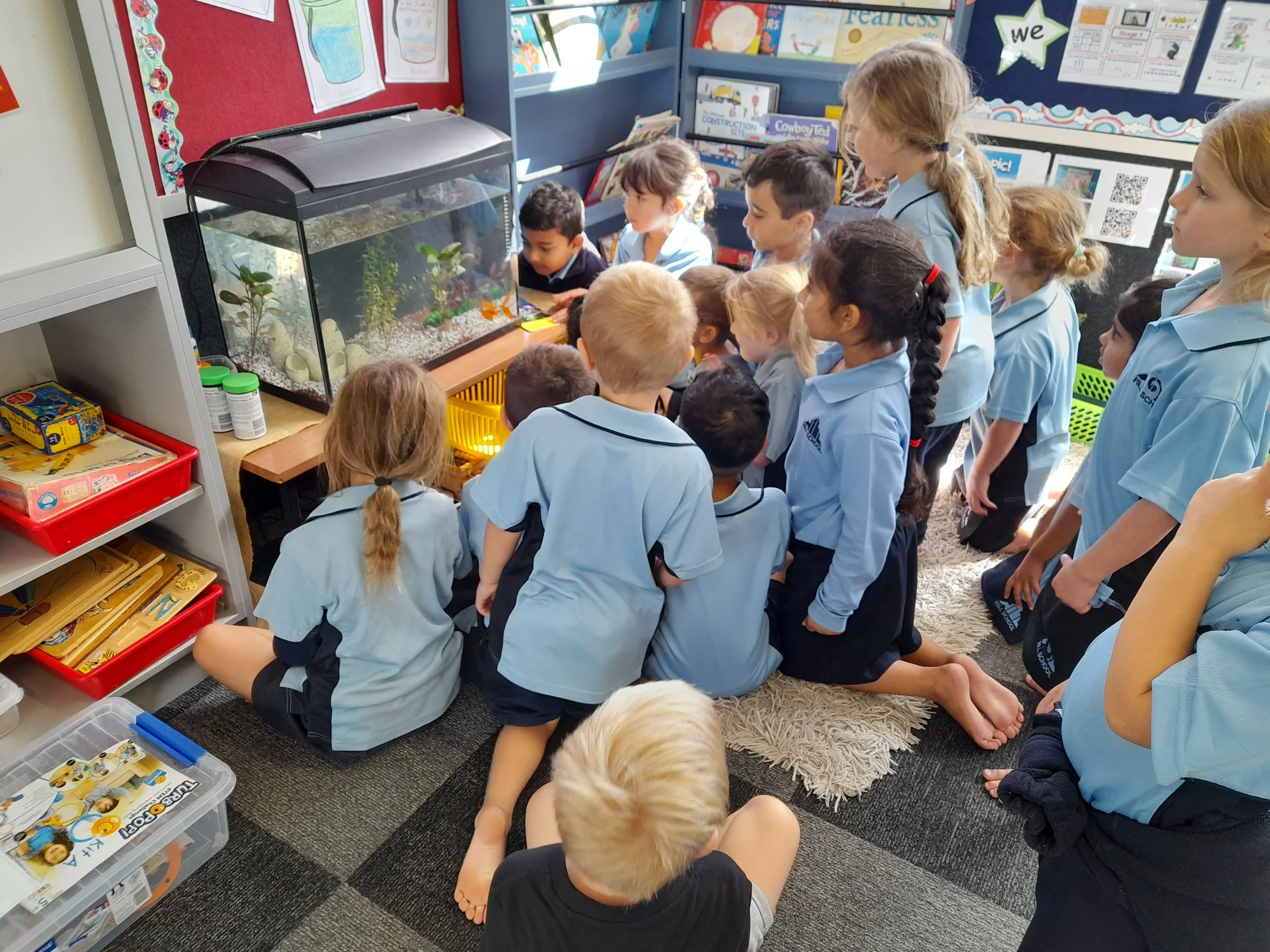
The Creative Classroom
I believe the primary classroom should be a place where children are encouraged to explore, experiment, ask questions and develop their own ideas.

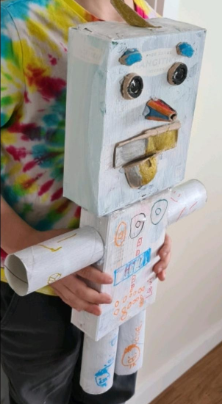
Working with young learners, I place particular importance on creating experiences that are purposeful while still allowing space for imagination and creativity. Play-based learning, visual arts, inquiry, movement and hands-on experiences provide opportunities for children to communicate, problem-solve and take ownership of their learning.

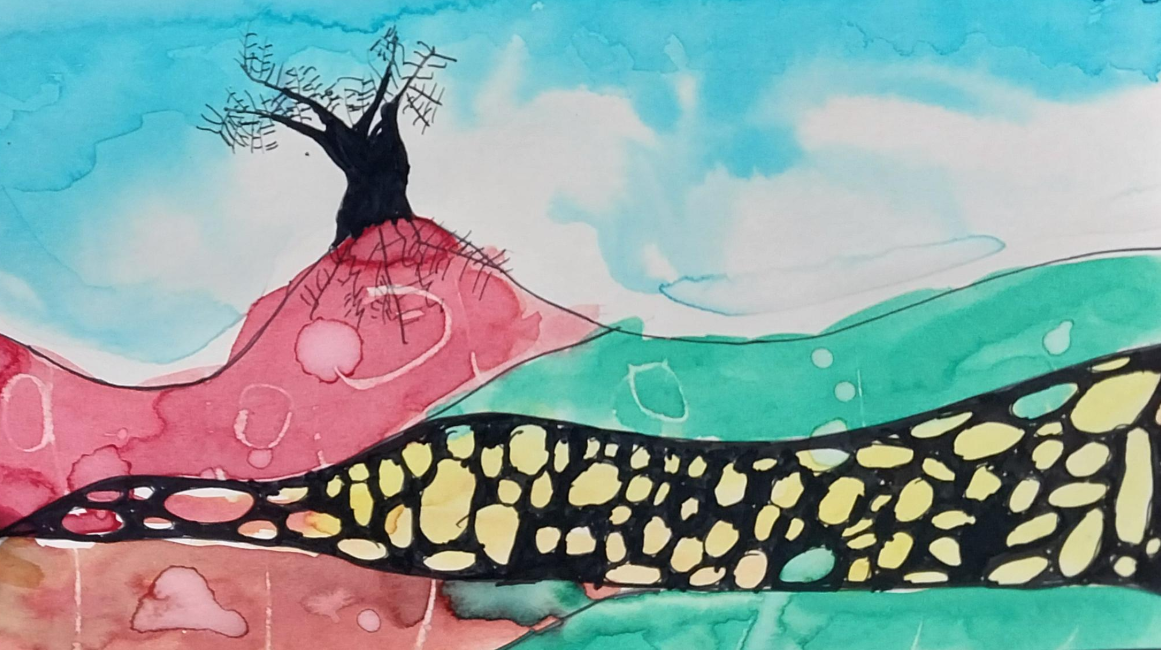
My background in Art & Design has strongly influenced this approach. Before moving into primary education, I trained in Art & Design and later taught Year 9 Visual Arts at Pukekohe High School, where I developed students' skills in printmaking, painting and observational drawing while encouraging personal expression and creative risk-taking.

In my primary practice, these same principles are adapted for younger learners — using creativity as a vehicle for exploration, communication and confidence.
Building Strong Foundations
My classroom practice is focused on giving young learners the strong foundations they need to become confident, independent learners.

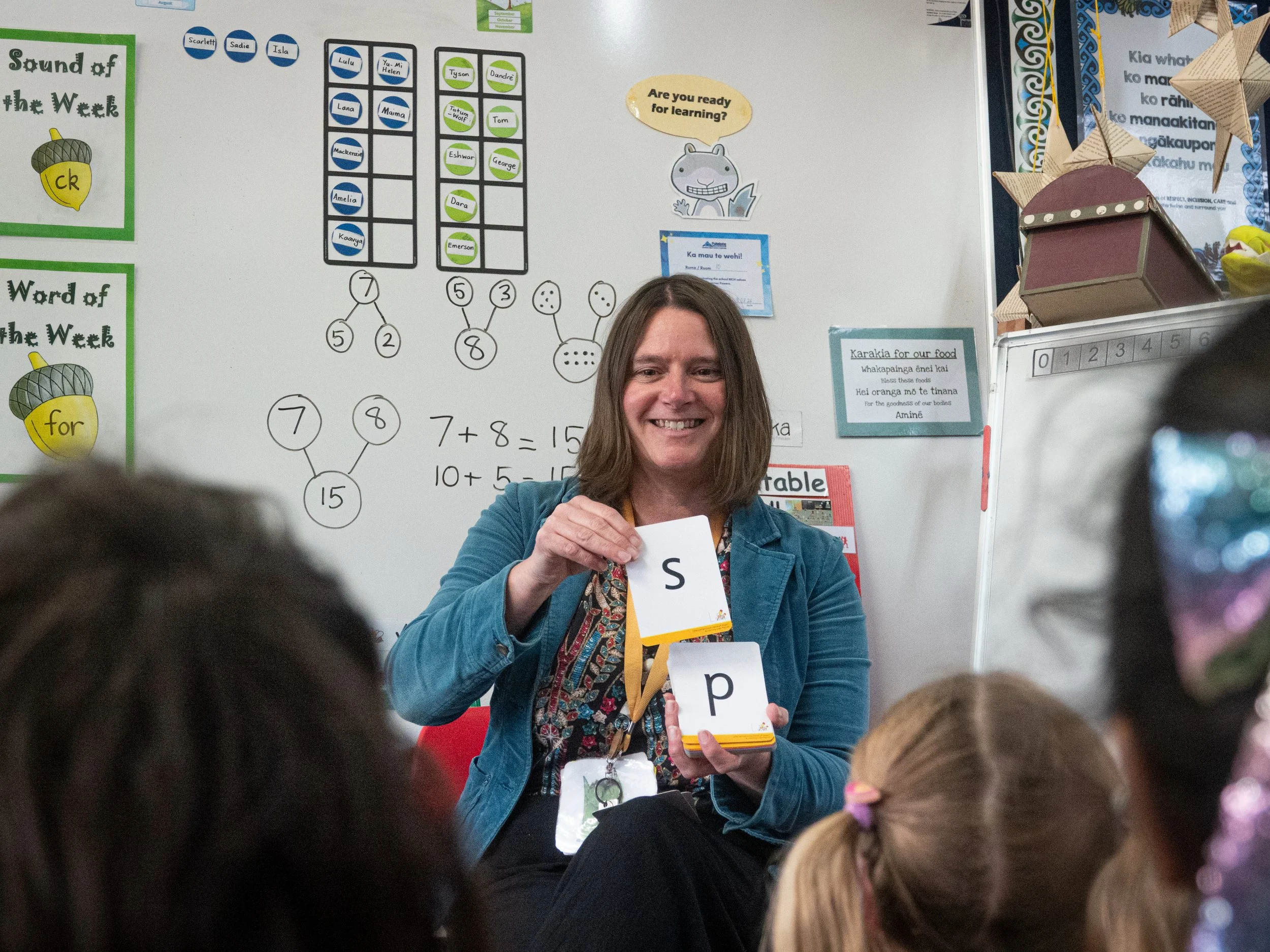
I use evidence-informed approaches across literacy and mathematics, including Structured Literacy, Little Learners Love Literacy, The Code for Spelling and Maths — No Problem!.

I particularly value the balance between explicit teaching and opportunities for children to apply their learning through play, inquiry and authentic experiences.

Literacy
Structured Literacy approaches provide a clear and systematic foundation for early reading, writing and spelling. I use assessment and ongoing observation to identify individual needs and adapt instruction accordingly.

Mathematics
Through Maths — No Problem!, I use a concrete-pictorial-abstract approach to develop mathematical understanding and problem-solving confidence.

Learning Through Play
Play remains an important part of learning in the early years. It provides opportunities for children to practise language, collaboration, problem-solving, creativity and independence in meaningful contexts.
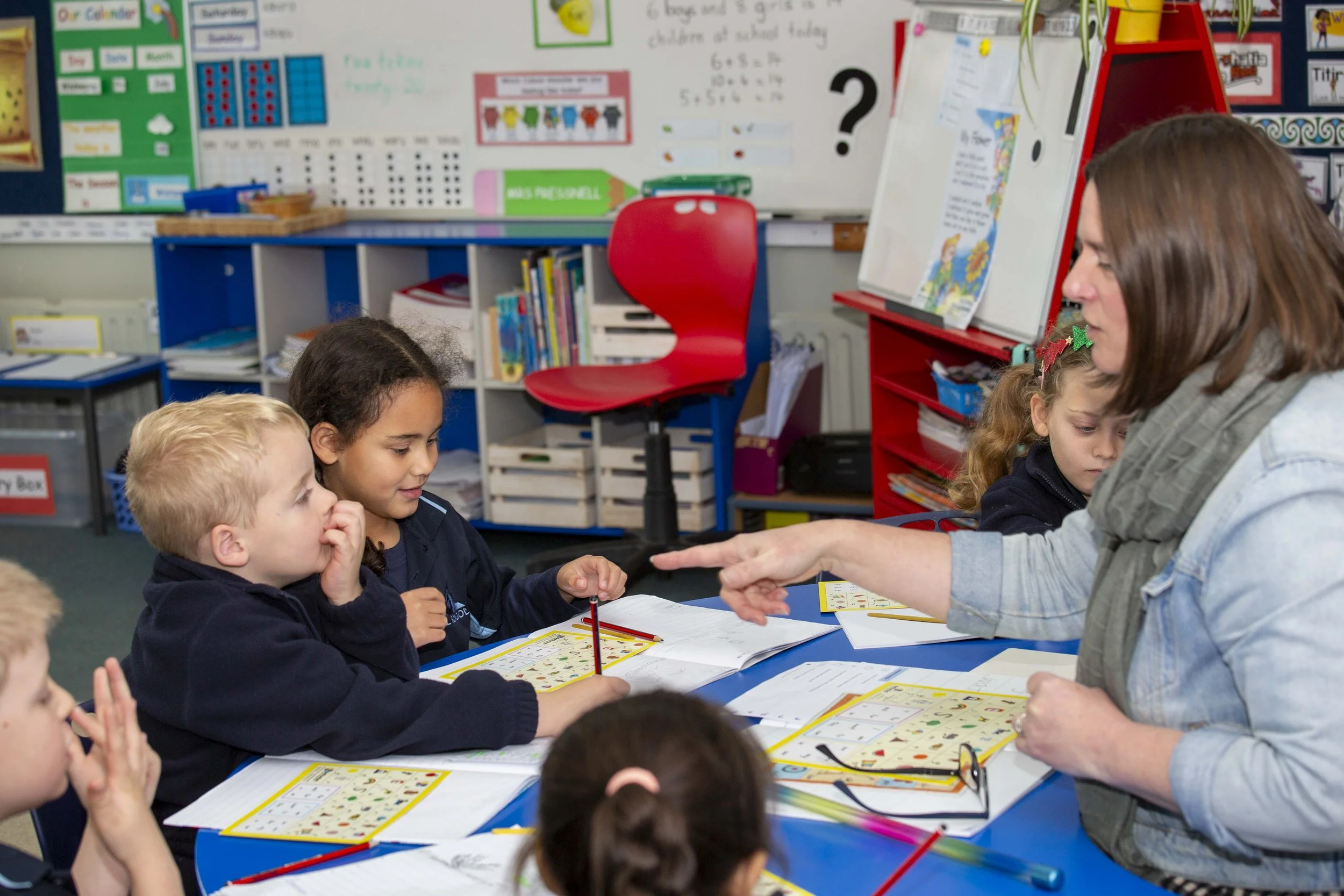
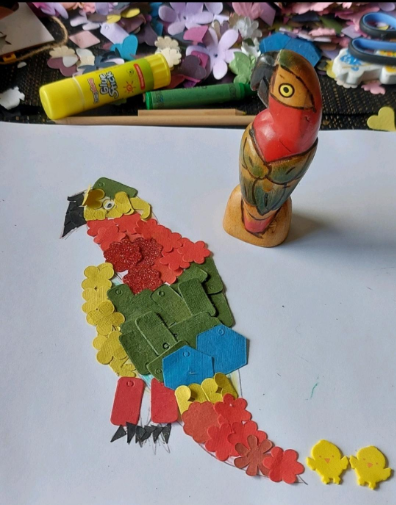
Inclusive Practice & Learner Wellbeing
Creating an inclusive classroom where every child feels valued and capable is central to my teaching philosophy.

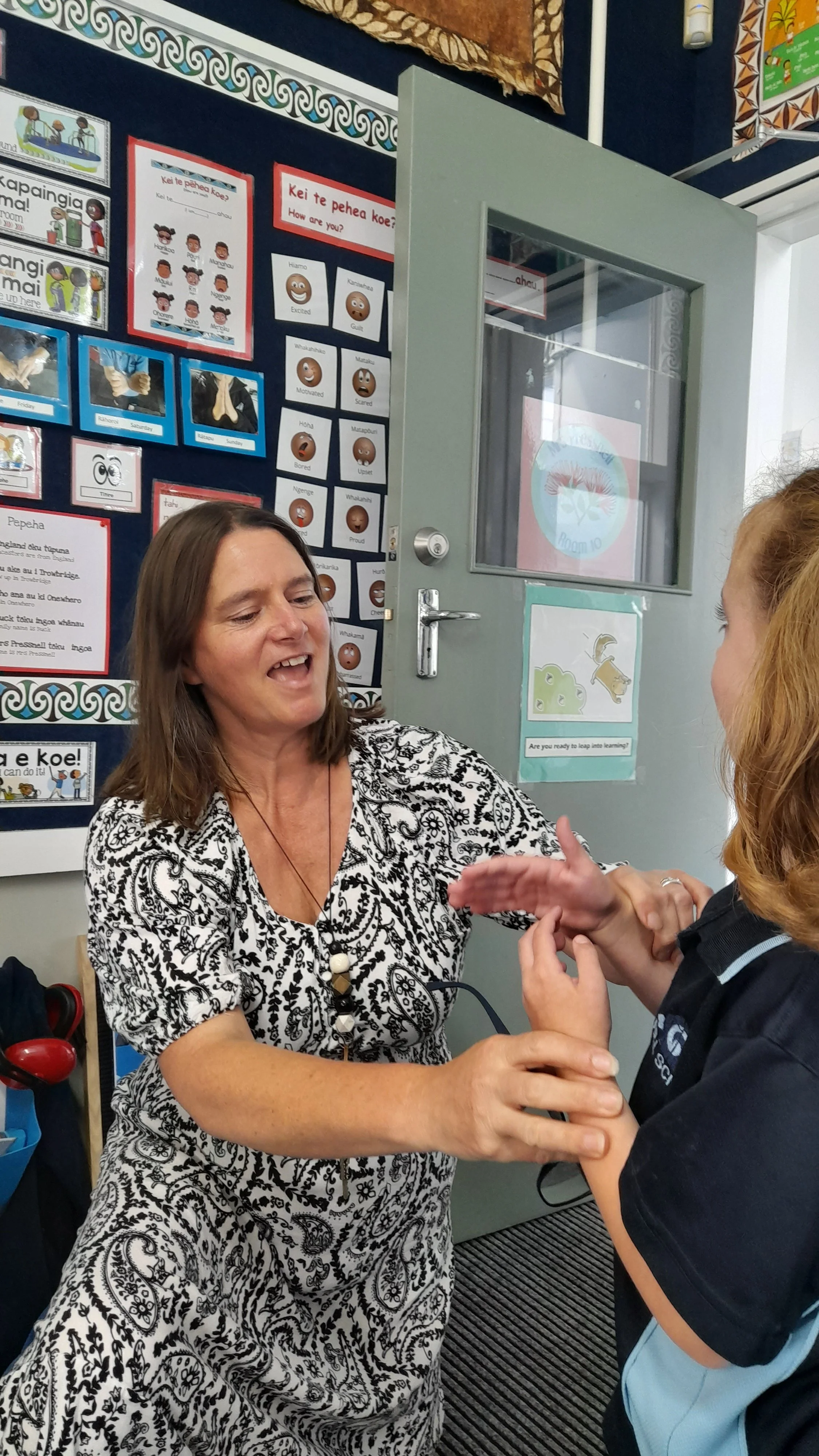
Throughout my career, I have supported learners with a range of developmental, learning and behavioural needs. I adapt teaching approaches, environments and expectations to respond to individual learners while maintaining high expectations for all.

My practice includes supporting neurodivergent learners, differentiated instruction, formative assessment and social-emotional learning.

Through programmes such as the Mitey programme, I explicitly support children's emotional wellbeing while developing the social skills and resilience they need to participate positively in school life.

I believe inclusion is not simply about adapting learning for individual children; it is about creating a classroom culture where differences are understood, relationships are valued and every learner has a genuine sense of belonging.
Creative Arts & Community Engagement
Creativity extends beyond the classroom.

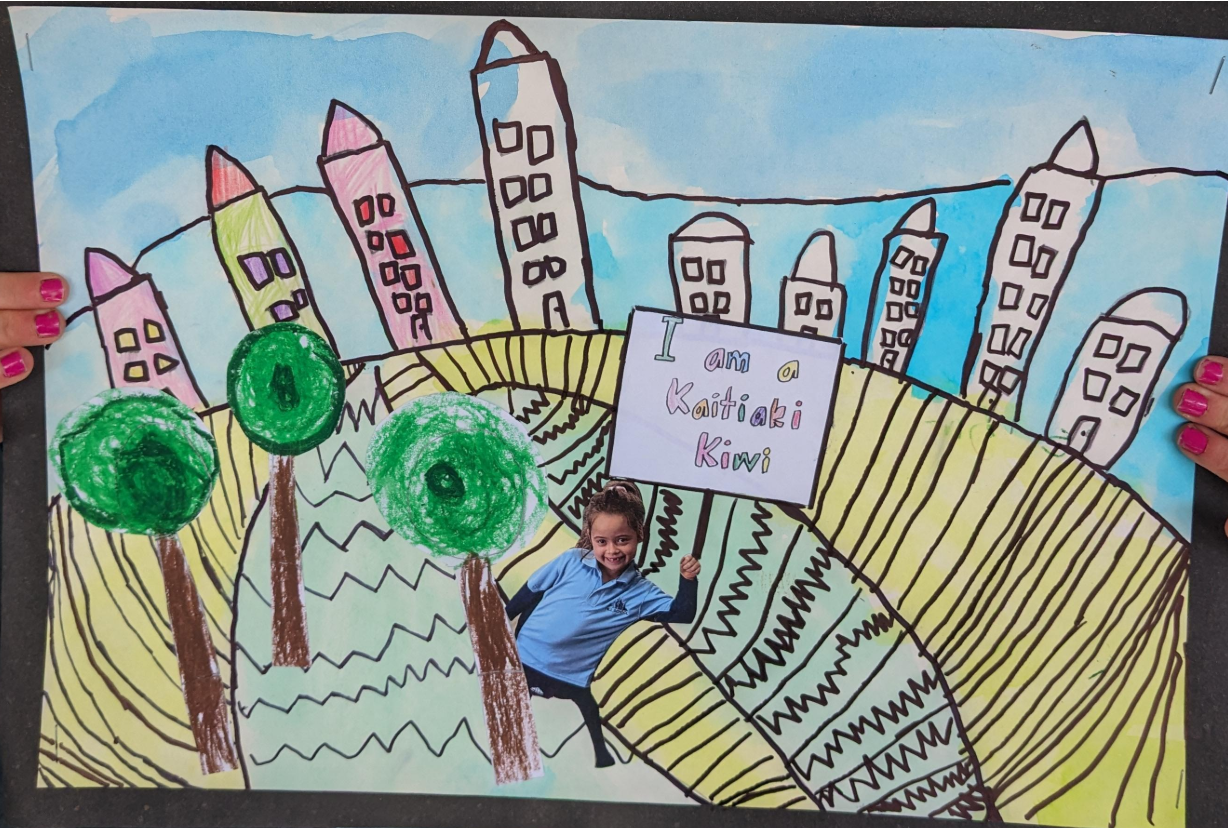
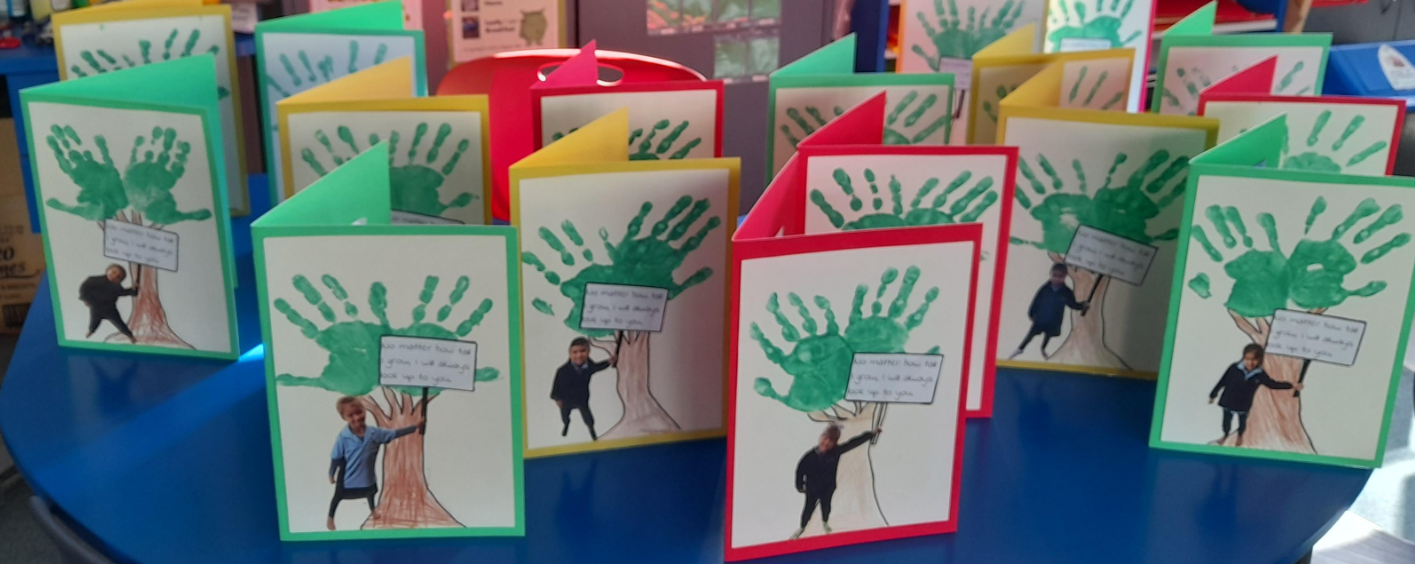
My background in Art & Design has provided a strong foundation for integrating visual arts and creative experiences into primary education. I see the arts as an important way for children to communicate ideas, explore identity and culture, develop confidence and connect with their wider community.

I believe education should reflect and respond to the communities in which children live. My teaching practice includes culturally responsive approaches and the integration of basic Te Reo Māori. I aim to create learning environments where children see their identities, experiences and communities reflected in the classroom. My involvement in community arts has further strengthened my understanding of the importance of relationships between schools, families and the wider community.

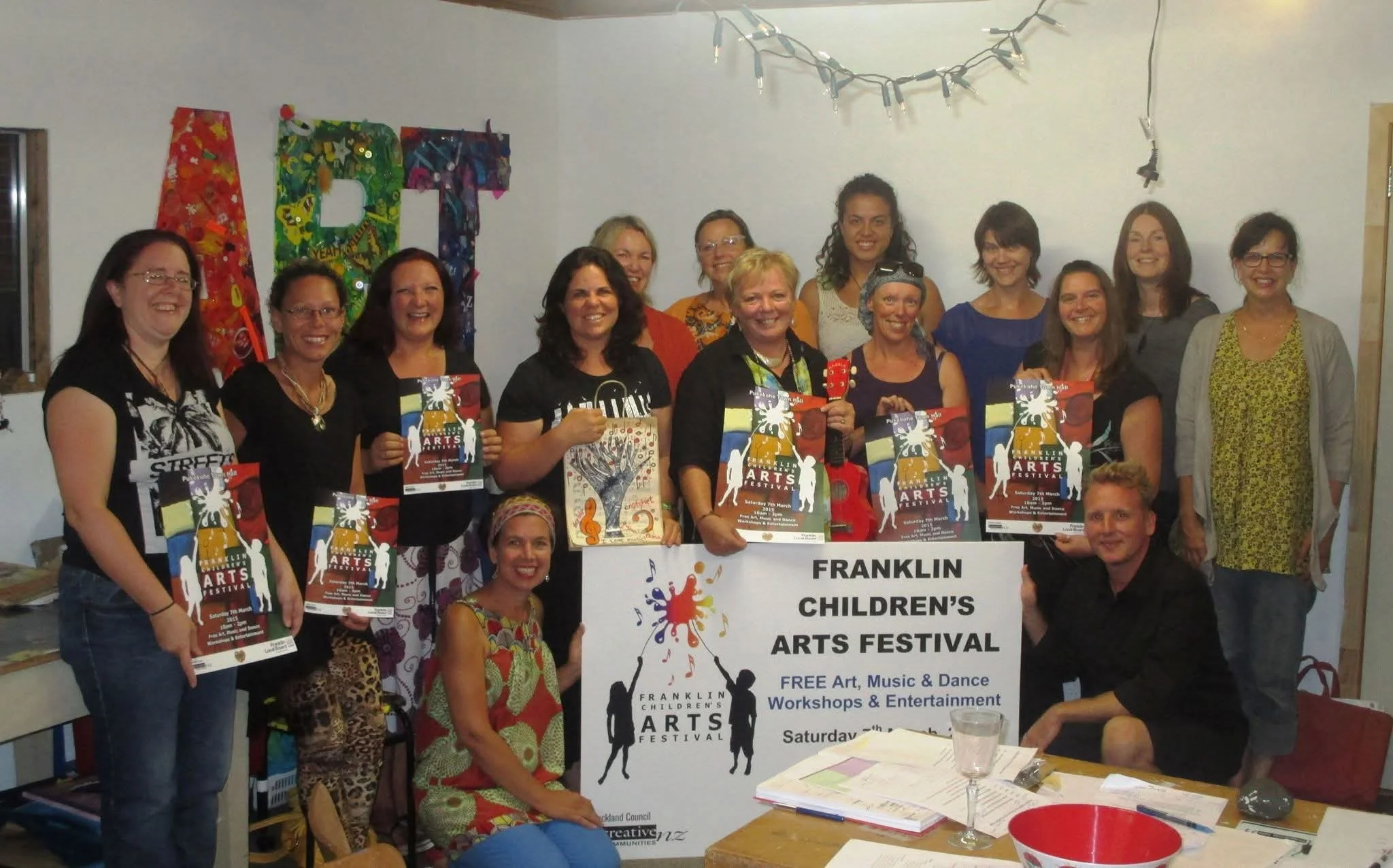
Alongside my teaching career, I have been involved in community-based creative projects, including helping to organise the Franklin Children's Arts Festival and working as an art tutor with Young at Art.

These experiences have reinforced my belief that children's creative development is strengthened when schools, families, artists and communities work together.

Franklin Children's Arts Festival

I was involved in helping organise the Franklin Children's Arts Festival, contributing to an event designed to provide children with opportunities to experience and participate in the arts within their local community.

Young at Art

Through my work tutoring art with Young at Art, I supported children to explore artistic processes, develop practical skills and express their own ideas through creative work.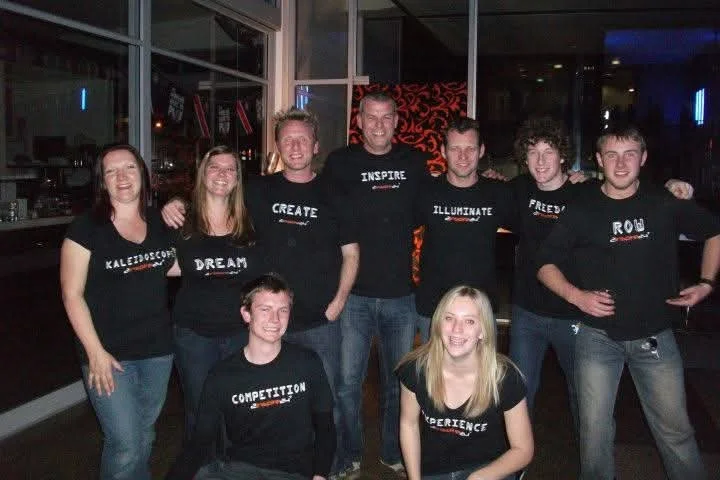
Senior Academic Practice & Student Outcomes
Developing Independence & Student Agency
One of my key goals as an early years teacher is to help children become increasingly independent learners.

In Years 0–2, this begins with small but significant steps — learning to manage materials, communicate needs, make choices, solve problems, work with others and take responsibility for learning.

I create structured environments where children understand expectations while also having opportunities to make decisions and develop their own ideas.

This connects strongly with my use of play-based learning, visual thinking and creative experiences. Rather than simply providing children with answers, I aim to create environments where they can investigate, make mistakes, try again and discover solutions for themselves.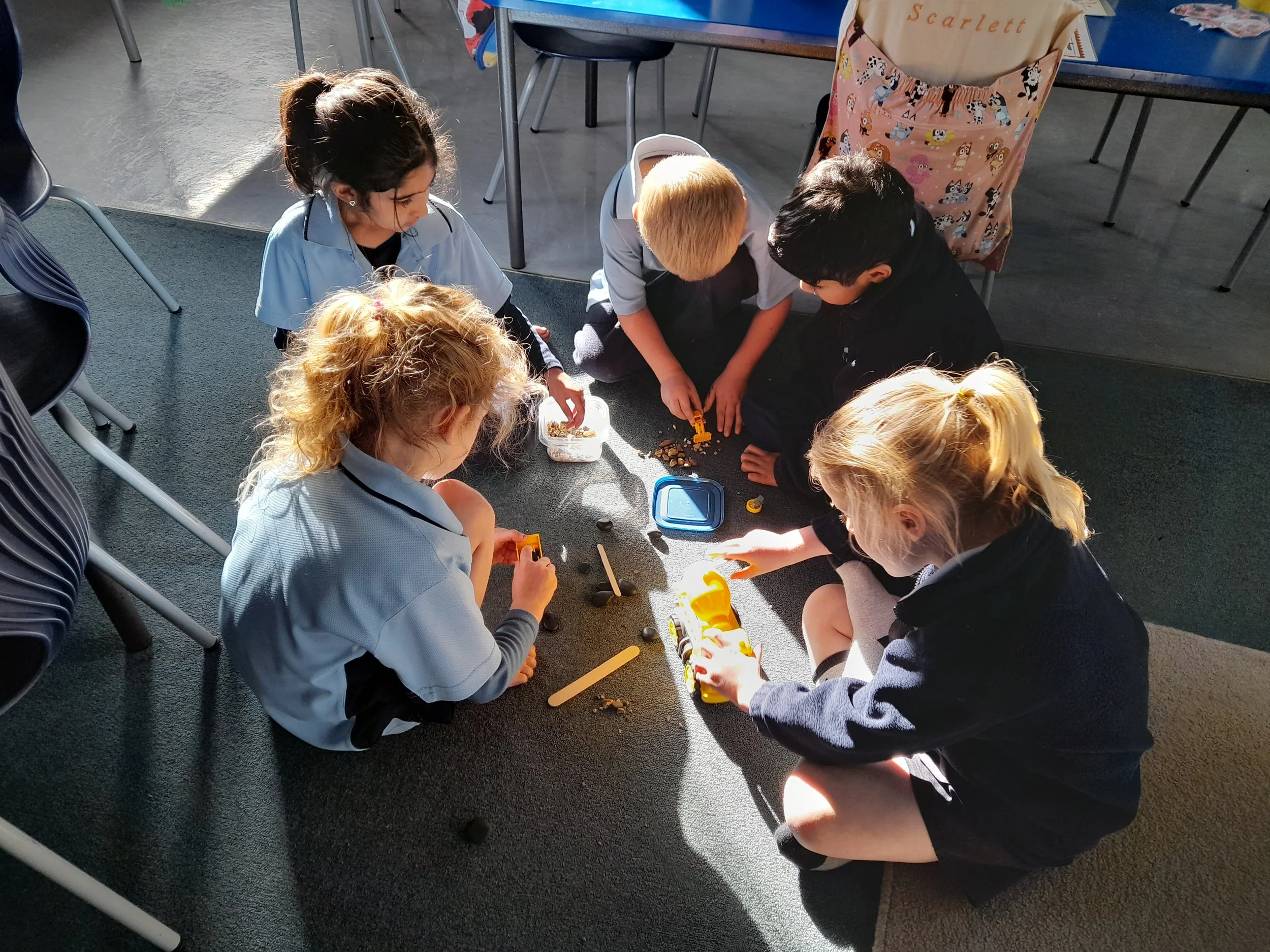
Leadership & Collaborative Practice
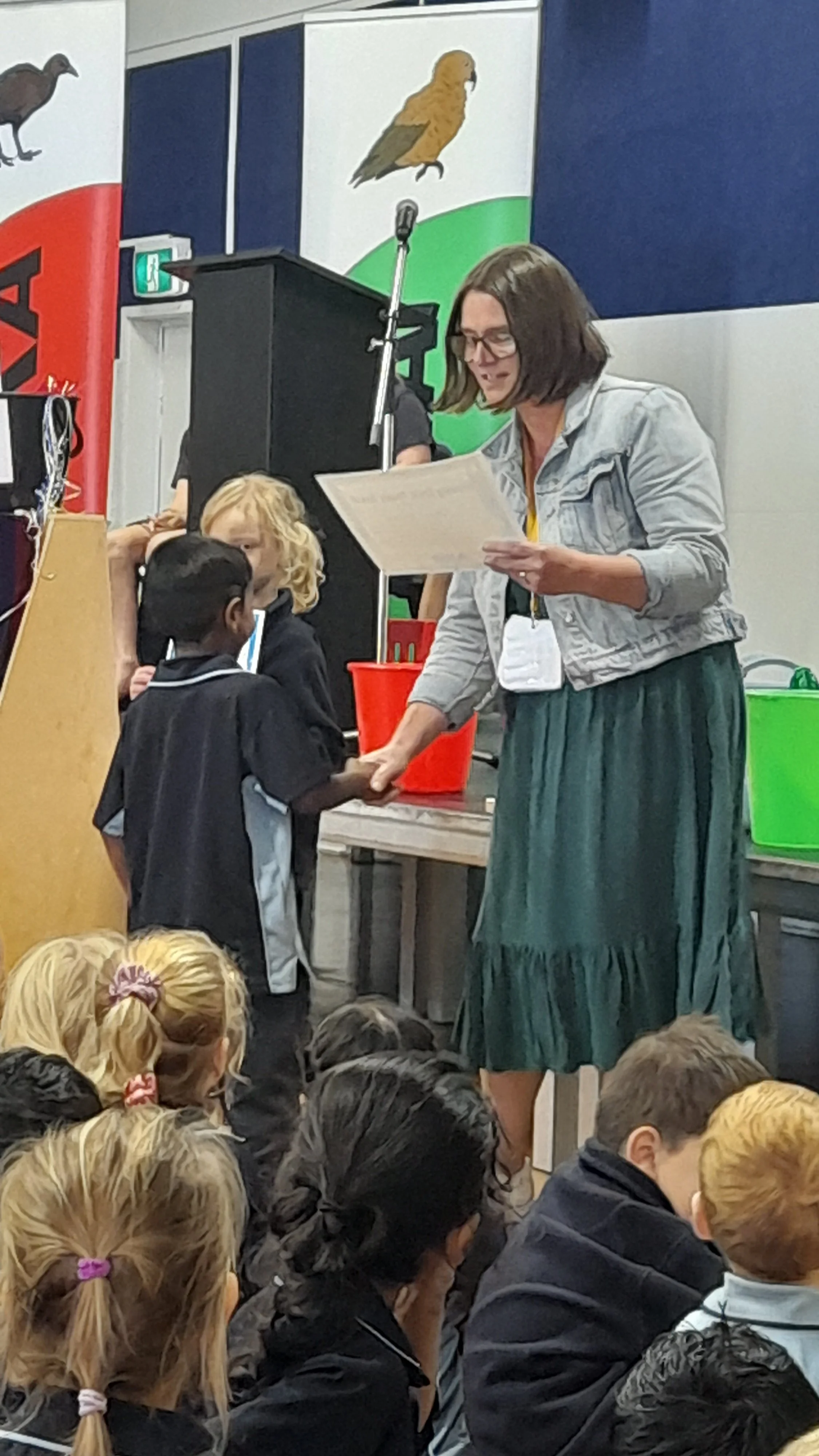
For the past three years, I have been part of the leadership of the Junior School at Pukekohe Hill School as Junior School Team Leader.

In this role, I have supported the Year 0–2 teaching team through strategic planning, curriculum alignment, collaborative assessment and professional discussion.

Leadership, for me, is fundamentally about collaboration. I value sharing ideas, supporting colleagues and creating consistency across a team while recognising the strengths and expertise that each teacher brings.

I have also supported colleagues in implementing evidence-informed approaches to literacy and numeracy, helping to build shared understanding and consistency across the junior school.
Thought Leadership & Creative Education
Learning Beyond the Classroom
Some of the most meaningful learning experiences happen outside the traditional classroom.

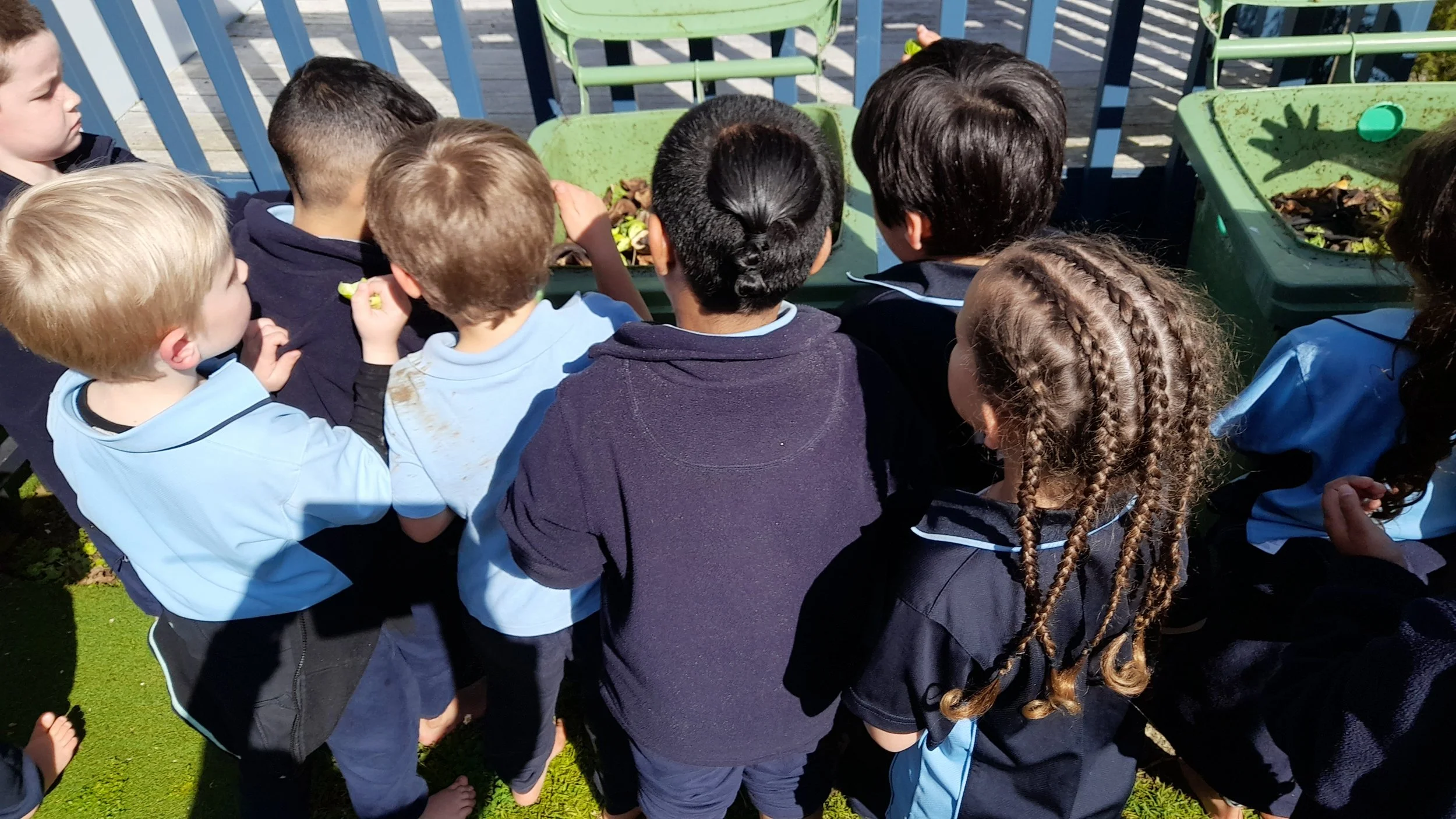
Through Education Outside the Classroom, environmental education and school-wide initiatives, I have provided opportunities for children to connect their learning with the real world.

As the school's Enviro Group Leader for three years, I supported students to develop an understanding of environmental responsibility and stewardship.

EOTC experiences similarly provide opportunities for children to develop independence, resilience and social skills while experiencing learning in different environments.

For young children especially, these experiences can transform abstract ideas into something tangible and memorable.
Thought Leadership & Creative Education
A Creative Approach to Primary Education
My practice has developed through the combination of three important influences: my background in Art & Design, my experience as a primary educator, and my involvement in the wider community.

These experiences have shaped my belief that effective primary education should provide both strong foundations and opportunities to create.

Children need explicit teaching, clear expectations and carefully structured learning. They also need opportunities to imagine, explore, question, create and connect their learning to the world around them.

My aim is to create classrooms where these approaches work together — where children develop the knowledge and skills they need while also becoming curious, confident and creative learners.